I. Introduction: Why the Person Matters
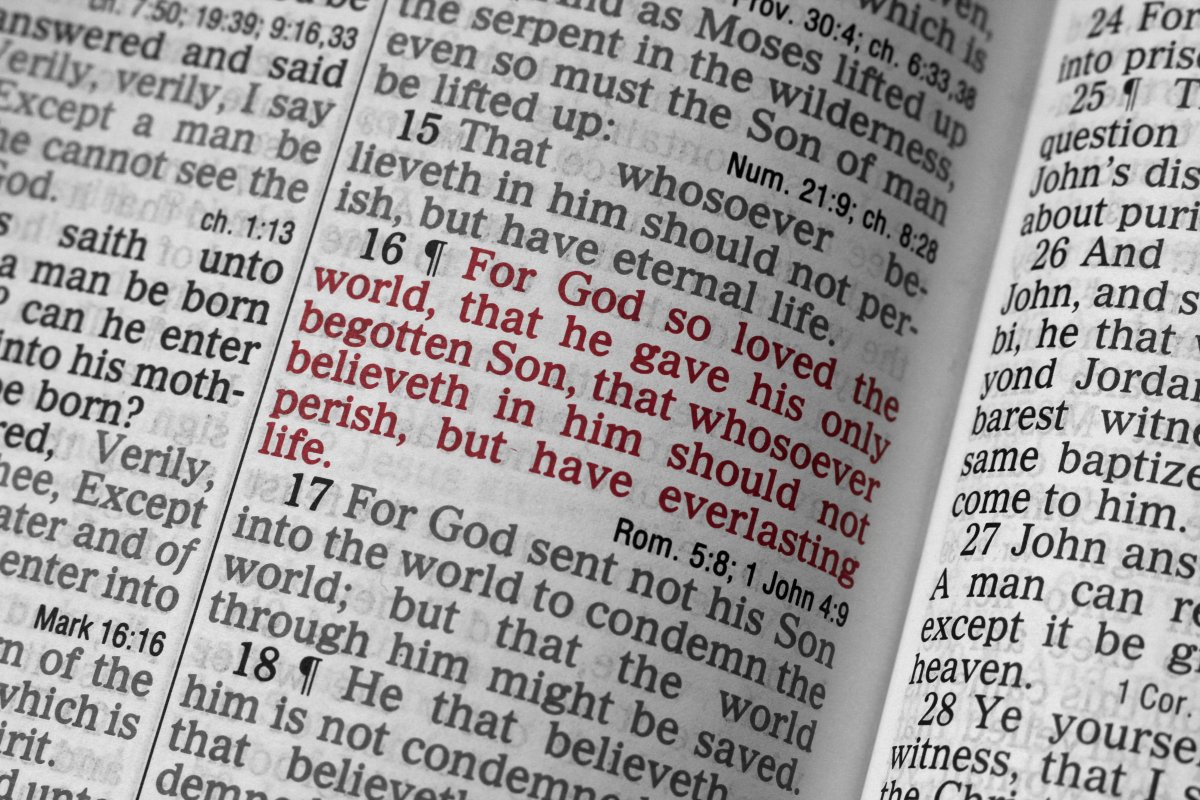
In an age that is happy to respect Jesus as a great moral teacher, the New Testament makes an exclusive and breathtaking claim: Jesus is the eternal Son of God, the Creator of the universe, and the sole Redeemer of mankind. To misunderstand His person is to misunderstand His work. If He is not who He claimed to be, His death is merely a tragedy, not a triumph. But if He is the divine Son, then His life, death, and resurrection carry infinite weight and eternal significance.
The early church fought fierce battles to defend the truth about who Jesus is. They concluded, based on the Scriptures, that He is one Person with two natures: fully God and fully man. This is not a philosophical abstraction; it is the bedrock of our salvation. Only a man could die in our place, representing humanity. Only God could die an infinite death, absorbing the wrath of God against all sin for all time for all who believe.
II. The Supremacy of the Son: Colossians 1:15-23
This passage is perhaps the most exalted Christological hymn in the New Testament. Paul's purpose is to establish the absolute preeminence of Christ over all creation and over the church.
Scripture Breakdown: Colossians 1:15-23 (NASB 1995)
Verse 15: "He is the image of the invisible God, the firstborn of all creation."
Analysis:
Image (Eikōn) of the Invisible God: This does not mean Jesus is a physical snapshot of the Father, for God is spirit (John 4:24). In Greek thought, an eikōn was a manifestation or representation that fully revealed the original. In the Old Testament, wisdom and glory were manifestations of God, but in Christ, the whole essence and nature of God are perfectly revealed. As Paul writes elsewhere, "in Him all the fullness of Deity dwells in bodily form" (Colossians 2:9). To see Jesus is to see the Father (John 14:9). He is the perfect, personal, visible revelation of the invisible God.
Firstborn (Prōtotokos) of All Creation: This phrase has been misunderstood by some to mean that Jesus was the first being God created. However, in both Jewish and Greco-Roman culture, "firstborn" was a title of rank and preeminence, not temporal origin. In Psalm 89:27, God says of David, "I also shall make him My firstborn, the highest of the kings of the earth." David was not the first king, nor was he God's first child. The title signifies his unique, exalted status. Here, it means Christ is supreme over all creation and the heir of all things. The following verses make it clear He is not part of creation; He is the agent of creation.
Verses 16-17: "For by Him all things were created, both in the heavens and on earth, visible and invisible, whether thrones or dominions or rulers or authorities—all things have been created through Him and for Him. He is before all things, and in Him all things hold together."
Analysis: Paul now gives the reason for Christ's preeminence: His role in creation.
Agent of Creation ("by Him"): The Greek preposition en can mean "by" or "in." Christ is the active agent through whom the Father created the universe (John 1:3; Hebrews 1:2).
Scope of Creation ("all things"): This is all-inclusive. It includes the material world ("heavens and earth") and the spiritual world ("invisible"). It includes every spiritual power ("thrones, dominions, rulers, authorities"), whether angelic or demonic. Christ created them all and is therefore sovereign over them all.
Purpose of Creation ("for Him"): All things were not only created through Him, but also for Him. He is the goal and purpose of all creation. History is moving toward His ultimate glorification.
Sustainer of Creation ("in Him all things hold together"): Christ is not a deistic clockmaker who wound up the universe and left it. He is the constant, active force that holds every atom, every galaxy, and every law of physics in existence. If He were to withdraw His sustaining power, all of reality would instantly cease to be. This speaks to His absolute, moment-by-moment sovereignty over the cosmos.
Verses 18-20: "He is also head of the body, the church; and He is the beginning, the firstborn from the dead, so that He Himself will come to have first place in everything. For it was the Father's good pleasure for all the fullness to dwell in Him, and through Him to reconcile all things to Himself, having made peace through the blood of His cross; through Him, I say, whether things on earth or things in heaven."
Analysis: Paul moves from Christ's relationship to creation to His relationship to the new creation: the church.
Head of the Church: As He is sovereign over the cosmos, He is the ruling, guiding, life-giving Head of His body, the church. The church derives its life, direction, and unity from Him alone.
Firstborn from the Dead: This repeats the theme of preeminence. Just as He is supreme over creation, He is also supreme over the new creation. His resurrection is the guarantee and pattern for the resurrection of all who belong to Him (1 Corinthians 15:20). He is the first in rank among all the resurrected ones.
All Fullness Dwell in Him: It pleased the Father that the totality of divine attributes, power, and essence should reside permanently in the Son.
Reconciliation Through the Cross: The purpose of His incarnation and work was reconciliation. Sin had created a rift between God and His creation. Through the "blood of His cross," Christ made peace. This does not mean all will be saved (universalism), but that the objective basis for peace has been laid. The enmity caused by sin has been dealt with. The offer of peace now goes out to all creation, and it is applied to all who believe.
III. The Radiance of God's Glory: Hebrews 1:1-4
The book of Hebrews opens with a majestic statement about the final and complete revelation of God in His Son.
Scripture Breakdown: Hebrews 1:1-4 (NASB 1995)
Verses 1-2: "God, after He spoke long ago to the fathers in the prophets in many portions and in many ways, in these last days has spoken to us in His Son, whom He appointed heir of all things, through whom also He made the world."
Analysis:
Progressive Revelation: In the Old Testament, God spoke in bits and pieces ("many portions") and through various methods ("many ways")—visions, dreams, laws, prophets. This revelation was true, but it was partial and preparatory.
Final Revelation in the Son: In "these last days" (the era of the Messiah inaugurated by His coming), God has spoken fully and finally "in His Son." Jesus is not just another prophet in a long line; He is the content and climax of all God has to say. To know the Son is to hear the final word of God.
Heir and Agent: As the Son, He is the appointed Heir of all things. All of creation rightly belongs to Him. Furthermore, He is the agent of creation ("through whom also He made the world"), confirming what we saw in Colossians.
Verses 3-4: "And He is the radiance of His glory and the exact representation of His nature, and upholds all things by the word of His power. When He had made purification of sins, He sat down at the right hand of the Majesty on high, having become as much better than the angels, as He has inherited a more excellent name than they."
Analysis: This verse is a dense, powerful summary of Christ's person and work.
Radiance of His Glory (Apaugasma tēs doxēs): Just as radiance beams forth from a source of light (like the sun) and is co-essential with it, so Christ is the effulgence, the outshining, of God's glory. He does not merely reflect God's glory (as a moon reflects the sun); He is the very glory of God streaming forth.
Exact Representation of His Nature (Charaktēr tēs hypostaseōs): This is a powerful term. Charaktēr was used for an engraving tool or a stamp that made an exact impression on a seal. The impression is not merely similar to the stamp; it is the precise replica. Jesus is the exact imprint, the perfect representation, of God's very being or substance (hypostasis). He is not like God; He is God, revealed in human form.
Upholds All Things: As in Colossians, He is the Sustainer, carrying all things forward toward their appointed goal.
Made Purification of Sins: Here is His work. Having described His divine nature, the author now describes His priestly work. He alone could accomplish the cleansing of our sins.
Sat Down: This is a detail of monumental significance. The priests of the Old Testament never sat down in the tabernacle or temple because their work was never finished. They stood daily offering sacrifices that could never truly take away sins (Hebrews 10:11). But when Jesus completed His one sacrifice, He "sat down" at the right hand of God. The sitting posture signifies a finished work. The battle is over; the sacrifice is accepted; the atonement is complete. His session at God's right hand is the place of ultimate authority and honor, far above all angels, proving His superiority over the old covenant.
IV. The Once-for-All Sacrifice: Hebrews 9:11-15, 24-28
The central argument of Hebrews is that Jesus is a superior High Priest who offers a superior sacrifice in a superior sanctuary. This passage contrasts the old covenant rituals with the new covenant reality in Christ.
Scripture Breakdown: Hebrews 9:11-15 (NASB 1995)
Verses 11-12: "But when Christ appeared as a high priest of the good things to come, He entered through the greater and more perfect tabernacle, not made with hands, that is to say, not of this creation; and not through the blood of goats and calves, but through His own blood, He entered the holy place once for all, having obtained eternal redemption."
Analysis:
Superior Sanctuary: He did not minister in an earthly, man-made copy, but in the very presence of God in heaven.
Superior Sacrifice: He did not offer the blood of animals, which could only provide external, ceremonial cleansing. He offered "His own blood."
Superior Result:
Once for All (Ephapax): His sacrifice was singular, complete, and never to be repeated. It stands alone in history as the sufficient payment for sin.
Eternal Redemption: The Old Testament sacrifices provided a temporary covering and needed to be repeated annually. Christ's sacrifice secured a redemption that is eternal. It deals with the past (guilt), present (power), and future (presence) of sin forever. The word "redemption" (lytrōsis) means "setting free by paying a ransom." The ransom price was His life, and the result is our eternal freedom.
Verses 13-14: "For if the blood of goats and bulls and the ashes of a heifer sprinkling those who have been defiled sanctify for the cleansing of the flesh, how much more will the blood of Christ, who through the eternal Spirit offered Himself without blemish to God, cleanse your conscience from dead works to serve the living God?"
Analysis: This is an argument from the lesser to the greater (a standard rabbinical argument of "how much more").
The Lesser: The old covenant sacrifices could achieve a degree of ritual purity ("cleansing of the flesh").
The Greater: If that was true, then "how much more" does the blood of Christ achieve? His blood does not just cleanse the outside; it cleanses the "conscience." It deals with the inner defilement of guilt, shame, and the awareness of sin that separates us from a holy God. It purges us from "dead works"—not just sinful deeds, but even our best religious efforts that are done in the flesh and cannot save us—so that we are made alive and free to "serve the living God."
Verses 24-28: "For Christ did not enter a holy place made with hands, a mere copy of the true one, but into heaven itself, now to appear in the presence of God for us; nor was it that He would offer Himself often, as the high priest enters the holy place year by year with blood that is not his own. Otherwise, He would have needed to suffer often since the foundation of the world; but now once at the consummation of the ages He has been manifested to put away sin by the sacrifice of Himself. And inasmuch as it is appointed for men to die once and after this comes judgment, so Christ also, having been offered once to bear the sins of many, will appear a second time for salvation without reference to sin, to those who eagerly await Him."
Analysis:
Present Intercession (v. 24): Christ is not just a historical figure; He is a living Priest who appears "in the presence of God for us." He is there as our representative, our advocate (1 John 2:1).
Finality of the Sacrifice (vv. 25-26): The repetition of the old covenant sacrifices proved their insufficiency. Christ's single sacrifice "at the consummation of the ages" (the pivotal moment in redemptive history) was sufficient to "put away sin." He dealt with sin as a completed reality.
The Two Appearings (vv. 27-28): This verse draws a parallel between human destiny and Christ's work.
First Appearing: He appeared "to bear the sins of many," a direct reference to the Suffering Servant of Isaiah 53:12. He carried our sins to the cross.
Second Appearing: He will appear again. But this time, it will not be to deal with sin ("without reference to sin"), because the sin issue has been settled. He will come for "salvation"—the final, completed salvation of our bodies and our full entry into glory. This appearing is specifically for "those who eagerly await Him," a description of true believers who live in hopeful anticipation of His return.
V. The Self-Emptying Servant: Philippians 2:5-11
This profound passage, often called the Carmen Christi ("Hymn of Christ"), describes the cosmic arc of Christ's humiliation and exaltation. It is the ultimate example of humility and the ultimate revelation of His glory.
Scripture Breakdown: Philippians 2:5-11 (NASB 1995)
Verse 5: "Have this attitude in yourselves which was also in Christ Jesus."
Analysis: Paul introduces the passage with a call to imitation. The life of the believer is to be patterned after the life of Christ. The doctrine of who Christ is and what He did is the foundation for Christian ethics.
Verses 6-7: "who, although He existed in the form of God, did not regard equality with God a thing to be grasped, but emptied Himself, taking the form of a bond-servant, and being made in the likeness of men."
Analysis:
Pre-existence ("existed in the form of God"): Before His incarnation, Christ was in the "form" (morphē) of God. This word means the essential, unchanging nature and attributes of God. He was and is fully divine.
Not a Thing to be Grasped: The phrase "a thing to be grasped" (harpagmos) is debated, but the best understanding is that He did not consider His equality with God as something to be exploited for His own advantage or clung to selfishly. He did not hold onto His divine privileges and glory.
Emptied Himself (Ekenōsen): This is the great "kenosis." He did not empty Himself of His deity (He was always fully God), but He emptied Himself of the independent exercise of His divine glory and prerogatives. He set aside His divine rights and took on a new mode of existence.
Took the Form of a Bond-Servant: He added to His divine nature a human nature. He became a man. Not just any man, but a "bond-servant"—one who is under authority, who serves, who has no rights of His own. This is the Creator of the universe taking on the role of a slave.
Verse 8: "Being found in appearance as a man, He humbled Himself by becoming obedient to the point of death, even death on a cross."
Analysis:
Appearance as a Man: He was truly human in every way.
Humbled Himself: His incarnation was a humiliation. But He went further. He did not just become a man; He became an obedient man. His entire life was marked by perfect submission to the Father's will.
Obedient to the Point of Death: His obedience led Him to the ultimate end of human experience: death.
Even Death on a Cross: This is the most shameful, cursed, and painful death imaginable in the ancient world. Crucifixion was reserved for the lowest criminals and rebels. It was designed to maximize shame and suffering. Paul adds this phrase to show the absolute depths to which Christ descended. He went from the highest glory to the lowest possible degradation, all in obedience to the Father and out of love for His people.
Verses 9-11: "For this reason also, God highly exalted Him, and bestowed on Him the name which is above every name, so that at the name of Jesus EVERY KNEE WILL BOW, of those who are in heaven and on earth and under the earth, and that every tongue will confess that Jesus Christ is Lord, to the glory of God the Father."
Analysis:
God's Vindication: Because of His willing humiliation and obedience, God the Father exalted Him to the highest possible position. His exaltation is the divine stamp of approval on His finished work.
The Name Above Every Name: This is the name "Lord" (Kyrios), the Greek translation of the Old Testament divine name, Yahweh. Jesus is declared to be YHWH, the Lord of all.
Universal Confession: The day is coming when every being in the universe—angels, humans, demons—will bow in submission to Jesus and confess His Lordship. For believers, this will be a confession of joyful worship. For unbelievers, it will be a terrified acknowledgment of the truth they rejected.
To the Glory of God the Father: The exaltation of the Son does not diminish the Father; it brings glory to the Father. The triune God is perfectly glorified in the person and work of the Son.
VI. Understanding the Doctrine: The Two Natures and Three Offices of Christ
The Hypostatic Union: This is the theological term for the truth taught in these passages: that Jesus Christ is one Person, existing in two natures (divine and human), without confusion, change, division, or separation. He is not half-God and half-man. He is fully God and fully man, united in one Person forever.
Why is this necessary for salvation? As God, His life and death have infinite value to atone for the sins of the world. As man, He can truly represent humanity, fulfill the law on our behalf, and die a human death in our place. Only the God-Man could be the one mediator between God and man (1 Timothy 2:5).
The Threefold Office (Munus Triplex): The reformers summarized Christ's work in three offices from the Old Testament:
Prophet: He is the final revelation of God (Hebrews 1:1-2), proclaiming God's word and truth (Deuteronomy 18:15-18; Acts 3:22).
Priest: He offers the perfect sacrifice for sin (Himself) and continually intercedes for His people in heaven (Hebrews 4:14-16; 7:24-25).
King: He rules over all creation and His church, subduing His people to Himself, defending them, and restraining and conquering all His and their enemies (Psalm 2; Colossians 1:13; Revelation 19:16).
VII. Practical Application: Living in Light of the Preeminent Christ
A deep understanding of Christ's person and work transforms how we live.
For Personal Reflection (The "Who is Jesus?" Inventory):
Read through Colossians 1:15-20 slowly. Sit in awe of the fact that the Person described there is your Savior, your advocate, your brother. Does this reality shape your perspective on your problems? The One who holds all things together is holding your life together.
Consider the humility of Christ in Philippians 2. In a specific relationship or situation this week, where can you imitate His humility? Where are you "grasping" for status, rights, or recognition that you need to "empty yourself" of for the sake of serving others?
For Further Discussion:
Why is it not enough to say Jesus was a great teacher? If He was not God, what would be the implications of His claim to be God (John 8:58)?
How does knowing that Jesus is the Sustainer of all creation (Colossians 1:17) provide comfort when life feels chaotic or out of control?
The author of Hebrews says Christ "sat down" after His work. What does this finished work mean for your daily striving for approval—before God and before others?
💬 0 Comments
Leave a Comment
Your email address will not be published. All comments are reviewed before appearing.