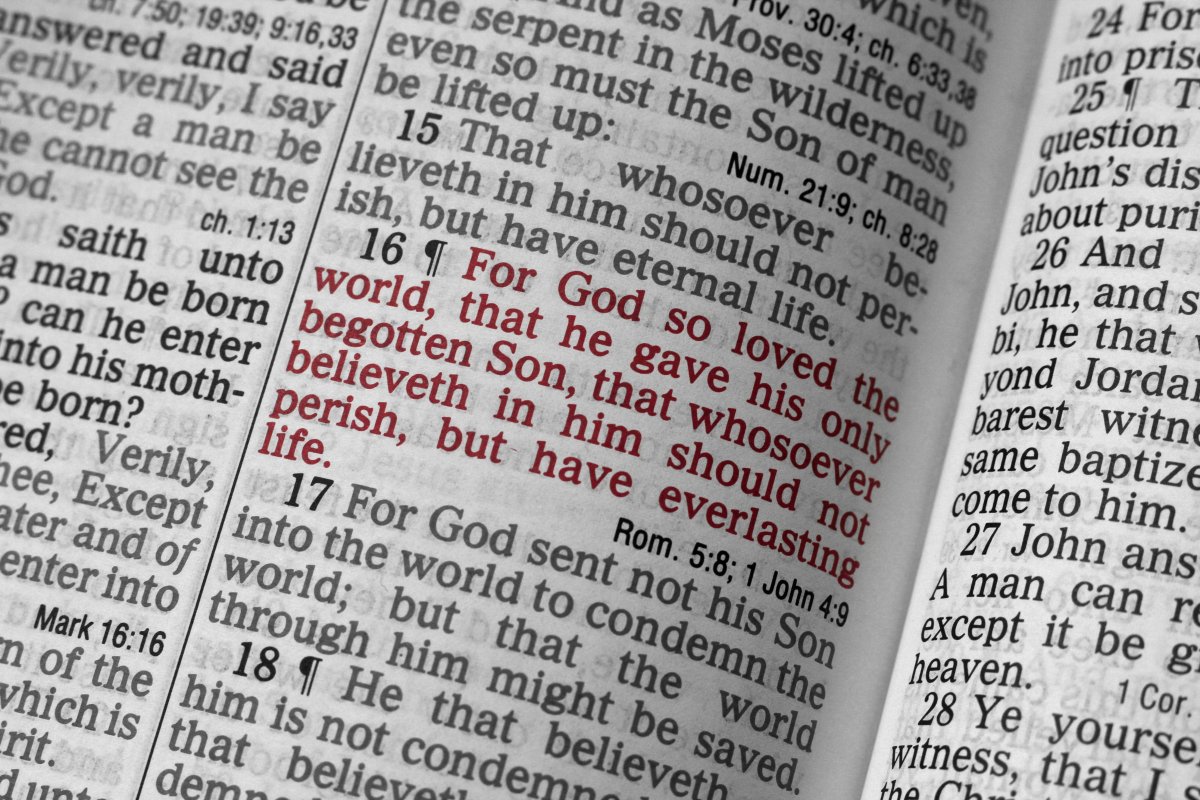
The Book of Galatians
#
The Emergency Letter Against a False Gospel
Galatians 1:6–9 (ESV) I am astonished that you are so quickly deserting him who called you in the grace of Christ and are turning to a different gospel—not that there is another one, but there are some who trouble you and want to distort the gospel of Christ. But even if we or an angel from heaven should preach to you a gospel contrary to the one we preached to you, let him be accursed. As we have said before, so now I say again: If anyone is preaching to you a gospel contrary to the one you received, let him be accursed.
#
INTRODUCTION: Why Galatians?
Galatians is Paul's emergency letter against a false gospel that sounded "biblical" but actually destroyed grace. The issue was not whether people should obey God. The issue was whether obedience (especially circumcision and "works of the law") becomes a requirement to be justified—to be right with God.
Paul's answer is relentless: to add anything to Christ as a ground of justification is to abandon the gospel.
The churches in Galatia (a region in modern-day Turkey) were made up mostly of Gentile converts. After Paul planted these churches and moved on, a group of teachers—often called "Judaizers"—had come in behind him. They were saying: "Faith in Jesus is good, but it's not enough. To really be right with God, you also need to be circumcised and keep the law of Moses." This sounded religious. It sounded serious. It sounded like they were calling people to deeper commitment.
Paul calls it what it was: a different gospel. And a different gospel is not good news at all.
This letter is not a calm theological essay. It is a pastoral emergency intervention. Paul writes with urgency, passion, and sometimes shocking bluntness because he understands that the eternal destiny of his converts is at stake. If they embrace a gospel of Jesus-plus-works, they have abandoned grace altogether.
As we walk through this letter chapter by chapter, we will see Paul build his case like a master theologian and a loving pastor. He grounds his argument in his own apostolic authority, the experience of the Galatians themselves, the Old Testament Scriptures, and the logic of the gospel itself. By the end, we will understand not only what Paul taught about justification by faith, but why it matters—and why it still matters today.
#
Galatians 1 — There Is Only One Gospel
#
1:1–5 — Paul's authority and the gospel in miniature
Galatians 1:1–5 (ESV) Paul, an apostle—not from men nor through man, but through Jesus Christ and God the Father, who raised him from the dead—and all the brothers who are with me, to the churches of Galatia: Grace to you and peace from God our Father and the Lord Jesus Christ, who gave himself for our sins to deliver us from the present evil age, according to the will of our God and Father, to whom be the glory forever and ever. Amen.
Paul opens with authority: *"Paul, an apostle—not from men nor through man, but through Jesus Christ and God the Father."
- He's already drawing a line: his message does not come from religious councils or human tradition. It comes from Christ. This matters because the false teachers in Galatia were almost certainly claiming some kind of authority—perhaps from Jerusalem, perhaps from the original apostles. Paul is saying: my authority is not secondhand. I was commissioned directly by the risen Christ.
Then he compresses the gospel into a single verse: Jesus *"gave himself for our sins, that he might deliver us from the present evil age."
- That's substitution and rescue. The gospel is not self-improvement. It's not moral instruction. It's not religious advice. It's deliverance by Christ's self-giving. He gave himself. For our sins. To rescue us. This is the good news that the Galatians had received and that was now under attack.
#
❤ Heart Moment
Before the argument begins, before the warnings and the harsh words, Paul gives them this: grace, peace, and a Savior who gave himself for them. The gospel is not first a demand; it is first a gift. The false teachers would load them with requirements. Paul starts by reminding them of what they have already been given.
#
1:6–10 — The shock: "a different gospel" is not another
Galatians 1:6–10 (ESV) I am astonished that you are so quickly deserting him who called you in the grace of Christ and are turning to a different gospel—not that there is another one, but there are some who trouble you and want to distort the gospel of Christ. But even if we or an angel from heaven should preach to you a gospel contrary to the one we preached to you, let him be accursed. As we have said before, so now I say again: If anyone is preaching to you a gospel contrary to the one you received, let him be accursed. For am I now seeking the approval of man, or of God? Or am I trying to please man? If I were still trying to please man, I would not be a servant of Christ.
"I am astonished" — this is not mild disappointment. Paul is shocked, rocked to his core. The Galatians are not merely confused; they are *"deserting him who called you."
- To abandon the gospel is to abandon God himself.
Then he clarifies with a Greek wordplay that is lost in English: *"a different gospel—not that there is another one."
- The Greek has two words for "another": allos (another of the same kind) and heteros (another of a different kind). Paul uses heteros for "different gospel" and then says it is not allos—it is not another of the same kind at all. A "gospel" that adds requirements to Christ isn't a gospel at all. It's something else entirely.
Then he drops the thunder: *"Even if we or an angel from heaven should preach to you a gospel contrary to the one we preached to you, let him be accursed."
- The Greek word is anathema—devoted to destruction, cut off from God's presence, consigned to judgment. Paul repeats it twice (verses 8 and 9). This is not personality conflict. This is not theological disagreement among friends. This is salvation-level reality. False gospels damn.
Why so strong? Because any "gospel" that makes you earn justification gives you a different Christ—one who is not sufficient. The false teachers were not denying Jesus; they were adding to him. But adding to Christ is subtracting from Christ. A Jesus who is not enough to save you is not the Jesus of the Bible.
#
Q: Paul says false teachers should be "accursed." Isn't that harsh? Shouldn't we be more tolerant?
Paul's severity is a measure of his love. If someone were poisoning the water supply of a city, we would not call that person "tolerant" for being relaxed about it. The gospel is the water of life. Those who poison it are not offering another viewpoint; they are offering death. Paul's language is strong because the stakes are eternal. He is not being personally vindictive; he is being pastorally desperate.
#
1:11–24 — Paul's gospel came by revelation, not inheritance
Galatians 1:11–24 (ESV) For I would have you know, brothers, that the gospel that was preached by me is not man's gospel. For I did not receive it from any man, nor was I taught it, but I received it through a revelation of Jesus Christ. For you have heard of my former life in Judaism, how I persecuted the church of God violently and tried to destroy it. And I was advancing in Judaism beyond many of my own age among my people, so extremely zealous was I for the traditions of my fathers. But when he who had set me apart before I was born, and who called me by his grace, was pleased to reveal his Son to me, in order that I might preach him among the Gentiles, I did not immediately consult with anyone; nor did I go up to Jerusalem to those who were apostles before me, but I went away into Arabia, and returned again to Damascus. Then after three years I went up to Jerusalem to visit Cephas and remained with him fifteen days. But I saw none of the other apostles except James the Lord's brother. (In what I am writing to you, before God, I do not lie!) Then I went into the regions of Syria and Cilicia. And I was still unknown in person to the churches of Judea that are in Christ. They only were hearing it said, "He who used to persecute us is now preaching the faith he once tried to destroy." And they glorified God because of me.
Paul insists: *"the gospel that was preached by me is not man's gospel."
- He didn't learn it from a human pipeline. He didn't attend a seminary or sit at the feet of the apostles for years of instruction. He received it directly from Christ.
He was a religious zealot, advancing in Judaism beyond his peers. If salvation were by religious achievement, Paul would have won. He had the credentials, the pedigree, the passion. But God "called me by his grace" and *"was pleased to reveal his Son to me."
- That's conversion as divine intervention, not moral reform.
Paul emphasizes he didn't immediately go receive authorization from Jerusalem. He went to Arabia, then returned to Damascus. Three years later he met Cephas (Peter) briefly and James, but that was it. The point isn't anti-church; it's anti-dependence: his gospel is not secondhand. It didn't come from human tradition, and therefore human tradition cannot override it.
The churches glorified God because *"he who once persecuted us is now preaching the faith he once tried to destroy."
- That's the gospel's power: it makes enemies into witnesses. A man who had dedicated his life to destroying the church became its most effective advocate. Only grace can do that.
#
UNDERSTANDING
Paul's autobiography in this chapter is not incidental. He is establishing his credentials against the false teachers who were almost certainly attacking him. They were probably saying: "Paul is not a real apostle. He wasn't one of the Twelve. His message is a watered-down version to make it easier for Gentiles." Paul responds by showing that his independence from Jerusalem is actually a strength—his gospel came directly from Christ, and even the Jerusalem apostles recognized that.
#
Galatians 2 — The Gospel Is Defended, and Justification Is Defined
#
2:1–10 — Titus, circumcision, and gospel clarity
Galatians 2:1–10 (ESV) Then after fourteen years I went up again to Jerusalem with Barnabas, taking Titus along with me. I went up because of a revelation and set before them (though privately before those who seemed influential) the gospel that I proclaim among the Gentiles, in order to make sure I was not running or had not run in vain. But even Titus, who was with me, was not forced to be circumcised, though he was a Greek. Yet because of false brothers secretly brought in—who slipped in to spy out our freedom that we have in Christ Jesus, so that they might bring us into slavery—to them we did not yield in submission even for a moment, so that the truth of the gospel might be preserved for you. And from those who seemed to be influential (what they were makes no difference to me; God shows no partiality)—those, I say, who seemed influential added nothing to me. On the contrary, when they saw that I had been entrusted with the gospel to the uncircumcised, just as Peter had been entrusted with the gospel to the circumcised (for he who worked through Peter for his apostolic ministry to the circumcised worked also through me for mine to the Gentiles), and when James and Cephas and John, who seemed to be pillars, perceived the grace that was given to me, they gave the right hand of fellowship to Barnabas and me, that we should go to the Gentiles and they to the circumcised. Only, they asked us to remember the poor, the very thing I was eager to do.
Paul goes to Jerusalem after fourteen years. He brings Titus, a Greek. The question is direct: must a Gentile be circumcised to be fully accepted? The answer is a test case. If the Jerusalem apostles insist on circumcising Titus, then Paul's gospel has a problem.
Titus *"was not forced to be circumcised."
- Why? Because forcing it would have implied that faith in Christ is not enough. It would have said: Jesus plus circumcision equals salvation. And that is a different gospel.
Paul calls certain intruders "false brothers" who tried to *"bring us into slavery."
- That language matters. Adding law-requirements to justification is not "deeper holiness." It is slavery. The freedom Paul is talking about is not freedom to sin; it is freedom from the endless, exhausting effort to earn God's acceptance by performance.
*"We did not yield in submission even for a moment, that the truth of the gospel might be preserved for you."
- Paul treats compromise as spiritual murder. He is not negotiating. He is not looking for a middle ground. There is no middle ground between grace and works as the basis of justification.
The apostles in Jerusalem recognized grace in Paul and did not add requirements. They gave "the right hand of fellowship"—full partnership, full acceptance. The gospel unity is: the same grace, same Christ, same faith—Jew and Gentile alike.
#
2:11–14 — Peter's hypocrisy and the pressure of legalism
Galatians 2:11–14 (ESV) But when Cephas came to Antioch, I opposed him to his face, because he stood condemned. For before certain men came from James, he was eating with the Gentiles; but when they came he drew back and separated himself, fearing the circumcision party. And the rest of the Jews acted hypocritically along with him, so that even Barnabas was led astray by their hypocrisy. But when I saw that their conduct was not in step with the truth of the gospel, I said to Cephas before them all, "If you, though a Jew, live like a Gentile and not like a Jew, how can you force the Gentiles to live like Jews?"
Paul publicly confronts Peter in Antioch. This is one of the most dramatic moments in the New Testament. Peter—the leader of the apostles, the one to whom Jesus said "on this rock I will build my church"—is publicly rebuked by Paul.
What did Peter do wrong? He had been eating with Gentile believers, which in the first-century context meant full table fellowship, full acceptance. But when "certain men came from James"—Jewish believers who were still concerned about kosher food laws and separation—Peter withdrew. He stopped eating with Gentiles. And his behavior influenced others, including Barnabas, Paul's longtime partner.
Paul says Peter was *"not in step with the truth of the gospel."
- That phrase is massive. This wasn't a minor social issue. It communicated: Gentiles are second-class unless they adopt Jewish boundary markers. It undermined the very gospel Paul had been defending—that in Christ there is no distinction, that justification is by faith alone, that table fellowship is based on union with Christ, not on dietary laws.
Peter's hypocrisy was not that he held wrong doctrine. It was that his behavior contradicted what he knew to be true. He knew Gentiles were fully accepted. He knew the gospel. But under pressure, he acted as if he didn't.
#
Q: Why is table fellowship such a big deal? Why does Paul make this public?
In the ancient world, table fellowship was one of the most intimate forms of social connection. To eat with someone was to accept them fully. By withdrawing, Peter was effectively saying: "Gentile believers are not really my brothers and sisters at the deepest level unless they adopt our customs." This struck at the heart of the gospel, which declares that Jew and Gentile are one in Christ. Paul's public rebuke was necessary because the issue was public and the stakes were the same as in Galatia: the truth of the gospel itself.
#
2:15–21 — Justification by faith, not works; Christ lives in me
Galatians 2:15–21 (ESV) We ourselves are Jews by birth and not Gentile sinners; yet we know that a person is not justified by works of the law but through faith in Jesus Christ, so we also have believed in Christ Jesus, in order to be justified by faith in Christ and not by works of the law, because by works of the law no one will be justified. But if, in our endeavor to be justified in Christ, we too were found to be sinners, is Christ then a servant of sin? Certainly not! For if I rebuild what I tore down, I prove myself to be a transgressor. For through the law I died to the law, so that I might live to God. I have been crucified with Christ. It is no longer I who live, but Christ who lives in me. And the life I now live in the flesh I live by faith in the Son of God, who loved me and gave himself for me. I do not nullify the grace of God, for if righteousness were through the law, then Christ died for no purpose.
Paul states the doctrine plainly: *"a person is not justified by works of the law but through faith in Jesus Christ."
- He repeats it in the same verse, three times in effect, like a hammer.
"Works of the law" are not merely "bad works." It refers to law-keeping as a ground of right standing—especially circumcision and Torah boundary markers, but also the whole principle of earning acceptance by performance. Paul's point is that no amount of law-keeping can make a person right with God. Why? Because the law demands perfect obedience, and no one gives it.
Then Paul destroys the logic of returning to law as justification: *"if I rebuild what I tore down, I prove myself to be a transgressor."
- The law cannot be the solution to sin because it diagnoses but does not resurrect. To go back to the law as the basis of your standing is to put yourself back under its curse.
Then comes one of the most glorious verses in all of Scripture: *"I have been crucified with Christ. It is no longer I who live, but Christ who lives in me. And the life I now live in the flesh I live by faith in the Son of God, who loved me and gave himself for me."
- That's not a slogan. It means union with Christ changes your identity. You don't relate to God by your record; you relate to God by Christ. Your old self, the one that tried to earn God's favor, died with Christ. The new self lives by faith in the One who loved you and gave himself for you.
And the nuclear line: *"I do not nullify the grace of God, for if righteousness were through the law, then Christ died for no purpose."
- Any system that makes law-keeping a basis for righteousness empties the cross. If you could be made right with God by your own efforts, why did Jesus have to die? The cross is either the center of everything or it is meaningless. There is no middle ground.
#
❤ Heart Moment
*"Who loved me and gave himself for me."
- Paul does not say "who loved us" here, though that is true. He makes it personal: me. The Son of God loved me. He gave himself for me. This is the gospel not as abstract doctrine but as personal reality. Before the law can condemn you, before the false teachers can burden you, before your own failures can discourage you—Christ loved you. Personally. Particularly. And he gave himself for you.
#
Q: What does it mean to be "crucified with Christ"? Is Paul speaking mystically or metaphorically?
Paul is describing the reality of union with Christ that happens at conversion. When you are united to Christ by faith, what is true of him becomes true of you. He died; you died with him. He rose; you are raised with him. This is not just a metaphor; it is the deepest reality of the Christian life. Your old identity—the one defined by your efforts, your failures, your attempts to earn God's favor—is dead. Your new identity is defined by Christ living in you. This is why legalism is so destructive: it tries to resurrect the old self that God has already put to death.
#
Galatians 3 — The Curse of the Law, the Promise to Abraham, and the Purpose of the Law
#
3:1–5 — How did you begin? By Spirit or by works?
Galatians 3:1–5 (ESV) O foolish Galatians! Who has bewitched you? It was before your eyes that Jesus Christ was publicly portrayed as crucified. Let me ask you only this: Did you receive the Spirit by works of the law or by hearing with faith? Are you so foolish? Having begun by the Spirit, are you now being perfected by the flesh? Did you suffer so many things in vain—if indeed it was in vain? Does he who supplies the Spirit to you and works miracles among you do so by works of the law, or by hearing with faith?
*"O foolish Galatians! Who has bewitched you?"
- Paul uses strong language because legalism is not merely intellectual error—it's spiritual deception. The Galatians are not just making a mistake; they are under a kind of spell, and Paul wants to break it.
He asks one question that settles everything: *"Did you receive the Spirit by works of the law or by hearing with faith?"
- That's the test. The Spirit came when they believed the gospel, not when they achieved Torah performance. They knew this. They had experienced it. The Spirit's arrival was not conditional on their circumcision; it was a gift received through faith.
*"Having begun by the Spirit, are you now being perfected by the flesh?"
- The logic is devastating. If you couldn't earn the beginning of your Christian life, how could you earn its completion? The same grace that saved you is the same grace that sanctifies you. "Flesh" here is human effort as the basis of spiritual standing. You cannot start by grace and finish by merit.
#
UNDERSTANDING
The Galatians had experienced the Holy Spirit in powerful ways—miracles, gifts, transformed lives. All of this came when they believed the gospel, before any question of circumcision or law-keeping arose. Paul is asking: Are you going to turn your back on your own experience? Are you going to say that the Spirit came by faith but now you need something more?
#
3:6–14 — Abraham: faith credited; curse removed by Christ
Galatians 3:6–14 (ESV) Just as Abraham "believed God, and it was counted to him as righteousness"? Know then that it is those of faith who are the sons of Abraham. And the Scripture, foreseeing that God would justify the Gentiles by faith, preached the gospel beforehand to Abraham, saying, "In you shall all the nations be blessed." So then, those who are of faith are blessed along with Abraham, the man of faith. For all who rely on works of the law are under a curse; for it is written, "Cursed be everyone who does not abide by all things written in the Book of the Law, and do them." Now it is evident that no one is justified before God by the law, for "The righteous shall live by faith." But the law is not of faith, rather "The one who does them shall live by them." Christ redeemed us from the curse of the law by becoming a curse for us—for it is written, "Cursed is everyone who is hanged on a tree"—so that in Christ Jesus the blessing of Abraham might come to the Gentiles, so that we might receive the promised Spirit through faith.
Paul quotes Genesis 15:6: *"Abraham believed God, and it was counted to him as righteousness."
- Abraham is the model of justification by faith—not just for Jews, but for all who share his faith. He was justified centuries before the law was given at Sinai. His righteousness was not based on his performance but on his trust in God's promise.
*"Those who are of faith are the sons of Abraham."
- Not those who share Abraham's DNA or religious badges—those who share Abraham's faith. This is a radical redefinition of identity. Your true family is not determined by birth or circumcision but by faith in the promised Savior.
Then Paul states the curse problem: *"Cursed be everyone who does not abide by all things written in the Book of the Law, and do them."
- The law is not a ladder. It is a covenant of total obligation. Break it at any point and you're guilty of all of it (James 2:10). The law cannot give life; it can only condemn.
Christ's work answers it: *"Christ redeemed us from the curse of the law by becoming a curse for us."
- That is substitution at the level of covenant curse. Jesus took the curse that the law pronounces on lawbreakers. He became cursed in our place. The result: "that in Christ Jesus the blessing of Abraham might come to the Gentiles, so that we might receive the promised Spirit through faith."
#
Q: What does it mean that Christ became "a curse for us"? Isn't that offensive?
It is offensive—and it is meant to be. The cross was not a dignified, religious ceremony. It was a Roman execution reserved for the lowest criminals. Deuteronomy 21:23 said that anyone hanged on a tree was under God's curse. Paul takes this verse and applies it to Jesus: on the cross, Jesus took the curse that we deserved. The offensiveness of the cross is precisely the point. Our sin was so serious that only the curse-bearing death of God's Son could save us. Any gospel that minimizes the cross minimizes sin—and minimizes grace.
#
3:15–22 — Promise before law; the promise cannot be annulled
Galatians 3:15–22 (ESV) To give a human example, brothers: even with a man-made covenant, no one annuls it or adds to it once it has been ratified. Now the promises were made to Abraham and to his offspring. It does not say, "And to offsprings," referring to many, but referring to one, "And to your offspring," who is Christ. This is what I mean: the law, which came 430 years afterward, does not annul a covenant previously ratified by God, so as to make the promise void. For if the inheritance comes by the law, it no longer comes by promise; but God gave it to Abraham by a promise. Why then the law? It was added because of transgressions, until the offspring should come to whom the promise had been made, and it was put in place through angels by an intermediary. Now an intermediary implies more than one, but God is one. Is the law then contrary to the promises of God? Certainly not! For if a law had been given that could give life, then righteousness would indeed be by the law. But the Scripture imprisoned everything under sin, so that the promise by faith in Jesus Christ might be given to those who believe.
Paul argues from covenant logic: a confirmed covenant isn't annulled later. God's promise to Abraham came 430 years before Sinai, so Sinai cannot cancel the promise. The law didn't replace grace; it came alongside, with a different purpose.
*"The promises were made to Abraham and to his offspring... who is Christ."
- Paul's point is not a grammar game for its own sake; it's theological: the promise funnels toward Christ. The inheritance is not finally "law-people" but "Christ-people." All the promises of God find their "Yes" in him (2 Corinthians 1:20).
Why law then? *"It was added because of transgressions."
- The law exposes sin, restrains sin, and shows the need for a Savior. It cannot give life. *"If a law had been given that could give life, then righteousness would indeed be by the law."
- But it cannot. The law's job is to shut everyone up under sin, to demonstrate that no one can be saved by their own efforts, so that salvation might be by faith in Jesus Christ alone.
#
3:23–29 — The law as guardian; sons through faith; one in Christ
Galatians 3:23–29 (ESV) Now before faith came, we were held captive under the law, imprisoned until the coming faith would be revealed. So then, the law was our guardian until Christ came, in order that we might be justified by faith. But now that faith has come, we are no longer under a guardian, for in Christ Jesus you are all sons of God, through faith. For as many of you as were baptized into Christ have put on Christ. There is neither Jew nor Greek, there is neither slave nor free, there is no male and female, for you are all one in Christ Jesus. And if you are Christ's, then you are Abraham's offspring, heirs according to promise.
*"Before faith came, we were held captive under the law, imprisoned."
- Paul depicts law as confinement. It's not a place to stay; it's a place to be kept until the promised deliverer arrives.
The law was our "guardian" (Greek: paidagōgos)—a guardian/escort, not a savior. In the ancient world, a paidagōgos was a slave entrusted with supervising a child, protecting him from danger, and escorting him to school. But the paidagōgos was not the teacher. His job was to bring the child to the teacher. The law's job is to lead us to Christ, not replace Him.
*"Now that faith has come, we are no longer under a guardian."
- The language is striking: faith is not just a belief system; it is a new era, a new reality. Those who are in Christ have graduated from the law's guardianship.
*"In Christ Jesus you are all sons of God, through faith."
- Sonship is by faith. Then: *"As many of you as were baptized into Christ have put on Christ."
- Baptism here functions as the visible sign of union with Christ, not as a competing basis for justification. It is the public declaration that you belong to him.
*"There is neither Jew nor Greek, there is neither slave nor free, there is no male and female, for you are all one in Christ Jesus."
- This does not erase distinctions of role or sex; it erases status distinctions in justification. In the ancient world, these were the great divides: ethnicity (Jew/Greek), social class (slave/free), and gender (male/female). Paul says: in Christ, none of these determine your standing with God. There are no second-class citizens in the kingdom.
*"If you are Christ's, then you are Abraham's offspring, heirs according to promise."
- Heirs by promise, not by performance. The inheritance is not earned; it is received.
#
❤ Heart Moment
*"You are all one in Christ Jesus."
- The Galatians were being told that they needed to become something else—Jews, circumcised, law-keepers—to be fully accepted. Paul says: you are already fully accepted. In Christ, you have everything. You don't need to become a Jew to be a Christian. You don't need to adopt someone else's culture to belong to God. In Christ, you are already a child of Abraham, an heir of the promise. This is your identity. Not what you achieve, but who you are in him.
#
Galatians 4 — Sons, Not Slaves; Don't Go Back
#
4:1–7 — Adoption and the Spirit of Sonship
Galatians 4:1–7 (ESV) I mean that the heir, as long as he is a child, is no different from a slave, though he is the owner of everything, but he is under guardians and managers until the date set by his father. In the same way we also, when we were children, were enslaved to the elementary principles of the world. But when the fullness of time had come, God sent forth his Son, born of woman, born under the law, to redeem those who were under the law, so that we might receive adoption as sons. And because you are sons, God has sent the Spirit of his Son into our hearts, crying, "Abba! Father!" So you are no longer a slave, but a son, and if a son, then an heir through God.
Paul compares Israel under the law to a minor child under guardians and managers. The child is the heir of everything, but while still a child, he lives like a slave—under authority, under rules, unable to access his inheritance. That's what life under the law was like: it was custodial, preparatory, not final.
*"When the fullness of time had come, God sent forth his Son, born of woman, born under the law."
- This is one of the most beautiful statements of the incarnation in Scripture. Jesus entered the law's realm—born under its authority, subject to its demands—in order to redeem those who were under the law. He came into our prison to set us free.
Purpose: *"that we might receive adoption as sons."
- The Greek word for adoption (huiothesia) means "placing as a son." In the Roman world, an adopted son had all the rights and privileges of a natural-born son. He was not a second-class member of the family. Paul says: this is what God has done for us.
*"Because you are sons, God has sent the Spirit of his Son into our hearts, crying, 'Abba! Father!'"
- That's intimate access. Abba is the Aramaic word for "Father"—the intimate term a child would use, like "Daddy" or "Papa." Legalism always cools "Abba" into "Employer." The Spirit's work is to restore the intimate cry of the child to the Father.
*"So you are no longer a slave, but a son, and if a son, then an heir through God."
- This is the definitive statement: your status is not slave but son. Not employee but heir. Not outsider but family.
#
4:8–11 — Turning back is not progress; it's slavery
Galatians 4:8–11 (ESV) Formerly, when you did not know God, you were enslaved to those that by nature are not gods. But now that you have come to know God, or rather to be known by God, how can you turn back again to the weak and worthless elementary principles of the world, whose slaves you want to be once more? You observe days and months and seasons and years! I am afraid I may have labored over you in vain.
Before they knew God, they served "those that by nature are not gods"—pagan idols, the gods of the nations. Now Paul says legalism is a return to slavery: "how can you turn back again to the weak and worthless elementary principles of the world?"
"Elementary principles" (Greek: stoicheia) can mean the basic "world-structures" of religion-as-performance. The pagan world had its own forms of religious observance—days, months, seasons, years—to try to gain favor with the gods. Now the Galatians were adopting Jewish observances for the same purpose: to earn God's favor. Paul says this is not progress; it's regression. You've gone from pagan slavery to Jewish slavery, but you're still a slave.
Observing "days and months and seasons and years" as a requirement signals drifting into a calendar-based righteousness. The issue is not appreciating rhythms; it is trusting them. Paul's fear is real: "I am afraid I may have labored over you in vain."
#
Q: Is Paul saying that observing religious calendars is wrong? What about Christian seasons like Lent or Advent?
Paul is not condemning the observance of days as such. The early church continued to worship on the Lord's Day and observed the Jewish festivals for a time. The issue is the basis of the observance. If you observe days because you think it earns you favor with God, you have misunderstood the gospel. If you observe days as a way of celebrating what God has already given you in Christ, it can be a meaningful practice. The question is always: why are you doing this? What are you trusting?
#
4:12–20 — Pastoral pain: who harmed you?
Galatians 4:12–20 (ESV) Brothers, I entreat you, become as I am, for I also have become as you are. You did me no wrong. You know it was because of a bodily ailment that I preached the gospel to you at first, and though my condition was a trial to you, you did not scorn or despise me, but received me as an angel of God, as Christ Jesus. What then has become of your blessedness? For I testify to you that, if possible, you would have gouged out your eyes and given them to me. Have I then become your enemy by telling you the truth? They make much of you, but for no good purpose. They want to shut you out, that you may make much of them. It is always good to be made much of for a good purpose, and not only when I am present with you, my little children, for whom I am again in the anguish of childbirth until Christ is formed in you! I wish I could be present with you now and change my tone, for I am perplexed about you.
Paul reminds them of their earlier love: they would have given their eyes for him (possibly indicating that Paul's "bodily ailment" was an eye condition). Now he's treated as an enemy for telling them the truth.
False teachers *"make much of you, but for no good purpose."
- They flatter. They draw you in. They *"want to shut you out, that you may make much of them."
- This is a classic cult pattern: cut you off from others so that your loyalty to them increases. The false teachers were isolating the Galatians from Paul and from the true gospel so that they would depend on the teachers alone.
Paul's line is deeply pastoral: *"my little children, for whom I am again in the anguish of childbirth until Christ is formed in you!"
- Paul's goal isn't to win arguments; it's Christlike formation. He feels the pain of a mother in labor—again—because the Galatians are reverting and he has to start over with them.
#
4:21–31 — Hagar and Sarah: two covenants, two kinds of "children"
Galatians 4:21–31 (ESV) Tell me, you who desire to be under the law, do you not listen to the law? For it is written that Abraham had two sons, one by a slave woman and one by a free woman. But the son of the slave was born according to the flesh, while the son of the free woman was born through promise. Now this may be interpreted allegorically: these women are two covenants. One is from Mount Sinai, bearing children for slavery; she is Hagar. Now Hagar is Mount Sinai in Arabia; she corresponds to the present Jerusalem, for she is in slavery with her children. But the Jerusalem above is free, and she is our mother. For it is written, "Rejoice, O barren one who does not bear; break forth and cry aloud, you who are not in labor! For the children of the desolate one will be more than those of the one who has a husband." Now you, brothers, like Isaac, are children of promise. But just as at that time he who was born according to the flesh persecuted him who was born according to the Spirit, so also it is now. But what does the Scripture say? "Cast out the slave woman and her son, for the son of the slave woman shall not inherit with the son of the free woman." So, brothers, we are not children of the slave but of the free woman.
This is a dense section. Paul uses the Abraham story as an allegory/typology to contrast two principles:
Hagar/Ishmael: born "according to the flesh" (human effort, the normal way of things, not the way of promise) Sarah/Isaac: born "through promise" (divine intervention, supernatural, against all odds)
He applies it: one corresponds to slavery (the covenant from Mount Sinai, represented by the earthly Jerusalem), one to freedom (the covenant of promise, represented by the heavenly Jerusalem).
His point is not anti-Jewish. His point is anti-performance-as-identity. The false teachers were saying: "You need to become children of Abraham through circumcision and law-keeping." Paul says: "We already are children of Abraham—children of promise, like Isaac. We are not children of the slave woman, born by human effort. We are children of the free woman, born by divine promise."
The quotation from Isaiah 54 celebrates the barren woman who becomes the mother of many children—a picture of Sarah, and ultimately of the church. The children of promise are more numerous than the children of human effort.
"Cast out the slave woman and her son" is a shocking conclusion. Paul is not advocating violence against Jews or anyone else. He is making a theological point: the principle of salvation by human effort (symbolized by Hagar and Ishmael) has no place in the inheritance of God's people. It must be excluded, not because God is harsh, but because adding human effort to divine grace destroys grace.
#
Galatians 5 — Freedom, Not License; Spirit vs. Flesh
#
5:1–6 — Circumcision as a salvation-requirement destroys grace
Galatians 5:1–6 (ESV) For freedom Christ has set us free; stand firm therefore, and do not submit again to a yoke of slavery. Look: I, Paul, say to you that if you accept circumcision, Christ will be of no advantage to you. I testify again to every man who accepts circumcision that he is obligated to keep the whole law. You are severed from Christ, you who would be justified by the law; you have fallen away from grace. For through the Spirit, by faith, we ourselves eagerly wait for the hope of righteousness. For in Christ Jesus neither circumcision nor uncircumcision counts for anything, but only faith working through love.
*"For freedom Christ has set us free."
- Freedom here is not freedom to sin; it's freedom from earning. Freedom from the endless cycle of trying to prove yourself worthy. Freedom from the yoke of slavery—the burden of performance-based religion.
*"If you accept circumcision, Christ will be of no advantage to you."
- Paul isn't attacking circumcision as a cultural practice; he's attacking circumcision as a requirement for justification. If you add it to faith as necessary for salvation, you have rejected salvation by faith alone. And if you reject faith alone, Christ cannot save you—because he only saves those who trust him, not those who trust themselves.
*"He is obligated to keep the whole law."
- You can't take law as a justification-system "a little." It's all-or-nothing. If you put yourself under law as the basis of your standing, you have to keep all of it. You can't pick and choose.
*"You are severed from Christ, you who would be justified by the law; you have fallen away from grace."
- That phrase is often misused as "Christians lose salvation by sinning." In context it means: if you choose law as your righteousness system, you've stepped out of the grace-ground and onto a merit-ground. You're changing gospels. The person who trusts in circumcision (or any work) for justification is not trusting in Christ for justification. You cannot have both.
True believers *"through the Spirit, by faith, eagerly wait for the hope of righteousness."
- The Christian life is future-oriented hope grounded in faith. We are not yet fully righteous; we wait for the completion of what God has begun. But we wait by faith, not by works.
*"In Christ Jesus neither circumcision nor uncircumcision counts for anything, but only faith working through love."
- The decisive thing is not your religious badge; it's faith—and that faith expresses itself in love. Faith works through love. Not faith plus love, but faith that is alive and active, and love is its characteristic expression.
#
5:7–12 — A little leaven; harsh words for gospel corrupters
Galatians 5:7–12 (ESV) You were running well. Who hindered you from obeying the truth? This persuasion is not from him who calls you. A little leaven leavens the whole lump. I have confidence in the Lord that you will take no other view, and the one who is troubling you will bear the penalty, whoever he is. But if I, brothers, still preach circumcision, why am I still being persecuted? In that case the offense of the cross has been removed. I wish those who unsettle you would emasculate themselves!
*"You were running well. Who hindered you?"
- False teaching disrupts spiritual progress. The Galatians were not stumbling on their own; someone tripped them.
*"A little leaven leavens the whole lump."
- Legalism spreads. It doesn't stay "balanced." You can't add a little works-based thinking to grace and keep it contained. It leavens the whole lump of your theology and your spiritual life.
Paul's language becomes severe: *"I wish those who unsettle you would emasculate themselves!"
- This is shocking, and it's meant to be. The false teachers were obsessed with circumcision—cutting the flesh as a sign of spiritual commitment. Paul says, with brutal irony: if cutting is what you're after, why don't you go all the way and cut the whole thing off? The point is not to advocate self-harm but to expose the absurdity of trusting in physical cutting for spiritual standing. Paul's severity reflects the seriousness of the issue.
#
5:13–15 — Freedom serves through love
Galatians 5:13–15 (ESV) For you were called to freedom, brothers. Only do not use your freedom as an opportunity for the flesh, but through love serve one another. For the whole law is fulfilled in one word: "You shall love your neighbor as yourself." But if you bite and devour one another, watch out that you are not consumed by one another.
*"You were called to freedom."
- This is the Christian's identity: free people. Not slaves. Not under the law's curse. Not trying to earn God's favor. Free.
But freedom is not a license to indulge the flesh. *"Only do not use your freedom as an opportunity for the flesh."
- The flesh here means the sinful nature, the self-centered impulse that uses freedom as an excuse for self-indulgence. True freedom is not freedom to sin; it is freedom from sin's mastery.
*"Through love serve one another."
- The Greek word for "serve" here is douleuō—to serve as a slave. Paul's paradox is beautiful: you are free, so freely choose to become a slave to others in love. True freedom expresses itself in loving service, not self-indulgence.
*"The whole law is fulfilled in one word: 'You shall love your neighbor as yourself.'"
- The law is not erased; it is fulfilled through love in the Spirit, not used as a ladder to earn justification. Love does not replace the law; it fulfills it. When you love, you are doing what the law always required.
#
5:16–26 — Walk by the Spirit; works of flesh; fruit of Spirit
Galatians 5:16–26 (ESV) But I say, walk by the Spirit, and you will not gratify the desires of the flesh. For the desires of the flesh are against the Spirit, and the desires of the Spirit are against the flesh, for these are opposed to each other, to keep you from doing the things you want to do. But if you are led by the Spirit, you are not under the law. Now the works of the flesh are evident: sexual immorality, impurity, sensuality, idolatry, sorcery, enmity, strife, jealousy, fits of anger, rivalries, dissensions, divisions, envy, drunkenness, orgies, and things like these. I warn you, as I warned you before, that those who do such things will not inherit the kingdom of God. But the fruit of the Spirit is love, joy, peace, patience, kindness, goodness, faithfulness, gentleness, self-control; against such things there is no law. And those who belong to Christ Jesus have crucified the flesh with its passions and desires. If we live by the Spirit, let us also keep in step with the Spirit. Let us not become conceited, provoking one another, envying one another.
*"Walk by the Spirit, and you will not gratify the desires of the flesh."
- This is the Christian method of sanctification: Spirit-led life, not law-based earning. The Spirit is the power; walking by the Spirit is the means.
*"The desires of the flesh are against the Spirit, and the desires of the Spirit are against the flesh."
- Christian struggle is normal. There is an internal war between the old nature (the flesh) and the new nature (the Spirit). Sinless perfection claims collide with this reality. The battle is real, and it will last as long as we are in this body.
*"If you are led by the Spirit, you are not under the law."
- Being led by the Spirit is the alternative to being under law. The law cannot produce what the Spirit produces. The law commands; the Spirit empowers.
Paul lists "the works of the flesh" —a catalog of sins that includes both gross sins (sexual immorality, drunkenness) and subtle ones (enmity, jealousy, fits of anger, rivalries, dissensions, divisions). He warns that *"those who do such things will not inherit the kingdom of God."
- This is not "one sin and you're out." It's a warning about a settled, unrepentant life-pattern that contradicts regeneration.
Then "the fruit of the Spirit" —love, joy, peace, patience, kindness, goodness, faithfulness, gentleness, self-control. Fruit is organic, grown, not manufactured. You cannot produce fruit by effort; you can only receive it by abiding in the vine (John 15). "Against such things there is no law" because Spirit fruit fulfills God's moral will from within.
*"Those who belong to Christ Jesus have crucified the flesh with its passions and desires."
- That's decisive identity: the flesh is not your master anymore. At conversion, you died with Christ. The old self was crucified. Yet the battle continues as you *"keep in step with the Spirit."
- The Christian life is continual dependence.
#
❤ Heart Moment
*"The fruit of the Spirit is love, joy, peace..."
- These are not commands; they are promises. The Spirit produces them in you. You don't have to manufacture joy by effort; you receive it as fruit. You don't have to grit your teeth and force peace; it grows as you abide in Christ. The Christian life is not about trying harder; it's about trusting more—trusting the Spirit to produce in you what you cannot produce on your own.
#
Galatians 6 — Restore, Bear Burdens, Sow to the Spirit, Boast Only in the Cross
#
6:1–5 — Restoration, gentleness, and self-awareness
Galatians 6:1–5 (ESV) Brothers, if anyone is caught in any transgression, you who are spiritual should restore him in a spirit of gentleness. Keep watch on yourself, lest you too be tempted. Bear one another's burdens, and so fulfill the law of Christ. For if anyone thinks he is something, when he is nothing, he deceives himself. But let each one test his own work, and then his reason to boast will be in himself alone and not in his neighbor. For each will have to bear his own load.
If someone is "caught in any transgression" —surprised by sin, overtaken, entangled—the response is restoration, not condemnation. And it's to be done *"in a spirit of gentleness."
- The goal is recovery, not humiliation.
*"Keep watch on yourself, lest you too be tempted."
- This is profound self-awareness. The person who restores others knows their own vulnerability. There is no place for spiritual pride in the work of restoration.
*"Bear one another's burdens, and so fulfill the law of Christ."
- What is the "law of Christ"? It's the ethic of love under Jesus's lordship—the command to love one another as he loved us (John 13:34). Burdens are the crushing weights of life—suffering, temptation, weakness, sin. We help carry them for one another.
Then Paul says each will bear his "own load" (verse 5). That's not a contradiction. Burdens (barē) are crushing weights we help carry; "load" (phortion) is personal responsibility—the things each person must answer for before God. You can help someone carry their burden, but you cannot live their life for them. Each of us will give an account to God.
#
6:6–10 — Sowing and reaping
Galatians 6:6–10 (ESV) Let the one who is taught the word share all good things with the one who teaches. Do not be deceived: God is not mocked, for whatever one sows, that will he also reap. For the one who sows to his own flesh will from the flesh reap corruption, but the one who sows to the Spirit will from the Spirit reap eternal life. And let us not grow weary of doing good, for in due season we will reap, if we do not give up. So then, as we have opportunity, let us do good to everyone, and especially to those who are of the household of faith.
*"Do not be deceived: God is not mocked."
- You cannot fool God. The universe operates on a moral logic: you reap what you sow. This is not salvation by farming morality. This is warning that choices have consequences and sanctification is real.
Sow to the flesh, reap corruption. Sow to the Spirit, reap eternal life. This is the logic of life-direction. True faith produces Spirit-sowing as a trajectory. Not perfection, but direction. Not earning, but living out what you are.
*"Let us not grow weary in doing good, for in due season we will reap, if we do not give up."
- Perseverance is how believers move through the long middle between conversion and glory. The harvest is coming. Don't quit before it arrives.
*"Do good to everyone, and especially to those who are of the household of faith."
- There is a priority to love within the family of God, but the love is not exclusive. We do good to all, but particularly to our brothers and sisters.
#
6:11–18 — The final blow: boasting in the cross alone
Galatians 6:11–18 (ESV) See with what large letters I am writing to you with my own hand. It is those who want to make a good showing in the flesh who would force you to be circumcised, and only in order that they may not be persecuted for the cross of Christ. For even those who are circumcised do not themselves keep the law, but they desire to have you circumcised that they may boast in your flesh. But far be it from me to boast except in the cross of our Lord Jesus Christ, by which the world has been crucified to me, and I to the world. For neither circumcision counts for anything, nor uncircumcision, but a new creation. And as for all who walk by this rule, peace and mercy be upon them, and upon the Israel of God. From now on let no one cause me trouble, for I bear on my body the marks of Jesus. The grace of our Lord Jesus Christ be with your spirit, brothers. Amen.
Paul takes the pen from his scribe and writes the closing himself, in "large letters" —perhaps emphasizing his passion, perhaps because his eyesight was poor (see 4:15). This personal touch shows his love and urgency.
He exposes the legalists' true motives: they want "a good showing in the flesh" —they want to look impressive, to avoid persecution, to boast in their followers. They don't even keep the law themselves, but they want the Galatians circumcised so they can boast in their "converts."
Then Paul makes his final, definitive statement: *"But far be it from me to boast except in the cross of our Lord Jesus Christ, by which the world has been crucified to me, and I to the world."
- This is the heart of Galatians. The cross is not merely your entry point. It is your only boast forever.
What does it mean that the world is crucified to Paul and he to the world? It means the world's value system—its rewards, its approval, its definitions of success—no longer has power over him. And Paul, in the world's eyes, is dead—no longer controlled by its opinions. The cross breaks the power of both.
*"Neither circumcision counts for anything, nor uncircumcision, but a new creation."
- The decisive mark isn't a ritual badge; it's regeneration—new creation. If you are in Christ, you are a new creation (2 Corinthians 5:17). That is what matters.
*"As for all who walk by this rule, peace and mercy be upon them."
- This "rule" is the principle that new creation, not circumcision, is what counts. On those who live by this gospel, Paul pronounces peace and mercy.
*"From now on let no one cause me trouble, for I bear on my body the marks of Jesus."
- Paul's scars from beatings, stonings, and persecutions are his credentials—not circumcision, but suffering for Christ. He has the marks to prove whose servant he is.
He ends where he began: *"The grace of our Lord Jesus Christ be with your spirit, brothers. Amen."
- Grace closes what grace opened.
#
❤ Heart Moment
*"Far be it from me to boast except in the cross of our Lord Jesus Christ."
- This is the final test of every gospel. What do you ultimately boast in? Your achievements? Your morality? Your religious observance? Your spiritual experiences? Or the cross alone? The cross is not just where you start; it is where you stay. It is not just your entrance into the Christian life; it is your boast forever. The person who has truly understood the gospel will find themselves, at the end of their life, boasting in the same thing they boasted in at the beginning: the cross of Christ.
#
What Galatians Ultimately Teaches
Galatians teaches that false gospels often look like "Jesus + something."
- Jesus + circumcision.
- Jesus + law.
- Jesus + your performance.
- Jesus + your religious badge.
- Jesus + your "worthiness."
Paul's answer is: Christ alone justifies. Then, justified people live holy lives by the Spirit, not to earn adoption but because they are adopted.
#
The Structure of Paul's Argument
- **Personal (Chapters 1–2):*
- Paul's gospel came by revelation, not tradition. His authority is from Christ, not men. Even Peter was wrong when he acted inconsistently with the gospel.
- **Biblical (Chapters 3–4):*
- Abraham was justified by faith, not works. The law cannot save; it was given to lead us to Christ. We are children of promise, not slavery.
- **Practical (Chapters 5–6):*
- Freedom in Christ is not license; it is life in the Spirit. The Spirit produces fruit that fulfills the law. The only thing that counts is new creation.
#
The Central Truth
Justification is by faith alone. Not faith plus anything. To add anything to faith as a ground of acceptance with God is to abandon the gospel. But faith that justifies is never alone; it is a living faith that works through love. The same Spirit who regenerates us also sanctifies us. The same grace that saves us also transforms us.
#
The Ongoing Relevance
Every generation faces its own version of the Galatian heresy. The form changes, but the substance is the same: the temptation to add something to Christ as the basis of our standing with God. It may be religious observance (church attendance, sacraments, spiritual disciplines). It may be moral performance (being a good person, keeping the rules). It may be religious experience (having the right feelings, the right encounters). But whatever form it takes, the lie is the same: Jesus is not enough.
Paul's answer is relentless and liberating: Jesus is enough. His cross is enough. His grace is enough. The Spirit he gives is enough. You don't need to add anything. You don't need to become something else. In Christ, you are already a child of God, an heir of the promise, a new creation. The only appropriate response is to boast in the cross—and to live, by the Spirit, the life of freedom that Christ died to give you.
Galatians 6:14–15 (ESV) But far be it from me to boast except in the cross of our Lord Jesus Christ, by which the world has been crucified to me, and I to the world. For neither circumcision counts for anything, nor uncircumcision, but a new creation.
💬 0 Comments
Leave a Comment
Your email address will not be published. All comments are reviewed before appearing.