Guard the Good Deposit
- A Deep Study of 1 Timothy
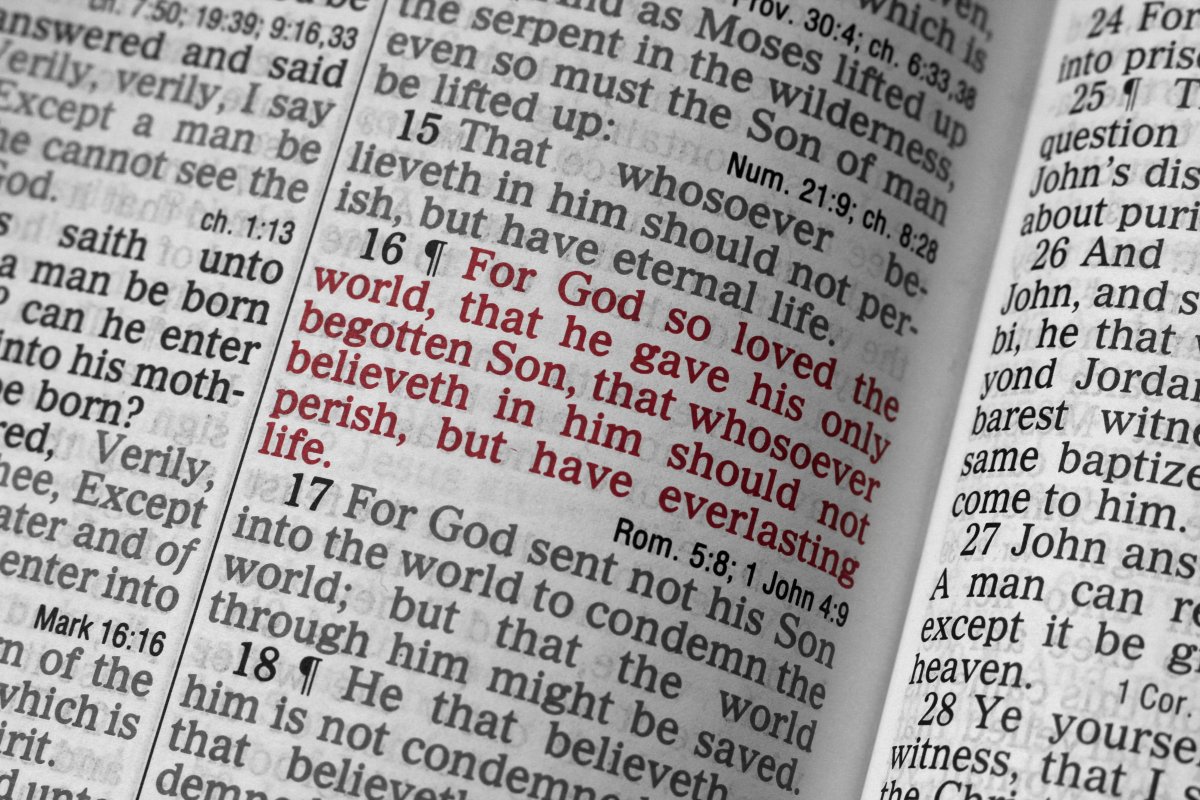
2 Timothy 1:14 (ESV) By the Holy Spirit who dwells within us, guard the good deposit entrusted to you.
#
INTRODUCTION: A Letter to a Son in the Faith
Paul is in Macedonia. Timothy is in Ephesus. And Paul is not there, which is the entire problem. He had left his young associate behind in one of the most complex, spiritually charged cities in the Roman Empire, with a difficult assignment: to manage a church that was already struggling with false teaching, disordered worship, questions about leadership qualifications, and a host of pastoral situations that no single person — certainly not a young man who Paul himself admits was prone to timidity — would find easy to navigate alone.
The letter we call 1 Timothy is Paul's response to that situation. It is deeply personal — "Timothy, my true child in the faith" — and deeply practical. It covers an enormous range of topics in six chapters: the nature and purpose of the law, the glory of the gospel for the worst of sinners, the conduct of worship, the qualifications of church leaders, the care of vulnerable members, and the posture of a man of God facing the sophisticated seductions of false doctrine. It is not primarily a systematic theology. It is a pastoral manual — instructions for how to live and lead in the household of God.
Understanding the city of Ephesus is essential for reading this letter well. Ephesus was the fourth largest city in the Roman Empire, a center of commerce, culture, and religion. It was home to the Temple of Artemis, one of the Seven Wonders of the Ancient World, drawing pilgrims, merchants, and religious tourists from across the Mediterranean world. The city was saturated with religious syncretism — the blending of multiple religious systems — and with mystery cults that promised special knowledge and elevated spiritual status to their initiates. This cultural air seeped into the church at Ephesus, and Paul's warnings about people who want to be 'teachers of the law' without understanding what they are teaching, and about 'myths and endless genealogies,' have this specific Ephesian religious environment in the background.
#
THE PASTORAL EPISTLES IN CONTEXT
1 Timothy, 2 Timothy, and Titus are known collectively as the Pastoral Epistles because they are addressed to individual pastors and deal primarily with the ordering and health of the local church. They were written near the end of Paul's life and ministry — after his first Roman imprisonment — and they carry the weight of a seasoned apostle passing the baton to the next generation. They are not academic letters. They are mentor letters, full of the hard-won wisdom of a man who has planted churches across three continents and watched both the beauty and the fragility of the community called the church.
What does 1 Timothy have to say to us today? Everything. The pressures Timothy faced in Ephesus — the appeal of speculative theology disconnected from holy living, the difficulty of maintaining order without becoming cold or controlling, the challenge of caring for vulnerable people in ways that build dignity rather than dependency, the temptation of a young leader to let people's opinion of him determine how boldly he speaks — are pressures that have not gone away. Every church in every generation faces versions of what Timothy faced in Ephesus. This letter is not a museum piece. It is a living pastoral guide.
#
CHAPTER ONE
#
The Glory of the Gospel Against the Fog of False Teaching
#
1 Timothy 1:1–20
1 Timothy 1:3–7 (ESV) As I urged you when I was going to Macedonia, remain at Ephesus so that you may charge certain persons not to teach any different doctrine, nor to devote themselves to myths and endless genealogies, which promote speculations rather than the stewardship from God that is by faith. The aim of our charge is love that issues from a pure heart and a good conscience and a sincere faith. Certain persons, by swerving from these, have wandered away into vain discussion, desiring to be teachers of the law, without understanding either what they are saying or the things about which they make confident assertions.
Paul's opening instruction to Timothy cuts straight to the crisis at Ephesus: stop the different doctrine. The Greek word for 'different doctrine' — heterodidaskalein — means to teach something other than, something beside, something that has diverged from the apostolic standard. Paul is not talking about minor theological nuance or legitimate diversity of interpretation. He is talking about a systematic deviation from the gospel itself.
What are these teachers teaching? Two things: myths and endless genealogies. The 'myths' may refer to speculative stories built on Old Testament narrative — elaborate theological fiction that had grown around Jewish Scripture in ways that bore little resemblance to the text. The 'endless genealogies' may refer to the Gnostic obsession with hierarchies of spiritual beings (aeons) through which divine power was thought to flow down to the material world. Whatever their specific content, Paul identifies their effect with devastating clarity: they cause disputes, not God's stewardship. They generate controversy, not the growth of genuine faith. They are intellectually stimulating in the way a maze is stimulating — you keep moving, but you go nowhere.
Now notice something critical that Paul says in verse 5: *"The aim of our charge is love that issues from a pure heart and a good conscience and a sincere faith."
- The purpose of guarding doctrine is not doctrinal purity as an end in itself. The purpose is love. Correct theology matters because it produces the conditions in which love can actually function — a pure heart cleared of self-deception, a good conscience unburdened by covered sin, sincere faith that is not performing religion but actually trusting God. When doctrine goes wrong, love goes wrong too. The false teachers of Ephesus may have used the language of spiritual advancement, but the fruit of their teaching was empty talk and dispute, not love. The tree is always known by its fruit.
#
UNDERSTANDING
The phrase 'stewardship from God' (oikonomia theou) is significant. An oikonomia is a household management — an ordered administration of resources toward a goal. Paul is saying that God has a plan, an economy, a purposeful ordering of things, and that genuine Christian instruction serves that plan while false teaching disrupts it. The church is meant to be a household managed by God's wisdom, where each person is built up in faith and love and sent into the world as a witness. False teaching turns the household into a debating society — energetic, noisy, but producing nothing of eternal value.
1 Timothy 1:12–17 (ESV) I thank him who has given me strength, Christ Jesus our Lord, because he judged me faithful, appointing me to his service, though formerly I was a blasphemer, persecutor, and insolent opponent. But I received mercy because I had acted ignorantly in unbelief, and the grace of our Lord overflowed for me with the faith and love that are in Christ Jesus. The saying is trustworthy and deserving of full acceptance, that Christ Jesus came into the world to save sinners, of whom I am the foremost. But I received mercy for this reason, that in me, as the foremost, Jesus Christ might display his perfect patience as an example to those who were to believe in him for eternal life. To the King of the ages, immortal, invisible, the only God, be honor and glory forever and ever. Amen.
Paul is doing something enormously powerful here. He has just spoken about the law and its proper use for sinners — for the lawless, the disobedient, murderers, the sexually immoral. And then he turns the spotlight on himself. If the law is for sinners, look no further than Paul himself for the supreme exhibit of what grace does with the worst sinner the law could name. He was a blasphemer — he had spoken against the name of Jesus Christ. He was a persecutor — he had dragged believers from their homes, imprisoned them, voted for their deaths. He was an insolent, violent man, and he lists these not with the false humility of someone who secretly believes they are actually quite good, but with the clear eyes of someone who has genuinely seen himself in the light of God.
And then: *"I received mercy."
- Four words that carry the weight of everything. The man who voted to kill Stephen. The man who held the coats of those who stoned him. The man who terrorized the early church and thought he was doing God a service. That man received mercy. Not because of extenuating circumstances. Not because Paul later made up for it with good works. Because Christ Jesus came into the world to save sinners — and Paul puts himself at the very top of that list not as false modesty but as the supreme demonstration that no one is beyond the reach of grace.
He calls himself the "foremost" of sinners — the protos, the first, the chief. This is not a comparative statement ('I sinned more than others') as much as it is a positional one ('when you need to illustrate the outer limit of grace, use me'). Paul's conversion is the standing demonstration that grace has no floor, that no one has sinned their way out of the mercy of God, that the patience of Jesus Christ is inexhaustible. He says explicitly: *"I received mercy for this reason, that in me, as the foremost, Jesus Christ might display his perfect patience as an example to those who were to believe."
- Paul's life is a testimony not about Paul but about the character of God.
#
❤ Heart Moment
There is someone reading this who has done something — or perhaps many things — that they have privately concluded places them outside the reach of grace. They have looked at their history, at the specific weight and darkness of their particular sins, and they have decided that the gospel probably works for other people but perhaps not quite for them. Paul writes from inside the mercy of God to say: I was the chief of sinners. Not a minor offender. Not someone who made poor choices in difficult circumstances. A man who persecuted and killed the people of God. And mercy found me. If mercy found the chief of sinners, mercy can find you.
1 Timothy 1:18–20 (ESV) This charge I entrust to you, Timothy, my child, in accordance with the prophecies previously made about you, that by them you may wage the good warfare, holding faith and a good conscience. By rejecting this, some have made shipwreck of their faith, among whom are Hymenaeus and Alexander, whom I have handed over to Satan that they may learn not to blaspheme.
Paul closes the chapter with a military image: *"wage the good warfare."
- Timothy is not in Ephesus for a pleasant ministry assignment. He is in a combat zone, and Paul wants him clear-eyed about that. The weapons of this warfare, however, are not aggression, political maneuvering, or force of personality. They are faith and a good conscience. The person who maintains genuine trust in God and lives with an unclouded conscience — who does not have hidden compromises undermining their inner life — is positioned to fight this battle well.
The two names Paul mentions — Hymenaeus and Alexander — are real people who chose differently. They "rejected" faith and conscience. The Greek word is apotheomai, a violent rejection — not a gradual drift but a deliberate pushing away of what they knew to be true. And the result: shipwreck. Paul uses one of the most vivid images available to his Mediterranean readers — a ship broken apart, its cargo lost, its passengers drowned — to describe what happens to a life when it pushes away the moral and doctrinal foundation of genuine faith. The person who survives a shipwreck does not end up somewhere interesting. They end up clinging to wreckage.
#
Q: Paul says the aim of his instruction is love from a pure heart, good conscience, and sincere faith. How do these three things actually produce love?
Paul is describing the interior conditions that make genuine love possible. A pure heart — a heart that has been cleared of competing loves and self-deceptions through confession and renewal — is a heart free enough to actually care about others without hidden agenda. A good conscience — an inner life at peace because its relationship with God is honest and its conduct is consistent with its confession — is a life free of the defensive preoccupation with self-justification that makes love impossible. Sincere faith — trust in God that is not performance or cultural habit but genuine reliance — is what frees a person from fear-driven behavior and enables the risky, costly generosity that love requires. These three internal conditions are the soil in which love grows.
#
Q: What does Paul mean by handing Hymenaeus and Alexander 'over to Satan'? Is this a kind of curse?
This phrase appears twice in Paul's letters (here and in 1 Corinthians 5:5) and is best understood as a form of severe church discipline — a formal exclusion from the protective fellowship of the church community. The 'handing over to Satan' does not mean consigning them to hell; the stated purpose is "that they may learn not to blaspheme" — it is remedial, not final. In Paul's theology, the church is the sphere where the Spirit is present and active in sanctifying power; to be outside the fellowship is to be in a domain where spiritual opposition can operate more freely. The hope is that this confrontation with consequences will produce repentance, not destruction.
#
✍ APPLICATION
Paul says some people have 'rejected' faith and conscience and experienced shipwreck as a result. Spend time this week in honest reflection about any area of your own life where you have been gradually — or not so gradually — pushing away the conviction of your conscience. This is not about fresh guilt but about naming what is true so that it can be addressed. Write one honest sentence about one area where your conscience has been speaking and you have been making it quieter. Then bring it to God in the way 1 John describes: confession without excuses, receiving without reservation the faithfulness and righteousness of God to forgive.
#
CHAPTER TWO
#
Worship, Prayer, and the One Mediator
#
1 Timothy 2:1–15
1 Timothy 2:1–4 (ESV) First of all, then, I urge that supplications, prayers, intercessions, and thanksgivings be made for all people, for kings and all who are in high positions, that we may lead a peaceful and quiet life, godly and dignified in every way. This is good, and it is pleasing in the sight of God our Savior, who desires all people to be saved and to come to the knowledge of the truth.
Paul's instructions about corporate worship open not with a regulation about music or seating arrangements but with a command about prayer — specifically, intercessory prayer for all people, including kings and those in authority. This is stunning in its political context. Paul is writing during the reign of Nero, the same emperor who would eventually execute him. Nero was no friend of Christianity — his persecution would intensify in the mid-60s and ultimately claim Paul's life. And yet Paul commands the church not to rage against their political rulers or to withdraw into defensive isolation, but to pray for them.
The reasoning is carefully stated: *"that we may lead a peaceful and quiet life, godly and dignified in every way."
- Paul is not asking the church to be politically passive because he doesn't care about justice. He is asking them to pray for social stability because the gospel spreads most effectively in conditions of peace. The missionary priority drives the political instruction. And behind that stands the theological motivation: *"God our Savior, who desires all people to be saved."
- If God desires all people to be saved, and if the gospel is the means of salvation, then anything that contributes to the conditions in which the gospel can freely move is aligned with God's own desire. Praying for governing authorities is an act of missional theology.
1 Timothy 2:5–6 (ESV) For there is one God, and there is one mediator between God and men, the man Christ Jesus, who gave himself as a ransom for all, which is the testimony given at the proper time.
Paul now gives us one of the most compact and theologically dense statements in the entire letter: one God, one mediator, one ransom. Each element is deliberate and counter-cultural in the Ephesian context. The monotheistic claim — one God — stands against the polytheism of the surrounding culture, which offered a vast pantheon of divine options to meet any spiritual need. The singular mediator — one, not many — stands against the Gnostic and mystery cult systems that posited elaborate chains of intermediary spiritual beings between the human and the divine. There is no ladder of spiritual advancement through esoteric knowledge that gets you closer to God. There is one person who stands as the bridge between God and humanity, and that person is Jesus Christ.
The description of Jesus as "the man Christ Jesus" is emphatic in the Greek — ho anthropos Christos Iesous, *'the human being Christ Jesus.'
- This is the same concern John had in 1 John: the real, physical, genuine humanity of the mediator. A mediator who is not fully human cannot represent us. A mediator who is not fully God cannot effectively bring us to God. Jesus is both — the one person in whom both natures meet, who can therefore stand between both parties and hold them together in reconciled relationship.
"Who gave himself as a ransom for all" — the word translated 'ransom' (antilutron) means a price paid to secure release. Slaves were ransomed from slavery. Prisoners were ransomed from captivity. Jesus gave himself — not goods, not money, not an animal sacrifice, but his own person — as the price paid to secure the release of all who would receive it. The phrase "for all" echoes the "desires all people to be saved" of verse 4 and underlines that the atonement is not narrowly targeted at a particular group but is genuinely offered to all humanity.
#
UNDERSTANDING
The section that follows in verses 8–15 addresses the conduct of men and women in the public worship gathering, and it contains some of the most debated verses in the New Testament, particularly verses 11–15 regarding women teaching. A responsible engagement with this passage requires acknowledging the genuine complexity. Paul's instruction to women to "learn quietly with all submissiveness" (v. 11) is set in a specific context — the Ephesian church, where false teaching was circulating and where women may have been particularly targeted by the false teachers (cf. 2 Timothy 3:6). The instruction to "not permit a woman to teach or to exercise authority over a man" in verse 12 uses the word authentein for 'authority,' a word used only here in the New Testament, whose precise meaning is debated — it may carry the sense of domineering or usurping authority rather than legitimate leadership. Serious scholars who hold a high view of Scripture reach different conclusions on the scope and application of this passage, ranging from a universal prohibition on women teaching men in any context to a situational instruction addressing a specific Ephesian problem. What is clear is that Paul's heart throughout this letter is for gospel order — for the church to function as a household of God where every person is built up in faith and love. The application of these verses must take that pastoral heart seriously.
#
❤ Heart Moment
Before we get lost in the complexities of the controversial verses, let us sit for a moment with verse 5: *"there is one mediator between God and men, the man Christ Jesus."
- How often do we functionally live as though this were not true — as though access to God requires us to be sufficiently holy, sufficiently disciplined, sufficiently religious? The one mediator means that the way to God is already fully open, already fully paved, not by our religious effort but by the ransom already paid. You do not need to earn your way into God's presence today. The man Christ Jesus has already opened the door from the inside.
#
Q: Why does Paul command prayer for 'kings and all who are in high positions' even when those rulers are hostile to the church?
Paul's logic operates on multiple levels simultaneously. First, it is missional: stable social conditions allow the gospel to move freely, and Christians benefit from peace regardless of who provides it. Second, it is theological: if God desires all people to be saved, and if 'all people' includes rulers, then praying for their salvation is an expression of alignment with God's own desire. Third, it is formational: praying for people you might otherwise consider enemies shapes the character of the one who prays, forming the kind of other-oriented love that Jesus himself commanded. Peter writes similarly — respect the emperor. These early Christians were not politically naive; they understood the cost of the empire's hostility. But they refused to let the empire's hostility determine the posture of their hearts.
#
Q: Paul says there is one mediator. What does this mean for how we think about the role of priests, saints, or Mary in accessing God?
Paul's declaration is unambiguous: one mediator, not many. The biblical picture of Jesus as high priest (developed extensively in Hebrews) is precisely that he has made direct access to God available to every believer — the veil of the temple was torn at his death, symbolizing that the barrier between ordinary people and God's presence has been permanently removed. Any system — religious or otherwise — that introduces additional intermediaries between the believer and God distorts this core gospel reality. This does not prevent Christians from asking one another for prayer (that is asking a fellow human being, not a mediator), but it does mean that no human being, living or dead, occupies the office of mediator between God and humanity. That office is occupied, permanently and exclusively, by Jesus.
#
✍ APPLICATION
Paul commands prayer for all people — including, pointedly, those in authority. This week, identify one person in authority over your life — whether a government leader, employer, pastor, or someone else — whom you find it genuinely difficult to pray for. Commit to praying for them specifically, by name, every day this week. Do not pray generic prayers — pray for their wellbeing, their wisdom, their relationship with God. Notice what happens to your emotional posture toward them as the week progresses.
#
CHAPTER THREE
#
The Shape of Godly Leadership
#
1 Timothy 3:1–16
1 Timothy 3:1–7 (ESV) The saying is trustworthy: If anyone aspires to the office of overseer, he desires a noble task. Therefore an overseer must be above reproach, the husband of one wife, sober-minded, self-controlled, respectable, hospitable, able to teach, not a drunkard, not violent but gentle, not quarrelsome, not a lover of money. He must manage his own household well, with all dignity keeping his children submissive, for if someone does not know how to manage his own household, how will he care for God's church? He must not be a recent convert, or he may become puffed up with conceit and fall into the condemnation of the devil. Moreover, he must be well thought of by outsiders, so that he may not fall into disgrace, into a snare of the devil.
Chapter three contains what may be the most practical and comprehensive list of leadership character qualifications in the entire New Testament. Before we read them as a checklist or a job description, we need to understand what they are. They are not a performance standard that a leader must achieve before being appointed. They are a character portrait — a description of the kind of person that genuine spiritual leadership emerges from. The difference matters enormously. A checklist can be gamed; a character portrait describes a life.
The Greek word for 'overseer' (episkopos) refers to one who watches over, who looks after, who has responsibility for the wellbeing of others. It is used interchangeably with 'elder' (presbuteros) and 'shepherd' (poimen) in the New Testament to describe the same office. Paul begins by saying something remarkable: to desire this office is to desire a noble task. The desire itself is affirmed. Leadership in the church is not a burden reluctantly assigned to those unfortunate enough to be noticed — it is a genuinely good thing to aspire to, a noble work, a worthy goal. The problem is not wanting to lead; the problem is wanting the title without the character.
The list of qualifications that follows is not primarily about competency — Paul mentions only one skill (being able to teach). Everything else is about character. Above reproach, sober-minded, self-controlled, respectable, hospitable, not a drunkard, not violent but gentle, not quarrelsome, not a lover of money, one who manages his household well. The logic is clear: the way a person manages the smallest sphere of their life — their own home, their own emotions, their own relationship with money, their own impulses — is the truest indicator of how they will manage larger responsibilities.
#
UNDERSTANDING
The phrase "husband of one wife" (literally 'a one-woman man') has generated extensive discussion. Does it prohibit divorced men from serving? Does it exclude unmarried men? The most contextually supported reading focuses on fidelity and moral integrity in marriage rather than a strict numerical prohibition. Paul is describing someone whose sexual and relational loyalty is entirely fixed — a man who is not prone to wandering affections, who is not embroiled in relational chaos, who lives with integrity in his most intimate relationship. The concern is not marital status per se but the quality of relational faithfulness that domestic life either reveals or conceals.
"He must manage his own household well" — Paul then explains the logic behind this qualification with a question that has the force of self-evident wisdom: *"if someone does not know how to manage his own household, how will he care for God's church?"
- The family is the school of leadership. Not in the sense that family life is training ground for something more important — the family is equally important — but in the sense that the qualities required for healthy household leadership (loving authority, patient instruction, consistent example, sacrificial service) are the same qualities required for healthy church leadership. The man who is a tyrant at home will be a tyrant in the church. The man who abdicates responsibility at home has already shown what he will do with responsibility in the church.
1 Timothy 3:8–13 (ESV) Deacons likewise must be dignified, not double-tongued, not addicted to much wine, not greedy for dishonest gain. They must hold the mystery of the faith with a clear conscience. And let them also be tested first; then let them serve as deacons if they prove themselves blameless. Their wives likewise must be dignified, not slanderers, but sober-minded, faithful in all things. Let deacons each be the husband of one wife, managing their children and their own households well. For those who serve well as deacons gain a good standing for themselves and also great confidence in the faith that is in Christ Jesus.
The 'deacons' here — diakonoi, from which we get our word 'deacons' — form the second tier of church leadership described in this chapter. Their qualifications parallel those for overseers in many respects: dignified, not double-tongued, not addicted to much wine, not greedy for dishonest gain. But the specific addition to the deacon's list is interesting: *'not double-tongued.'
- This means not saying one thing to one person and something different to another — not using language as a social tool to tell people whatever they want to hear. The ministry of deacons in the early church involved direct care for people in practical need — distributing resources, attending to the sick, managing practical affairs of the community. The temptation to use that access to information and resources for personal advantage or social influence would have been real, and Paul warns against it directly.
The requirement to be "tested first" before serving is a principle of enormous practical wisdom. The enthusiasm that makes someone eager to serve is not by itself sufficient qualification. Character that has been observed over time, in a variety of circumstances, under pressure, in difficulty — that is the foundation for entrusting someone with leadership. Every church that has been hurt by leaders who were appointed too quickly, on the basis of talent or charisma rather than tested character, understands why this qualification exists.
1 Timothy 3:14–16 (ESV) I hope to come to you soon, but I am writing these things to you so that, if I delay, you may know how one ought to behave in the household of God, which is the church of the living God, a pillar and buttress of the truth. Great indeed, we confess, is the mystery of godliness: He was manifested in the flesh, vindicated by the Spirit, seen by angels, proclaimed among the nations, believed on in the world, taken up in glory.
Paul steps back from the practical details of leadership qualification and offers the theological vision that gives those details their weight. Why does it matter that the overseer is above reproach, that the deacon is not double-tongued, that leaders manage their households well? Because they are serving in the household of God — which is *"a pillar and buttress of the truth."
- This phrase is architecturally evocative. A pillar holds up a structure; the buttress (or foundation) gives the pillar its stability. The church is not one truth-telling institution among many. It is the appointed guardian and display case of the gospel in the world.
Then Paul breaks into what appears to be an early Christian hymn — six lines, each in parallel structure, rehearsing the story of Christ in compressed, poetic form: manifested in flesh, vindicated by Spirit, seen by angels, proclaimed among nations, believed on in world, taken up in glory. This is the 'mystery of godliness' — the great secret now revealed, the thing that angels long to look into, the content of the gospel that the church exists to preserve and proclaim. Against this backdrop, the character qualifications of chapter 3 are not bureaucratic regulations. They are the requirements for those entrusted with the most valuable deposit in the universe.
#
❤ Heart Moment
We live in a culture that selects leaders almost entirely on the basis of competence, charisma, and results. Paul's list of leadership qualifications is a direct counter to this cultural default. He mentions teaching ability once. Everything else is about who the person is when no one important is watching — in their home, at the table, with their money, with their temper. The church that selects leaders primarily on the basis of talent while overlooking character is not protecting the pillar and buttress of the truth. It is quietly undermining it. And the person who leads without character will eventually destroy with their life what they have built with their gifts.
#
Q: Why does Paul say that someone who cannot manage their household well should not lead the church? Is he saying family life is more important than church life?
Paul is not ranking the family above the church in terms of importance. He is making an observation about character that crosses both domains: the qualities required for healthy leadership are the same in both contexts, and the smallest context is the most reliable revealer of whether those qualities are truly present. Family life is uniquely revealing because it is the setting where facades are hardest to maintain — your spouse, your children, and your close household see you when you are tired, disappointed, under financial stress, when no one else is watching. The person who is genuinely patient, genuinely humble, genuinely loving in that context has demonstrated character at the root level. The person who performs well publicly while functioning poorly at home has demonstrated that their public performance is performance.
#
Q: What does it mean for the church to be 'a pillar and buttress of the truth'? Does this make the church infallible?
Paul is not claiming institutional infallibility for the church — Scripture itself records the failures, heresies, and moral scandals that have marked the church throughout its history. What Paul is asserting is the church's appointed function and calling: the local gathering of believers is the place where the gospel is meant to be preserved, lived out, and proclaimed. It is the community through which the truth of Christ is meant to be made visible in the world. This is a calling that the church can fulfill more or less faithfully, and the character qualifications for leaders are part of how that faithful fulfillment is protected. An institution whose leaders are corrupt or whose doctrine is confused cannot fulfill this function well, regardless of its outward size or success.
#
✍ APPLICATION
Read through the list of leadership qualifications in 1 Timothy 3:1–7 slowly, replacing the word 'overseer' with *'mature Christian.'
- These are not merely the qualities of church leaders — they are the qualities that mark any person growing toward spiritual maturity. Identify two or three qualities that you feel genuinely represent strength in your character, and give thanks to God for what he has built in you. Then identify one quality that represents an area of genuine growth need. Bring that one to God specifically this week, and identify one practical step you can take toward developing it.
#
CHAPTER FOUR
#
The Good Minister: Training for Godliness
#
1 Timothy 4:1–16
1 Timothy 4:1–5 (ESV) Now the Spirit expressly says that in later times some will depart from the faith by devoting themselves to deceitful spirits and teachings of demons, through the insincerity of liars whose consciences are seared, who forbid marriage and require abstinence from foods that God created to be received with thanksgiving by those who believe and know the truth. For everything created by God is good, and nothing is to be rejected if it is received with thanksgiving, for it is made holy by the word of God and prayer.
Paul opens chapter four with a prophetic warning — "the Spirit expressly says" — that in the coming seasons some will depart from the faith, drawn away by *"deceitful spirits and teachings of demons."
- This is not describing people who gradually lose interest in church attendance. This is describing a specifically doctrinal departure — an abandonment of the apostolic faith in favor of teaching that originates from spiritual sources opposed to God. The mechanism is human: *"through the insincerity of liars whose consciences are seared."
- The false teaching does not arrive labeled as demonic. It arrives through human voices, through people who have suppressed their conscience so thoroughly that the cauterized surface no longer transmits moral sensation.
The specific content of the false teaching Paul mentions — forbidding marriage, requiring abstinence from certain foods — reflects an ascetic, dualistic worldview: the physical body and its pleasures are evil, therefore holiness requires denying them. This sounds spiritual. It looks like self-discipline and religious seriousness. But Paul identifies it as a form of ingratitude — a rejection of what God has made and called good. The remedy he prescribes is theological: *"everything created by God is good, and nothing is to be rejected if it is received with thanksgiving."
- Marriage is good. Food is good. The body is good. The God who created these things is the God who is good, and receiving his gifts with gratitude is itself a form of worship.
This matters for how we read the entire chapter. Paul is not minimizing the importance of self-discipline — he is about to use athletic training as a metaphor for godliness. What he is resisting is the theology that treats the physical world as the enemy of the spiritual life. Creation is not the problem. Sin is the problem. And the redemption of the gospel is not escape from the physical world into pure spirituality — it is the restoration and renewal of the whole person, body and soul, for life in a good creation.
1 Timothy 4:6–10 (ESV) If you put these things before the brothers, you will be a good servant of Christ Jesus, being trained in the words of the faith and of the good doctrine that you have followed. Have nothing to do with irreverent, silly myths. Rather train yourself for godliness; for while bodily training is of some value, godliness is of value in every way, as it holds promise for the present life and also for the life to come. The saying is trustworthy and deserving of full acceptance. For to this end we toil and strive, because we have our hope set on the living God, who is the Savior of all people, especially of those who believe.
Paul now gives Timothy one of the most practically formative instructions in the letter: *"train yourself for godliness."
- The word for 'train' (gymnazo) is exactly the word from which we get 'gymnasium' — it is the language of athletic training, of deliberate, regular, effortful discipline aimed at developing a capacity that does not naturally exist at its maximum. An athlete who never trains may be naturally gifted, but they will not reach their potential. A Christian who never disciplines their spiritual life may be genuinely converted, but they will not grow into the full stature of Christ that God intends for them.
Paul is careful to say that bodily training "is of some value" — he does not dismiss it. Physical discipline, properly understood, is a gift and a stewardship. But godliness has value *"in every way, as it holds promise for the present life and also for the life to come."
- The return on investment for spiritual training extends across both time dimensions: it bears fruit now, in the quality of your present life with God and others, and it bears fruit in eternity, where the character formed in this life is the character you carry into the new creation. No amount of physical conditioning offers that return.
#
UNDERSTANDING
What does training for godliness actually look like? Paul's concern throughout this letter gives us several components: the regular, disciplined engagement with Scripture ("being trained in the words of the faith"), the refusal to feed on the spiritually empty — "irreverent, silly myths" — regardless of how entertaining or culturally current they may be, the public reading and teaching of Scripture in the gathered community (v. 13), and the vigilance over both life and doctrine (v. 16). Godliness does not fall on people passively. It is cultivated through repeated, intentional practices that create the conditions in which the Spirit can do his forming work.
1 Timothy 4:11–16 (ESV) Command and teach these things. Let no one despise you for your youth, but set the believers an example in speech, in conduct, in love, in faith, in purity. Until I come, devote yourself to the public reading of Scripture, to exhortation, to teaching. Do not neglect the gift you have, which was given you by prophecy when the council of elders laid their hands on you. Practice these things, immerse yourself in them, so that all may see your progress. Keep a close watch on yourself and on the teaching. Persist in this, for by so doing you will save both yourself and your hearers.
Paul addresses something deeply personal here: Timothy's youth and apparent tendency toward timidity. "Let no one despise you for your youth" is not a command to Timothy's congregation — it is a challenge to Timothy himself. The way Timothy prevents people from looking down on his age is not by demanding respect but by being the kind of person whose example makes the age question irrelevant. Speech — what you say and how you say it. Conduct — the daily texture of your life. Love — the quality of your care for others. Faith — the visible reality of your trust in God. Purity — the integrity of your moral life. These are the five dimensions of example that Paul wants to see in Timothy, and they are the same five dimensions that make any person a credible witness regardless of their age or credentials.
*"Keep a close watch on yourself and on the teaching."
- This double attention is one of the most important pastoral principles in the letter. A leader who attends to their teaching but neglects themselves — their inner life, their character, their walk with God — will eventually find that their teaching is outrunning their life, and the gap will become catastrophic. A leader who attends to themselves but neglects the content and quality of their teaching will eventually become self-absorbed, mistaking personal spiritual experience for public doctrinal faithfulness. The two must go together: self-examination and doctrinal vigilance in constant dialogue with each other.
#
❤ Heart Moment
Paul says to Timothy: *"so that all may see your progress."
- He expects people to be able to see Timothy growing. Not just in knowledge or skill, but in character — in love, faith, purity, the quality of his life before God and others. This is one of the most challenging expectations of Christian leadership: you are not just supposed to know things, you are supposed to be becoming something. And the people you lead are watching, not always to criticize, but often because they need to see that growth is actually possible — that the gospel produces real, visible, measurable change in the people who live by it. Your growth is not just for you. It is a testimony.
#
Q: Paul says Timothy's 'progress' may be seen by all. Is it healthy to expect that spiritual growth should be publicly visible? Doesn't that create performance pressure?
Paul is not calling for a performance; he is calling for reality. The Greek word for 'progress' (prokope) means advancement, going forward — the same word used for the advance of an army or the progress of a journey. It is directional and measurable, not in the sense of spiritual metrics but in the sense that genuine growth produces observable fruit: deepening love, increasing patience, growing courage, maturing wisdom. The pressure Paul is addressing is not performance pressure — it is the pressure of accountability, which is actually healthy. The person who never wants their growth to be visible is the person who is not accountable to anyone, and unaccountability is the seedbed of the character failures that disqualify leaders.
#
Q: What is 'the gift' that was given to Timothy through the laying on of hands? And why does Paul tell him not to neglect it?
The specific gift is not named here, but in 2 Timothy 1:6 Paul describes it as the gift of God that is in Timothy through the laying on of Paul's hands — likely a gift of teaching or proclamation, given at his commissioning for ministry. The laying on of hands in the New Testament context was a formal act of recognition and commissioning — the community affirming what they had already observed in the person, and praying for their empowerment for the work ahead. Paul's warning not to neglect it is a warning against the passivity and fear that Timothy apparently struggled with. Gifts do not automatically operate at full capacity. They require exercise — the same athletic training language Paul used earlier. The person who is gifted for teaching but who does not study, who does not discipline their thinking, who does not exercise that gift in regular practice, will find it atrophying.
#
✍ APPLICATION
Paul challenges Timothy to *"set the believers an example in speech, in conduct, in love, in faith, in purity."
- Choose one of these five dimensions this week and conduct an honest personal audit. For instance, take 'speech' — how does your speech pattern this week reflect your faith? Or take 'love' — in the past week, who have you served at personal cost with no expectation of return? This is not an exercise in self-criticism but in self-awareness. The leader who does not know themselves cannot lead others toward what they do not have.
#
CHAPTER FIVE
#
Caring for the Community: Dignity, Order, and the Vulnerable
#
1 Timothy 5:1–25
1 Timothy 5:1–4 (ESV) Do not rebuke an older man but encourage him as you would a father, younger men as brothers, older women as mothers, younger women as sisters, in all purity. Honor widows who are truly widows. But if a widow has children or grandchildren, let them first learn to show godliness to their own household and to make some return to their parents, for this is pleasing in the sight of God.
Chapter five is the most practically granular section of the entire letter, and it is often skipped over in favor of the more theologically dramatic material. That would be a mistake. The way a church treats its most vulnerable members — its elderly, its widows, its accused leaders — reveals more about the health of that community than its statement of faith or its worship style. Paul knows this, which is why he spends the longest single section of the letter on these seemingly mundane matters of care and community management.
He begins with relational tone. Do not rebuke an older man — instead, encourage him as you would a father. The distinction is not just behavioral; it is about posture. A rebuke comes from above, from someone exercising authority over another. An encouragement to a father comes from alongside, from someone who honors the elder's dignity while still speaking truthfully. Younger men are brothers. Older women are mothers. Younger women are sisters. This relational language is intentional: the church is a family, not an organization, and its internal relationships must be shaped by the quality of family care — including the respect for dignity that healthy families maintain toward their elderly.
The extended treatment of widows (verses 3–16) reveals both the pastoral generosity and the practical wisdom of Paul's approach. The church in the first century had no state welfare system to fall back on — the community of believers was the primary safety net for its members. A widow without family was in genuine economic and social danger. Paul's instruction is to honor and support those who are 'widows indeed' — women who are genuinely alone, without family support, who have lived lives of genuine faith and prayer and service. But he is equally clear that where family exists, the family bears the primary responsibility for care. "If anyone does not provide for his relatives, and especially for members of his household, he has denied the faith and is worse than an unbeliever" (v. 8) — this is one of the most pointed statements in the letter.
#
UNDERSTANDING
The *'list of widows'
- Paul refers to appears to be a formal category of women supported by the church who committed themselves in return to specific service and prayer. The qualifications for this list — faithful to her husband, well-attested for good works, brought up children, shown hospitality, washed the feet of the saints, cared for the afflicted — are essentially character qualifications parallel to those for overseers and deacons in chapter three. Paul also discourages enrolling younger widows on this list, not with contempt for their situation, but out of pastoral realism: the committed lifestyle of the formal widow's ministry may not be the right context for a younger woman who may remarry and whose energies are needed in family life. His practical wisdom here is rooted in genuine care for people's flourishing, not in dismissal of their need.
1 Timothy 5:17–22 (ESV) Let the elders who rule well be considered worthy of double honor, especially those who labor in preaching and teaching. For the Scripture says, "You shall not muzzle an ox when it treads out the grain," and, "The laborer deserves his wages." Do not admit a charge against an elder except on the evidence of two or three witnesses. As for those who persist in sin, rebuke them in the presence of all, so that the rest may stand in fear. In the presence of God and of Christ Jesus and of the elect angels I charge you to keep these rules without prejudging, doing nothing from partiality. Do not be hasty in the laying on of hands, nor take part in the sins of others; keep yourself pure.
Paul turns now to the treatment of elders — both their financial support and the handling of allegations against them. The double honor owed to elders who rule well is both relational (genuine respect, recognition) and financial: Paul quotes both Deuteronomy 25:4 and Jesus's teaching (Luke 10:7) to establish that those who give their working energy to the ministry of the word deserve financial support. The church that expects its leaders to give full effort to preaching and teaching while denying them adequate financial provision is applying Deuteronomy's prohibition against muzzling the working ox — it is exploiting the labor while withholding the legitimate wage.
The procedure for handling accusations against elders is wise and carefully balanced. On one hand: do not admit a charge against an elder without two or three witnesses. The elder's reputation deserves protection from unsubstantiated allegations — leaders are always targets, and the ease with which reputations can be destroyed by a single accusation means the bar for receiving charges should be appropriately high. On the other hand: *"as for those who persist in sin, rebuke them in the presence of all."
- When sin among elders is confirmed, the response cannot be quiet, private handling that protects the institution — it must be visible enough that the community understands both the seriousness of sin and the integrity of the process.
The instruction "do not be hasty in the laying on of hands" loops back to the principle of chapter three: test first, then appoint. The connection Paul draws — "nor take part in the sins of others" — is stark. The leader who rushes unqualified people into positions of authority, who appoints on the basis of enthusiasm or relational loyalty rather than tested character, shares moral responsibility for the damage those leaders cause. Appointment is not a neutral administrative act. It is a moral one.
#
❤ Heart Moment
The way this chapter talks about widows — with such detailed, specific, practical care — reveals something profound about the character of God and his expectations for the community that bears his name. God has always been explicitly concerned with widows and orphans. James 1:27 calls pure and undefiled religion the care of *'orphans and widows in their affliction.'
- Paul is not writing about administration — he is writing about the visible shape of the gospel in a community. The church that serves its vulnerable well is the church that looks most like the God who is 'a father to the fatherless and defender of widows' (Psalm 68:5). How your church treats its most vulnerable members is a better indicator of its health than its worship attendance or its program quality.
#
Q: Paul says that the one who does not provide for his own household *'has denied the faith and is worse than an unbeliever.'
- That seems harsh. What is Paul getting at?
Paul is not speaking about someone who is genuinely unable to provide — poverty, illness, and circumstance are realities Paul knew intimately. He is speaking about someone who refuses to provide — who has the capacity to care for their family but who neglects that responsibility, perhaps expecting the church to take over. The sharpness of his language reflects the seriousness of the family responsibility in Paul's framework. Because the pagan Roman world had a strong sense of family obligation, a Christian who neglected their family would be less honorable on this point than the pagans around them — and this would actively damage the church's witness. The faith that does not express itself in tangible care for those in one's own household is not functioning faith; it is faith that has been functionally denied by conduct.
#
Q: Why is it so important that elders who sin are rebuked publicly rather than handled privately?
Paul's instruction reflects two important values held in tension. The first is truth: sin in a leader cannot be covered up without communicating that the rules apply differently to powerful people, which is both unjust and deeply corrosive to the community's integrity. The second is the protective function of transparency: when a community sees that sin among leaders is handled honestly, it creates genuine trust — people learn that the leadership is not running a protection racket for itself. Hidden discipline of serious leadership sin consistently emerges eventually, and when it does, it causes far greater damage than transparent handling would have. Paul's instruction is not vindictive; it is a protection for the community and ultimately for the dignity of the process of accountability itself.
#
✍ APPLICATION
Chapter five is fundamentally about how the church treats people — the elderly, the widowed, the vulnerable, the accused, the faithful leader. This week, identify one person in your church community who is in a category of vulnerability — elderly, recently widowed, going through a difficult season, or someone who has been quietly faithful for years without much recognition. Do one specific thing to honor them this week: a visit, a call, a letter, a practical act of service. Let Paul's detailed pastoral care translate into one concrete action.
#
CHAPTER SIX
#
Godliness with Contentment: The Final Guard Against Corruption
#
1 Timothy 6:1–21
1 Timothy 6:3–8 (ESV) If anyone teaches a different doctrine and does not agree with the sound words of our Lord Jesus Christ and the teaching that accords with godliness, he is puffed up with conceit and understands nothing. He has an unhealthy craving for controversy and for quarrels about words, which produce envy, dissension, slander, evil suspicions, and constant friction among people who are depraved in mind and deprived of the truth, imagining that godliness is a means of gain. But godliness with contentment is great gain, for we brought nothing into the world, and we cannot take anything out of the world. But if we have food and clothing, with these we will be content.
Paul returns in the final chapter to the theme with which the letter opened: false doctrine. But now he identifies the root that makes false teaching so persistent and so destructive: financial motivation. *"Imagining that godliness is a means of gain."
- These are the teachers for whom religion is a career strategy, for whom spiritual vocabulary is a tool for accumulating wealth, influence, and status. They have found that the gospel marketplace is profitable — that people will pay, follow, and elevate those who speak with spiritual authority — and they have shaped their entire ministry around maximizing that return.
Paul's description of what this produces is a portrait of relational toxicity: envy, dissension, slander, evil suspicions, constant friction. The person motivated primarily by financial or status gain in ministry cannot afford to be honest — their relationships are always transactional, always strategic, always shaped by *'what does this person offer me?'
- And that transactional orientation poisons every genuine relationship it touches. The community built around a ministry primarily driven by financial ambition will be a community characterized by competition, suspicion, and the exhausting politics of who is up and who is down in the leader's favor.
Against this, Paul sets one of the most profound statements in the letter: *"godliness with contentment is great gain."
- The Greek word for 'contentment' is autarkeia — self-sufficiency, sufficiency in oneself, the quality of not requiring external circumstances to be arranged in a particular way in order to be at peace. The Stoic philosophers prized this quality, but Paul gives it a different foundation: contentment is not achieved through detachment from desire, but through the knowledge that in God, the deepest needs of the soul have already been met. *"We brought nothing into the world, and we cannot take anything out of the world."
- Strip away everything that accumulated around you in life and what remains? What is yours at the deepest level? Not your money, your house, your reputation, your achievements. The only thing you truly carry is what you have become in Christ.
1 Timothy 6:9–12 (ESV) But those who desire to be rich fall into temptation, into a snare, into many senseless and harmful desires that plunge people into ruin and destruction. For the love of money is a root of all kinds of evils. It is through this craving that some have wandered away from the faith and pierced themselves with many pangs. But as for you, O man of God, flee these things. Pursue righteousness, godliness, faith, love, steadfastness, gentleness. Fight the good fight of the faith. Take hold of the eternal life to which you were called and about which you made the good confession in the presence of many witnesses.
"The love of money is a root of all kinds of evils" — this is one of the most quoted and most misquoted verses in the New Testament. Paul does not say money is evil. He does not say it is the root of all evil. He says the love of money — the orientation of the heart that treats wealth as the primary object of desire and the primary measure of security — is a root of all kinds of evils. The difference is important. Money is a tool. The question is whether money is serving you or you are serving money — whether it is a means in your hands or a master in your heart.
The people Paul describes here — those who "desire to be rich" — are not simply people who earn well or who have accumulated resources. They are people whose determining, organizing life-goal is wealth acquisition. Paul says this desire itself is the trap: *"they fall into temptation, into a snare, into many senseless and harmful desires."
- The person who has decided that being rich is the primary goal of their life has committed themselves to a path that leads through harm and ends in ruin. The *"many pangs"
- Paul describes as the fruit of this path are not punishments assigned from outside — they are the natural consequences of living as though money can provide what only God can give.
*"But as for you, O man of God, flee these things."
- The Greek word for 'flee' (pheuge) is urgent, present tense, continuous: keep running. Don't linger. Don't negotiate. Don't see how close you can get. Flee. And then, positively, pursue: righteousness, godliness, faith, love, steadfastness, gentleness. This is not a list of virtues to achieve through effort — it is a direction to run toward. When Paul says "fight the good fight of the faith," he is not describing an internal struggle against doubt. He is describing the whole-life contest of living as a person of faith in a world that systemically discourages it — the fight to keep believing, to keep loving, to keep obeying, to keep running in the right direction, when everything around you is pulling the other way.
1 Timothy 6:17–19 (ESV) As for the rich in this present age, charge them not to be haughty, nor to set their hopes on the uncertainty of riches, but on God, who richly provides us with everything to enjoy. They are to do good, to be rich in good works, to be generous and ready to share, thus storing up treasure for themselves as a good foundation for the future, so that they may take hold of that which is truly life.
Paul addresses the wealthy members of the Ephesian church directly, and his instruction has the precision of a surgeon's scalpel. He does not tell them to divest themselves of wealth. He does not treat money as inherently corrupting. He identifies the two specific dangers that wealth creates: pride ("not be haughty") and misplaced security ("nor to set their hopes on the uncertainty of riches"). The wealthy person is in danger of two connected illusions — the illusion that their wealth reflects their superiority, and the illusion that their wealth makes them safe.
Both illusions are addressed by the same theological correction: God *"richly provides us with everything to enjoy."
- Every good thing that wealth can purchase is already a gift from God, and it is available to his people not because they have earned it through wealth accumulation but because God is generous. The wealthy person who understands this is freed from both pride and false security: there is nothing in their prosperity that makes them superior to those with less, and there is nothing in their prosperity that makes them safer than those with less, because the security of God's provision is not indexed to a bank balance.
And from that freedom flows the instruction to generosity: *"to do good, to be rich in good works, to be generous and ready to share."
- Paul redefines what wealth is for. It is not primarily for the accumulation of personal security or the display of personal status. It is a resource for generosity — a tool for being, as Abraham was told, *'a blessing.'
- The wealthy person who uses their resources this way is "storing up treasure for themselves as a good foundation for the future" — a beautiful inversion of the normal instinct for financial security. True security is not built in earthly banks. It is built in the economy of eternity, where every act of genuine generosity is an investment that returns forever.
1 Timothy 6:20–21 (ESV) O Timothy, guard the deposit entrusted to you. Avoid the irreverent babble and contradictions of what is falsely called "knowledge," for by professing it some have swerved from the faith. Grace be with you.
Paul's final word to Timothy is the same as his first word, and the consistency reveals the letter's deep unity: guard the deposit. The Greek word for 'guard' (phylasso) is a soldier's word — to watch, to keep, to protect against breach. The 'deposit' — the good thing entrusted to Timothy's care — is the gospel itself, the sound doctrine that produces godly lives, the faithful transmission of what Paul received and what Timothy must pass on. This is the charge that runs beneath every practical instruction in the letter: whether Paul is talking about worship order, leadership qualifications, care for widows, or the danger of money, the underlying concern is always the same — is the gospel being preserved, lived, and proclaimed with integrity?
"What is falsely called 'knowledge'" — the Greek is pseudonumos gnosis, literally *'falsely named knowledge.'
- This is almost certainly a pointed reference to the early Gnostic tendencies already at work in Ephesus. The Gnostics called their system gnosis — special knowledge, enlightened understanding. Paul says: that is not what knowledge actually is. True knowledge of God is not speculative, not elitist, not abstracted from ethics and love. True knowledge of God produces the chain of virtues, the love of neighbor, the honest conscience, the godly life. Anything that calls itself spiritual knowledge while producing pride, division, moral chaos, and the love of money is not knowledge at all. It is the counterfeit.
#
❤ Heart Moment
*"Grace be with you."
- Three words, and Paul is done. After six chapters of dense, urgent, pastoral instruction — after all the warnings and qualifications and commands and charges — the letter closes with this. Grace. Not *'work hard and you might make it.'
- Not *'I've told you what to do; now do it.'
- Grace. The same grace that appeared in verse one — "grace, mercy, and peace from God the Father and Christ Jesus our Lord" — seals the letter at the end. Everything Paul has instructed Timothy to do is possible only in grace. The guarding of the deposit, the fighting of the good fight, the pursuit of righteousness and godliness and love and steadfastness — none of this is achieved by human determination alone. It is received, moment by moment, from the God of all grace who has entrusted his children with something infinitely precious and who will faithfully equip them to hold it.
#
Q: Paul says *'the love of money is a root of all kinds of evils.'
- How do I know if I love money in the dangerous sense Paul is describing?
Jesus gave perhaps the clearest diagnostic: "where your treasure is, there your heart will be also" (Matthew 6:21). The question is not how much money you have but what money means to you — what emotional weight it carries, what it promises you that nothing else can provide. Some indicators that the love of money has taken root: anxiety that is directly proportional to financial uncertainty; a tendency to evaluate relationships in terms of what they offer financially; an inability to give generously without distress; the habit of using money to soothe emotional pain or reward yourself for difficulty; the sense that a certain level of financial security would finally allow you to relax your grip on life. None of these are about the amount of money involved. They are about the posture of the heart toward money as security, identity, and source of meaning.
#
Q: Paul charges Timothy to *'guard the deposit entrusted to you.'
- What does that mean for ordinary Christians who are not pastors or teachers?
The charge to guard the deposit is not exclusively a pastoral charge, even though Paul frames it here in the context of Timothy's specific ministry. Every Christian is a steward of the gospel — in their own life, their family, their relationships. Guarding the deposit for an ordinary believer means: not allowing the gospel to be diluted in your own understanding by drifting into theologies that sound spiritual but undermine the centrality of Christ and grace; living a life consistent with the gospel you profess; speaking of Christ clearly and faithfully in the contexts of your daily life; passing on a clear and living faith to the people in your sphere — children, friends, neighbors, colleagues. The deposit is not an institution's property. It is the inheritance of the whole people of God, and every member of the people is responsible for how they handle it.
#
✍ APPLICATION
Paul says *"godliness with contentment is great gain."
- Spend 30 minutes this week with a simple contentment inventory: list ten specific things you currently have — not aspirations, but actual present realities — that represent God's provision and generosity in your life. Begin each item with *'God has given me...'
- Let this exercise work against the ambient dissatisfaction that consumerism cultivates in us. Then identify one financial or material decision you are currently facing and ask: is this decision being driven by genuine need, by genuine generosity, or by the love of money? Let Paul's framework help you see it clearly.
#
What 1 Timothy Builds in the Church
Now that we have walked through all six chapters of Paul's letter to Timothy, it is worth stepping back and seeing the whole. What is Paul trying to build? What vision of the church animates every practical instruction he gives? And what does this letter demand of us today?
#
The Church as the Household of God
The organizing image of 1 Timothy is the church as oikos theou — the household of God (3:15). This is not merely a metaphor. It is a theological identity statement. The local congregation of believers is the place where God has established his family — where the relationships of Father and children, of brothers and sisters, of parents and young people, of the healthy and the vulnerable are meant to be ordered by his character. Every practical instruction Paul gives — about worship, leadership, the care of widows, the handling of money, the treatment of elders — is an instruction about how God's household is to be ordered so that it reflects the God who lives in it.
A household that does not order itself around the character of its head is a dysfunctional household. The church that appoints leaders on the basis of talent rather than character, that handles vulnerable people carelessly, that tolerates the love of money in its leadership, that allows false teaching to circulate unchallenged — that church is a household in disorder, and its disorder tells a false story about the God whose name it bears. Paul's pastoral instructions are not administrative regulations. They are character requirements for a community that is called to be the visible, embodied argument for the reality of God.
#
The Connection Between Doctrine and Life
One of the most important themes running beneath the surface of every chapter in 1 Timothy is the inseparability of right doctrine and right living. Paul describes sound teaching as "teaching that accords with godliness" (6:3) — teaching that produces godly lives is sound; teaching that does not is not, regardless of how sophisticated or spiritually appealing it may be. The false teachers at Ephesus were presumably teaching things that sounded theological. They were concerned with the law, with genealogies, with matters of spiritual knowledge and advancement. But the fruit of their teaching was dispute, not love; pride, not humility; empty talk, not genuine transformation.
This means that the test of theology is always also an ethical test. What does this teaching produce in the lives of people who seriously receive it? Does it produce the chain of virtues — love from a pure heart, good conscience, sincere faith? Does it produce the character traits of godly leadership — temperance, self-control, gentleness, faithfulness? Does it produce the freedom from money's grip that characterizes a person whose security is in God? If the answer is no — if the teaching produces pride, division, moral laxity, or financial exploitation — then whatever its credentials, it has failed the doctrinal test that Paul applies throughout this letter.
#
The Courage of the Young Leader
Running through the letter is a quiet, persistent encouragement to Timothy personally — not to let his youth, his temperament, or the difficulty of his assignment cause him to shrink from what God has called him to do. *"Let no one despise you for your youth."
- *"Do not neglect the gift you have."
- *"Fight the good fight of the faith."
- *"Take hold of the eternal life."
- These are not generic motivational phrases. They are the targeted words of a mentor who knows his student's specific weaknesses and who believes, with full apostolic authority, that this young man has been genuinely called and genuinely equipped.
The same courage Paul calls for in Timothy is the courage that every generation of faithful ministry requires. The courage to command and teach sound doctrine even when it is unwelcome. The courage to rebuke sin even when the person who has sinned is powerful or popular. The courage to appoint leaders slowly and on the basis of character rather than caving to the pressure of whoever is most eager or most publicly gifted. The courage to care for the vulnerable even when it is costly and complicated. None of this is natural. All of it flows from the same source Paul identifies at the end of the letter: grace. The grace that enables the guarding of the deposit is the same grace that has been with Timothy — and with every servant of the gospel — from the beginning.
#
THE GREAT CHARGE
Guard the good deposit. These four words are the spine of 1 Timothy. Everything Paul has instructed — about how leaders are chosen, about how worship is ordered, about how the vulnerable are cared for, about how money is handled, about how doctrine is evaluated — is in service of this single charge. The gospel has been entrusted to the church. It is not the church's property to do with as it pleases. It is a trust — a deposit held on behalf of the One who gave it — and every generation of the church is responsible for how faithfully it holds and transmits what it has received. The person who truly understands this will find that it transforms their relationship to both ministry and money, to both leadership and service. You are not building your own kingdom. You are keeping a trust.
#
FINAL REFLECTION: What It Means to Guard the Deposit Today
We live in an extraordinary moment in the history of Christianity. The gospel has spread to more of the world than at any previous time in history. More people on earth claim the name of Jesus than ever before. At the same time, the pressures that Paul described to Timothy — false doctrine seducing the spiritually hungry, the love of money corrupting ministry, the temptation to appoint leaders quickly on the basis of charisma, the neglect of the vulnerable in favor of the impressive — are as present today as they were in first-century Ephesus. Perhaps more so. The scale of the contemporary Christian media and publishing industry, with its enormous financial incentives, makes the 'godliness as a means of gain' problem not smaller but larger than Paul encountered.
What does it mean to guard the deposit in this environment? It means what it always meant: attending first to your own life before your ministry, your own conscience before your doctrine, your own relationship with God before your relationship with your audience. It means evaluating every teacher, every book, every podcast, every movement by the fruit it produces — not the size of its platform or the sophistication of its teaching, but the love, the humility, the self-giving character of the people it forms. It means taking the ordinary, unglamorous work of caring for the vulnerable as seriously as the dramatic work of public proclamation.
It means fighting the good fight. Not the fight against other Christians who hold different secondary opinions. Not the culture wars that consume so much of the church's energy. The good fight — the agona — is the contest of genuine faith: the daily choice to trust God rather than money, to love rather than perform, to lead with character rather than charisma, to hold the line on sound doctrine not for the sake of doctrinal purity as a trophy but because sound doctrine produces the love, the godliness, the pure heart and good conscience and sincere faith that are the church's only genuine contribution to the world.
2 Timothy 1:13–14 (ESV) Follow the pattern of the sound words that you have heard from me, in the faith and love that are in Christ Jesus. By the Holy Spirit who dwells within us, guard the good deposit entrusted to you.
Paul's second letter to Timothy carries the same charge forward — guard the good thing committed to you, through the Holy Spirit who dwells in us. Not through your own intellectual vigilance. Not through doctrinal defensiveness. Not through institutional power. Through the Holy Spirit. The deposit is not ultimately guarded by human systems, however well designed. It is guarded by the Spirit of God who inhabits every genuine believer and who will never abandon the work he has begun. The charge to Timothy — and to every generation of the church that has received the gospel — is not a solitary burden. It is a partnership with the Living God who cares more about the gospel's integrity than we do, who has been its keeper across two thousand years of church history, and who will bring it safely home.
1 Timothy 6:12 (ESV) Fight the good fight of the faith. Take hold of the eternal life to which you were called and about which you made the good confession in the presence of many witnesses.
💬 0 Comments
Leave a Comment
Your email address will not be published. All comments are reviewed before appearing.