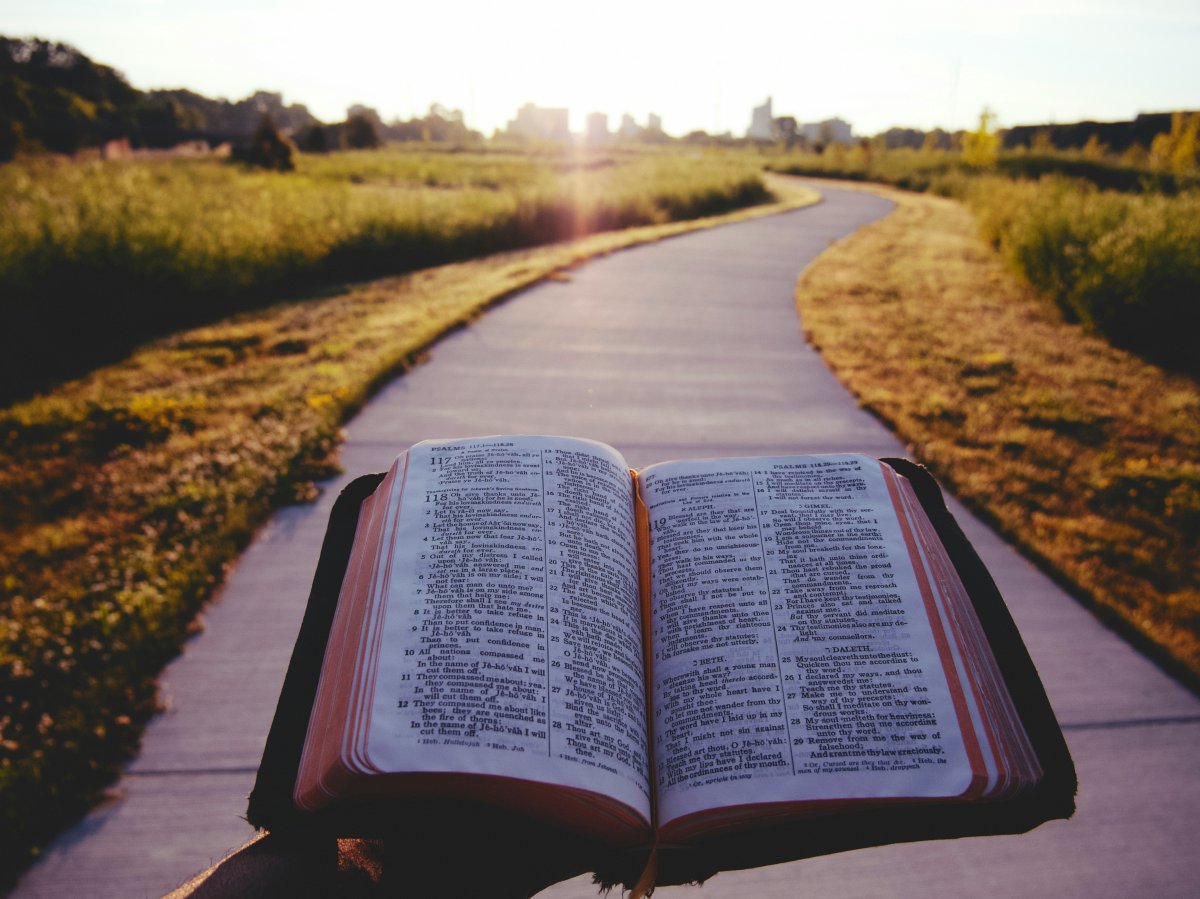
Approaching the Text
Before the first word is read, the student must recognize what they hold. These chapters are not mythology refined, nor are they primitive science. They are divine revelation accommodated to human understanding. They communicate transcendent realities through propositional truth. The approach here is to let the text speak, to allow its internal structures, its repeated phrases, and its precise vocabulary to dictate the interpretation. We submit to the text; the text does not submit to us.
PART ONE: THE HEXAËMERON - THE SIX DAYS OF CREATION (GENESIS 1:1-31)
CHAPTER 1, VERSE 1
"In the beginning, God created the heavens and the earth."
Phrase Analysis: "In the beginning" (Bereshit - בראשית)
This single Hebrew word, Bereshit, opens the canon. It is a construct phrase meaning "In the beginning of." It denotes a commencement of time, space, and matter simultaneously. It is absolute and undefined because it is the starting point of all definition. There is no "before" this beginning, because time itself began here. The definite article is absent, making it grammatically unique, emphasizing that this beginning is the beginning, the only one that matters. It implies that the universe is not eternal; it had a starting point, and that starting point was initiated from outside itself.
Phrase Analysis: "God" (Elohim - אלהים)
The name used here is Elohim. It is a plural noun, yet the verb "created" (bara) is in the singular masculine form. This grammatical construction (plural noun + singular verb) is unique and has been understood by students of the text throughout history to indicate a uni-plurality, a complexity within the Godhead that allows for later revelation of the Trinity. It speaks of majesty, power, and the fullness of the Divine. Elohim is the transcendent Creator, the sovereign Judge, the Almighty One. The name emphasizes His power and His separation from His creation.
Phrase Analysis: "Created" (Bara - ברא)
This verb, bara, is a theologically loaded term. In the Hebrew Bible, its subject is always God. It is never used of human activity. It signifies a creative act that is new, perfect, and effortless. It implies creation ex nihilo (out of nothing), as there is no material mentioned that God is working with. He speaks, and it is. Bara suggests the initiation of something absolutely new. It is used three times in this chapter: here (v. 1), in the creation of the great sea creatures (v. 21), and in the creation of mankind (v. 27). These three uses mark the major creative acts: the creation of the cosmos, the creation of animal life, and the creation of humanity.
Phrase Analysis: "The heavens and the earth" (Ha-shamayim ve-et ha-aretz - השמים ואת הארץ)
This is a merism, a figure of speech where two opposites are used to describe the whole. "Heavens" and "earth" together encompass everything that exists: the spiritual realm and the physical realm, the upper realms and the lower realms, the invisible and the visible. It is a comprehensive statement that God created the totality of all reality. Nothing exists that He did not bring into being.
Theological Conclusion of Verse 1:
Before the narrative of the six days begins, the text establishes the absolute sovereignty and transcendence of God. He is the uncreated Creator. The universe is not an accident; it is a deliberate act of a personal God. All subsequent revelation rests on this foundational truth.
VERSE 2
"Now the earth was formless and empty, darkness was over the surface of the deep, and the Spirit of God was hovering over the waters."
Phrase Analysis: "Now the earth was" (Ve-ha-aretz hayetah - והארץ היתה)
The construction moves from the absolute beginning to a specific focus on the earth. The verb "was" (hayetah) describes a state or condition. This is not describing a different creation or a gap, but the initial condition of the earth immediately following the act of creation in verse one. It was the raw material, so to speak, awaiting the forming and filling that God would do over the next six days.
Phrase Analysis: "Formless and empty" (Tohu va-vohu - תהו ובהו)
These two rhyming Hebrew words are crucial. Tohu means formlessness, a wasteland, a place not yet ordered. Vohu (which appears only in conjunction with tohu) means emptiness, a void. Together, they describe the earth as unshaped and uninhabited. It was not chaotic in a negative sense, but incomplete. It was raw potential. The prophet Isaiah later uses these words to describe a state of judgment (Isaiah 34:11), but here it is the neutral starting point for God's creative ordering.
Phrase Analysis: "Darkness was over the surface of the deep" (Ve-choshech al-penei tehom - וחשך על־פני תהום)
"Darkness" (choshech) is not an evil entity; it is simply the absence of light. It is the natural state of the unilluminated. "The deep" (tehom) evokes the primordial ocean, a vast, watery abyss. This word is linguistically related to the Babylonian Tiamat, the goddess of chaos, but the Hebrew text completely demythologizes it. Here, tehom is simply a part of God's creation, not a rival deity. It is deep water, nothing more. There is no cosmic battle; God is sovereign over the deep.
Phrase Analysis: "And the Spirit of God was hovering" (Ve-ruach Elohim merachefet - ורוח אלהים מרחפת)
Ruach can mean wind, breath, or spirit. Here, it is the Spirit of God, the third person of the Trinity, actively present in creation. The verb "hovering" (merachefet) is rare and evocative. It is used in Deuteronomy 32:11 of an eagle "stirring up its nest" and "hovering" over its young. It implies a dynamic, life-giving, protective presence. The Spirit is not idle; He is actively preparing to bring order and life out of the formless void. He is the agent of preservation and the power behind the life that is about to spring forth.
Theological Conclusion of Verse 2:
The Trinity is implicitly present at creation: God the Father (Elohim) is the source and speaker; the Spirit of God is the active, hovering presence; and as the next verses show, God speaks the Word, who is later revealed as the Son (John 1:1-3). The earth is ready to be shaped and filled by the Triune God.
VERSES 3-5: THE FIRST DAY
"And God said, 'Let there be light,' and there was light. God saw that the light was good, and he separated the light from the darkness. God called the light 'day,' and the darkness he called 'night.' And there was evening, and there was morning—the first day."
Verse 3 - Phrase Analysis: "And God said" (Va-yomer Elohim - ויאמר אלהים)
This phrase introduces a pattern that will be repeated nine more times in this chapter. God creates by fiat, by divine decree. His word is not descriptive; it is performative. It accomplishes what it declares. This establishes the authority and power of divine speech. The Word of God is the agent of creation (Psalm 33:6, "By the word of the LORD the heavens were made").
Verse 3 - Phrase Analysis: "Let there be light" (Yehi or - יהי אור)
The first command is for light. This is significant because the light-bearers (sun, moon) are not created until the fourth day. This light, therefore, originates directly from God. It is the first act of ordering, dispelling the darkness of verse 2. It is light unmediated by any celestial object. This light is a picture of God's own essence, for God is light (1 John 1:5).
Verse 4 - Phrase Analysis: "God saw that the light was good" (Va-yar Elohim et-ha-or ki tov - וירא אלהים את־האור כי־טוב)
This is the first of seven declarations of "good" in the creation account. God evaluates His work and finds it pleasing and perfect. The word "good" (tov) implies more than just moral goodness; it carries the sense of functional perfection, beauty, and appropriateness for its purpose. The light is exactly as it should be.
Verse 4 - Phrase Analysis: "He separated the light from the darkness" (Va-yavdel Elohim bein ha-or u-vein ha-choshech - ויבדל אלהים בין האור ובין החשך)
This is the first act of separation in Scripture. God is an orderer, a distinguisher. He creates categories. This separation is not an elimination of darkness, but a distinction between two realms. This establishes the rhythm of day and night. It is a creative act of organization.
Verse 5 - Phrase Analysis: "God called" (Va-yikra Elohim - ויקרא אלהים)
Naming, in the ancient Hebrew mind, is an act of sovereignty and definition. By naming the light "day" and the darkness "night," God exercises His lordship over them. He defines their identity and their function. They are not independent entities; they are named by their Creator.
Verse 5 - Phrase Analysis: "And there was evening, and there was morning—the first day" (Va-yehi erev va-yehi voker yom echad - ויהי־ערב ויהי־בקר יום אחד)
This formula concludes each day of creation. The day is measured from evening to morning, a pattern that will be enshrined in the Hebrew reckoning of days (from sunset to sunset). This sequence is not accidental. It suggests that each creative period begins in darkness (evening) and moves toward the light (morning). The ordinal "first" (echad) is used, which can also mean "one" as in unique. It marks the beginning of time's march.
VERSES 6-8: THE SECOND DAY
"And God said, 'Let there be a vault between the waters to separate water from water.' So God made the vault and separated the water under the vault from the water above it. And it was so. God called the vault 'sky.' And there was evening, and there was morning—the second day."
Verse 6 - Phrase Analysis: "Let there be a vault" (Yehi raqia - יהי רקיע)
The word raqia comes from a root meaning "to spread out" or "to hammer out," like a metalworker beating a plate into a thin sheet. It conveys the idea of an expanse, a firmament, a stretched-out space. This vault is what we call the sky or atmosphere. It is a solid-seeming structure that holds back the waters above.
Verse 6 - Phrase Analysis: "To separate water from water" (Lehavdil bein mayim la-mayim - להבדיל בין מים למים)
The second act of separation divides the primordial waters. The "waters above" are held in suspension by this vault, becoming the source of rain and precipitation. The "waters below" remain on the earth, as oceans, seas, and lakes. This creates the atmospheric environment necessary for life.
Verse 7 - Phrase Analysis: "And it was so" (Va-yehi chen - ויהי־כן)
This phrase confirms the absolute efficacy of God's word. What He commands instantly becomes reality. There is no gap between decree and fulfillment.
Verse 8 - Phrase Analysis: "The second day" (Yom sheni - יום שני)
Notably, the text does NOT say "God saw that it was good" at the end of the second day. This omission has been the subject of much discussion. It may be because the work of the second day is not yet complete; it is a work of separation that sets the stage for the filling that will occur on days five and when the waters above and below are populated. The "goodness" is in the totality, and here the work is preparatory.
VERSES 9-13: THE THIRD DAY
"And God said, 'Let the water under the sky be gathered to one place, and let dry ground appear.' And it was so... God called the dry ground 'land,' and the gathered waters he called 'seas.' And God saw that it was good. Then God said, 'Let the land produce vegetation...' And it was so... And God saw that it was good."
Verse 9 - Phrase Analysis: "Let the water under the sky be gathered" (Yikavu ha-mayim mitachat ha-shamayim el-makom echad - יקוו המים מתחת השמים אל־מקום אחד)
God commands the waters below to gather into one place. This is the third act of separation, creating boundaries for the seas and allowing the dry land to emerge. The verb "be gathered" implies a passive obedience of creation to the Creator's voice.
Verse 10 - Phrase Analysis: "God called the dry ground 'land'... the gathered waters he called 'seas'" (Va-yikra Elohim la-yabashah eretz u-le-mikveh ha-mayim kara yamim - ויקרא אלהים ליבשה ארץ ולמקוה המים קרא ימים)
Again, God names His creation, establishing His authority. "Land" (eretz) and "seas" (yamim) are defined. The text then explicitly states for the first time since verse 4, "God saw that it was good." The formed land is good.
Verse 11 - Phrase Analysis: "Let the land produce vegetation" (Tadshe ha-aretz deshe - תדשא הארץ דשא)
The land is now not only formed but also given the power to produce. God commands the earth to bring forth plant life. This is the first time creation is called upon to participate in the creative process. The earth becomes the agent, but only because God has empowered it to do so.
Verse 11 - Phrase Analysis: "According to their kinds" (Le-mino - למינו)
This phrase is repeated for plants (v. 11-12), sea creatures (v. 21), and land animals (v. 24-25). It establishes the principle of fixed biological boundaries. Each kind reproduces after its own kind. There is order, design, and stability built into the genetic code of living things. It is not a rigid, unchangeable fixity, but a divinely ordained boundary within which variation can occur.
Verse 12 - Phrase Analysis: "The land produced vegetation" (Va-totze ha-aretz deshe - ותוצא הארץ דשא)
The earth obeys the command. It brings forth life. The cycle of seed-bearing plants and fruit trees is established, ensuring the perpetuation of life.
VERSES 14-19: THE FOURTH DAY
"And God said, 'Let there be lights in the vault of the sky to separate the day from the night, and let them serve as signs to mark sacred times, and days and years...' And it was so. God made two great lights... He also made the stars. God set them in the vault of the sky to give light on the earth... And God saw that it was good."
Verse 14 - Phrase Analysis: "Let there be lights" (Yehi me'orot - יהי מארת)
The Hebrew word for lights here is me'orot, from the same root as or (light) in verse 3. These are light-bearers, luminaries. They are distinct from the light itself, which God created on day one. They are physical objects that will now mediate and govern that light.
Verse 14 - Phrase Analysis: "To separate the day from the night" (Lehavdil bein ha-yom u-vein ha-laylah - להבדיל בין היום ובין הלילה)
This is the fourth act of separation, reinforcing the distinction between day and night established on day one, now governed by celestial bodies.
Verse 14 - Phrase Analysis: "Signs to mark sacred times, and days and years" (Ve-hayu le-otot u-le-mo'adim u-le-yamim ve-shanim - והיו לאתת ולמועדים ולימים ושנים)
This verse gives the function of the sun, moon, and stars. They are not just for light. They are for "signs" (otot), which can mean indicators, warnings, or reminders. They are for "sacred times" (mo'adim), which refers to appointed festivals and holy days. They are for marking the passage of days and years. This establishes a calendar for worship and for agriculture, tying the rhythms of life to the celestial order God has created.
Verse 16 - Phrase Analysis: "God made two great lights" (Va-ya'as Elohim et-shnei ha-me'orot ha-gedolim - ויעש אלהים את־שני המארת הגדלים)
The text deliberately demythologizes the sun and moon. It does not use their Hebrew names (shemesh and yareach), which were also the names of pagan deities. Instead, it calls them the "greater light" and the "lesser light." This is a polemic against ancient Near Eastern sun and moon worship. They are not gods; they are creations of Yahweh, simply lights in the sky.
Verse 16 - Phrase Analysis: "He also made the stars" (Ve-et ha-kokhavim - ואת הכוכבים)
This seemingly casual addition is profound. The stars, which filled ancient peoples with awe and were often objects of worship, are mentioned almost as an afterthought. They are part of God's creation, but they are not the focus. God's attention is on the earth and on humanity.
VERSES 20-23: THE FIFTH DAY
"And God said, 'Let the water teem with teeming living creatures, and let birds fly above the earth across the vault of the sky.' So God created the great sea creatures and every living thing that moves... according to their kinds... And God saw that it was good. God blessed them, saying, 'Be fruitful and increase in number and fill the water in the seas, and let the birds increase on the earth.'"
Verse 20 - Phrase Analysis: "Let the water teem with teeming living creatures" (Yishretzu ha-mayim sheretz nefesh chayah - ישרצו המים שרץ נפש חיה)
The repetition of the root sharatz (teem/teeming) emphasizes abundance and proliferation. The waters are commanded to swarm with life. These are "living creatures" (nefesh chayah), a phrase that denotes animate, breathing life. This same phrase will be used for Adam in 2:7.
Verse 21 - Phrase Analysis: "God created the great sea creatures" (Va-yivra Elohim et-ha-tanninim ha-gedolim - ויברא אלהים את־התנינם הגדלים)
For the second time, the verb bara is used. This emphasizes the special, divine origin of these creatures. The "great sea creatures" (tanninim) were often symbols of chaos and evil in ancient mythology (like the Leviathan). Here, they are simply creatures God made, and He declares them "good." This is a powerful assertion of God's sovereignty over all things, even those that humans might fear.
Verse 22 - Phrase Analysis: "God blessed them" (Va-yevarech otam Elohim - ויברך אתם אלהים)
This is the first occurrence of blessing in Scripture. God blesses the creatures of the sea and air with the ability and command to reproduce. The blessing is the divine empowerment to fulfill their created purpose: to fill the earth.
VERSES 24-25: THE SIXTH DAY (PART ONE)
"And God said, 'Let the land produce living creatures according to their kinds: the livestock, the creatures that move along the ground, and the wild animals.' And it was so... And God saw that it was good."
Verse 24 - Phrase Analysis: "Let the land produce living creatures" (Totze ha-aretz nefesh chayah - תוצא הארץ נפש חיה)
As with the plants on day three, the land is now commanded to bring forth animal life. The categories are given: livestock (behemah - domesticated animals), creeping things (remes - small ground-dwelling creatures), and wild animals (chayto-eretz - untamed beasts). All are "according to their kinds."
VERSES 26-28: THE SIXTH DAY (PART TWO) - THE CREATION OF MAN
"Then God said, 'Let us make mankind in our image, in our likeness, so that they may rule...' So God created mankind in his own image, in the image of God he created them; male and female he created them. God blessed them and said to them, 'Be fruitful and increase in number; fill the earth and subdue it. Rule over...'"
Verse 26 - Phrase Analysis: "Let us make" (Na'aseh adam - נעשה אדם)
The plural "us" has been interpreted in various ways. It is not a "plural of majesty" (which was rare in ancient Hebrew). It is most naturally understood as a deliberation within the Godhead. The Father speaks to the Son and the Spirit (cf. Genesis 11:7, Isaiah 6:8). This verse hints at the Trinitarian nature of God and underscores the unique importance of the act about to take place.
Verse 26 - Phrase Analysis: "Mankind" (Adam - אדם)
The Hebrew word adam is used here. It is a generic term for humanity, not a proper name (yet). It is related to adamah (ground), foreshadowing man's origin and his connection to the earth. The collective noun suggests that humanity is being created as a species, a race.
Verse 26 - Phrase Analysis: "In our image, in our likeness" (Be-tzalmenu ki-demutenu - בצלמנו כדמותנו)
These two words, tselem (image) and demut (likeness), are distinct but related. Tselem refers to a concrete representation, a statue or a replica. It speaks of function and representation. Demut speaks of resemblance and similarity. Together, they convey that humanity is created to be God's representative on earth. We are not God, but we are like Him in ways that nothing else is. The image includes:
Rationality: The ability to think, reason, and communicate.
Morality: An innate sense of right and wrong, a conscience.
Relationality: The capacity for love, fellowship, and covenant relationship with God and others.
Creativity: The ability to create, build, and cultivate.
Dominion: The authority to rule over creation as God's vice-regents.
Verse 27 - Phrase Analysis: "So God created mankind in his own image" (Va-yivra Elohim et-ha-adam be-tzalmo - ויברא אלהים את־האדם בצלמו)
For the third time, bara is used. The creation of humanity is a distinct, divine act. It is not an afterthought or an evolution from animals. It is a direct, special creation.
Verse 27 - Phrase Analysis: "Male and female he created them" (Zachar u-nekevah bara otam - זכר ונקבה ברא אתם)
This is a crucial parallel. The image of God is not fully expressed in a solitary individual. It is expressed in the complementary relationship of male and female. Both are equally created in the image of God. Both bear the divine stamp. Their differentiation is part of the goodness of creation. The words "male" (zakar, from a root meaning "to remember" or "to pierce") and "female" (nekevah, from a root meaning "perforated" or "distinct") suggest distinction and complementarity.
Verse 28 - Phrase Analysis: "God blessed them" (Va-yevarech otam Elohim - ויברך אתם אלהים)
The blessing of fruitfulness, first given to the animals, is now given to humanity, but with an expanded mandate.
Verse 28 - Phrase Analysis: "Be fruitful and increase in number; fill the earth and subdue it. Rule over..." (Peru u-revu u-mil'u et-ha-aretz ve-khivshuhah u-redu... - פרו ורבו ומלאו את־הארץ וכבשה ורדו...)
This is the Cultural Mandate. It has four key verbs:
"Be fruitful" (peru) : The command to procreate, to produce offspring.
"Increase in number" (revu) : To multiply, to become numerous.
"Fill the earth" (mil'u) : To populate the entire planet with God's image-bearers.
"Subdue it" (khivshuhah) : This verb implies bringing something under its intended order. It is not a license for exploitation, but a command to harness the earth's resources for good, to cultivate and develop it.
"Rule over" (redu) : This verb implies stewardship, governance, and care. It is a kingly responsibility, but one exercised under the authority of the Great King. Humanity is to manage creation on God's behalf.
VERSES 29-31: THE PROVISION AND THE FINAL PRONOUNCEMENT
"Then God said, 'I give you every seed-bearing plant... and every tree that has fruit with seed in it. They will be yours for food...' God saw all that he had made, and it was very good. And there was evening, and there was morning—the sixth day."
Verse 29 - Phrase Analysis: "I give you" (Hineh natati lachem - הנה נתתי לכם)
God is the generous provider. He gives the plants for food. This establishes the original diet as plant-based, suggesting a state of peace and non-violence in the animal kingdom as well (as implied by the lack of mention of meat-eating).
Verse 31 - Phrase Analysis: "It was very good" (Tov me'od - טוב מאוד)
After the sixth day, God surveys the entirety of His creation. The evaluation is not just "good," but "very good" (tov me'od). This is the ultimate divine stamp of approval. There is no flaw, no defect, no sin, no death, no decay. Everything is exactly as it should be, operating in perfect harmony according to the Creator's design.
PART TWO: THE SABBATH AND THE SECOND ACCOUNT (GENESIS 2:1-25)
CHAPTER 2, VERSES 1-3: THE SEVENTH DAY - THE SANCTIFICATION OF TIME
"Thus the heavens and the earth were completed in all their vast array. By the seventh day God had finished the work he had been doing; so on the seventh day he rested from all his work. Then God blessed the seventh day and made it holy, because on it he rested from all the work of creating that he had done."
Verse 1 - Phrase Analysis: "Were completed" (Va-yechulu - ויכלו)
The verb carries the sense of being finished, brought to completion, and perfected. The work of creation is done. Nothing can be added to it.
Verse 2 - Phrase Analysis: "He rested" (Va-yishbot - וישבת)
The Hebrew verb shavat is the origin of the word "Sabbath." It does not mean rest due to fatigue, but cessation from labor. God stops creating because His work is finished. This rest is an active enjoyment and delight in the completed work.
Verse 3 - Phrase Analysis: "God blessed the seventh day and made it holy" (Va-yevarech Elohim et-yom ha-shevi'i va-yekadesh oto - ויברך אלהים את־יום השביעי ויקדש אתו)
This is a unique act. God does not bless a thing (like the animals or humanity) or a place. He blesses a unit of time. He makes it holy (kadosh), which means to set it apart for a sacred purpose. The seventh day is different. It belongs to God. This establishes the rhythm of the Sabbath for humanity—a pattern of six days of work and one day of rest, a day to cease from labor and delight in God and His creation.
VERSE 4: THE TOLEDOT FORMULA
"This is the account of the heavens and the earth when they were created, when the Lord God made the earth and the heavens."
Phrase Analysis: "This is the account" (Elle toledot - אלה תולדות)
The word toledot means "generations," "descendants," or "account." It is a structural marker used throughout Genesis to introduce a new section. It signals that what follows is not a separate creation account, but a detailed expansion, a "begetting" of the narrative, focusing specifically on what happened next, with a special emphasis on the creation of man and woman.
Phrase Analysis: "The Lord God" (Yahweh Elohim - יהוה אלהים)
For the first time, the personal, covenant name of God, Yahweh (LORD), is combined with Elohim. This is significant. Yahweh is the God who reveals Himself, who enters into relationship, who makes and keeps covenants. By using the compound name Yahweh Elohim, the text is emphasizing that the transcendent Creator (Elohim) is also the personal, immanent, covenant-keeping God (Yahweh) who is about to engage intimately with His creation, particularly with the man and woman.
VERSES 5-6: THE PREPARATION
"Now no shrub had yet appeared on the earth and no plant had yet sprung up, for the Lord God had not sent rain on the earth and there was no one to work the ground, but streams came up from the earth and watered the whole surface of the ground."
Verse 5 - Phrase Analysis: "No one to work the ground" (Adam la-avod et-ha-adamah - אדם לעבד את־האדמה)
This verse highlights the connection between adam (man) and adamah (ground). God's design includes humanity as a partner in tending the earth. The vegetation had not yet appeared in its cultivated form because the two necessary components were missing: rain and a human cultivator. God's plan always included man as a worker.
Verse 6 - Phrase Analysis: "Streams came up from the earth" (Ve-ed ya'aleh min-ha-aretz - ואד יעלה מן־הארץ)
The word ed is rare and may refer to an underground fresh-water source, a mist, or a spring that irrigated the land. This shows God's provision for the earth even before the creation of man, setting the stage for the planting of a special garden.
VERSE 7: THE FORMATION OF MAN
"Then the Lord God formed a man from the dust of the ground and breathed into his nostrils the breath of life, and the man became a living being."
Verse 7 - Phrase Analysis: "Formed" (Va-yitzer - וייצר)
The verb yatsar is the word for a potter shaping clay (cf. Jeremiah 18:2-6). It is a much more intimate, hands-on word than bara. It portrays God as a skilled artisan, carefully and deliberately shaping the man. This emphasizes the personal, intentional nature of man's creation.
Verse 7 - Phrase Analysis: "From the dust of the ground" (Afar min-ha-adamah - עפר מן־האדמה)
Man's physical origin is humble, common dust. This connects him to the earth and establishes his mortality. He is fragile, dependent, and earthy.
Verse 7 - Phrase Analysis: "Breathed into his nostrils the breath of life" (Va-yipach be-apav nishmat chayim - ויפח באפיו נשמת חיים)
This is the most intimate act in all of creation. God does not speak man into existence from a distance. He bends down and personally breathes His own life-breath into the inert form. The word nishmat (breath) is a more personal word than ruach. It is the breath of lives (plural in Hebrew). This divine inbreathing is what makes man a "living being" (nefesh chayah). While animals are also called nefesh chayah, only man receives his life directly from the breath of God. This act establishes the unique dignity and value of every human life. The body (dust) and spirit (divine breath) are united to form a living soul.
VERSES 8-14: THE PLANTING OF THE GARDEN
"Now the Lord God had planted a garden in the east, in Eden; and there he put the man he had formed. The Lord God made all kinds of trees grow out of the ground—trees that were pleasing to the eye and good for food. In the middle of the garden were the tree of life and the tree of the knowledge of good and evil."
Verse 8 - Phrase Analysis: "Planted a garden" (Va-yita gan - ויטע גן)
God is portrayed as a gardener. He plants a special, enclosed space—a garden. The word "garden" (gan) evokes a protected, cultivated, and beautiful place. It is a sanctuary, a sacred space where God and man can dwell together.
Verse 8 - Phrase Analysis: "In the east, in Eden" (Be-eden mi-kedem - בעדן מקדם)
"Eden" means "delight" or "pleasure." The garden is a place of delight. "In the east" locates it geographically, connecting this narrative to the real world.
Verse 9 - Phrase Analysis: "Pleasing to the eye and good for food" (Nechemad le-mar'eh ve-tov le-ma'achal - נחמד למראה וטוב למאכל)
The garden is not merely functional; it is aesthetically beautiful. God cares about beauty. He creates a world that is not just useful, but delightful to the senses.
Verse 9 - Phrase Analysis: "The tree of life" (Etz ha-chayim - עץ החיים)
This tree represents the gift of eternal, unbroken life in fellowship with God. To eat of it is to live forever. It is a sacramental tree, a means of grace.
Verse 9 - Phrase Analysis: "The tree of the knowledge of good and evil" (Etz ha-da'at tov va-ra - עץ הדעת טוב ורע)
This tree is the test of obedience. "Knowledge" (da'at) here is not merely intellectual awareness, but experiential knowledge and the authority to define. To eat of this tree is to claim for oneself the right to determine what is good and what is evil, a prerogative that belongs to God alone. It is the tree of moral autonomy.
Verses 10-14 detail the four rivers that flow out of Eden (Pishon, Gihon, Tigris, Euphrates). This geographical information connects the garden to the known world and emphasizes that Eden was the source of life and fertility for the entire region. The mention of gold, bdellium, and onyx stone in the lands surrounding these rivers (Havilah) suggests that the world outside the garden, while not the garden itself, was still rich and valuable.
VERSES 15-17: THE COVENANT OF WORKS
"The Lord God took the man and put him in the Garden of Eden to work it and take care of it. And the Lord God commanded the man, 'You are free to eat from any tree in the garden; but you must not eat from the tree of the knowledge of good and evil, for when you eat from it you will certainly die.'"
Verse 15 - Phrase Analysis: "To work it and take care of it" (Le-ovdah u-le-shomrah - לעבדה ולשמרה)
This phrase is loaded with meaning. Le-ovdah (to work it) is the same verb used for serving God. U-le-shomrah (to take care of it, to keep it) is the same verb used for keeping God's commandments. Man's work in the garden is a form of worship and obedience. He is a priest in God's sanctuary, tasked with tending and guarding it. Work is not a curse; it is a holy calling.
Verse 16 - Phrase Analysis: "You are free to eat" (Akhol tokhel - אכל תאכל)
The Hebrew uses the infinitive absolute for emphasis: "Eating you may eat." This underscores the lavish generosity of God. The command begins with freedom and abundance, not restriction. Man is surrounded by permission.
Verse 17 - Phrase Analysis: "But you must not eat" (U-me-etz ha-da'at tov va-ra lo tokhel mimenu - ומעץ הדעת טוב ורע לא תאכל ממנו)
The single prohibition is clear and direct. It is the boundary of the covenant. Obedience is the path to life.
Verse 17 - Phrase Analysis: "For when you eat from it you will certainly die" (Ki be-yom akhelcha mimenu mot tamut - כי ביום אכלך ממנו מות תמות)
Again, the infinitive absolute is used: "dying you will die." The consequence is certain and sure. This death is not merely physical cessation, but spiritual separation from God, the source of life. It includes the immediate spiritual death (separation from God), the progressive physical death (the body begins to decay), and ultimately eternal death (separation from God forever) if not for grace. The phrase "in the day" indicates that the moment he eats, he enters the realm of death.
VERSES 18-20: THE NEED FOR A HELPER
"The Lord God said, 'It is not good for the man to be alone. I will make a helper suitable for him.'... So the man gave names to all the livestock... But for Adam no suitable helper was found."
Verse 18 - Phrase Analysis: "It is not good" (Lo tov - לא טוב)
This is the first and only "not good" in the creation narrative. In a world pronounced "very good," the man's aloneness is a deficiency that God Himself identifies and moves to correct. This underscores the fundamentally relational nature of humanity. We are made for community.
Verse 18 - Phrase Analysis: "A helper suitable for him" (Ezer ke-negdo - עזר כנגדו)
This phrase is profound. Ezer (helper) is often used of God in Scripture (e.g., "God is our help"). It implies strength, support, and essential aid. It does not imply inferiority. Ke-negdo means "like opposite him," "corresponding to him." It suggests a counterpart who is equal in essence, yet different in form and function; one who complements and completes him. The phrase implies a relationship of equality and mutual correspondence.
Verse 19 - Phrase Analysis: "The man gave names" (Va-yikra ha-adam shemot - ויקרא האדם שמות)
Adam's naming of the animals is an exercise of his God-given authority and his intellectual capacity. He studies them and assigns them identities. This act also demonstrates his uniqueness and superiority over the animals.
Verse 20 - Phrase Analysis: "No suitable helper was found" (U-le-adam lo matza ezer ke-negdo - ולאדם לא מצא עזר כנגדו)
The process of naming the animals served a purpose. It showed Adam, by contrast, his own uniqueness. He could look at every pair of animals and see that none of them was like him. This deepens his awareness of his need and prepares him to receive the gift of the woman with joy and recognition.
VERSES 21-25: THE CREATION OF WOMAN AND THE INSTITUTION OF MARRIAGE
"So the Lord God caused the man to fall into a deep sleep; and while he was sleeping, he took one of the man's ribs and then closed up the place with flesh. Then the Lord God made a woman from the rib he had taken out of the man, and he brought her to the man."
Verse 21 - Phrase Analysis: "A deep sleep" (Tardemah - תרדמה)
This is not just ordinary sleep. It is a divinely induced state, a deep unconsciousness. It emphasizes that what is about to happen is entirely God's work. Adam is passive; he does not participate in the creation of the woman. She is a pure gift from God.
Verse 21 - Phrase Analysis: "One of the man's ribs" (Achat mi-tzalotav - אחת מצלעתיו)
The Hebrew word tsela can mean rib, side, or chamber. The traditional translation of "rib" is appropriate. God takes a part of the man's side. The symbolism is powerful. She is not taken from his head to rule him, nor from his feet to be trampled by him, but from his side, near his heart, to be his equal, his companion, and his beloved.
Verse 22 - Phrase Analysis: "Made" (Va-yiven - ויבן)
The verb used here is banah, which means "to build." God "builds" the woman from the rib. It suggests a careful, intentional construction, creating something beautiful and structurally sound.
Verse 22 - Phrase Analysis: "Brought her to the man" (Va-yevi'eha el ha-adam - ויבאה אל־האדם)
This is the first wedding ceremony. God Himself acts as the father of the bride, personally presenting the woman to the man. It is a moment of profound intimacy and divine blessing.
Verse 23 - Phrase Analysis: "Bone of my bones and flesh of my flesh" (Zot ha-pa'am etzem me-atzamai u-vasar mi-besari - זאת הפעם עצם מעצמי ובשר מבשרי)
Adam's response is the first recorded human speech. It is an exclamation of joyful recognition and acceptance. "This is now" (literally, "this time") suggests he has been waiting, looking, and now the search is over. She is his equal, his counterpart, his other self. He names her:
Verse 23 - Phrase Analysis: "Woman" (Ishshah - אשה)
Adam calls her ishshah because she was taken out of ish (man). This naming is not one of authority, but of identity. He is acknowledging their shared origin and essential unity.
Verse 24 - Phrase Analysis: "Therefore a man shall leave his father and mother and be united to his wife, and they shall become one flesh."
This verse is a divine commentary, establishing the pattern for marriage for all humanity. It has three elements:
"Leave" (ya'azov) : This implies a reordering of primary loyalty. The new marital bond takes priority over the bond to parents. It is a psychological, social, and emotional departure to form a new family unit.
"Be united" (ve-davak) : This word means to cling, to cleave, to be glued together. It speaks of a permanent, covenant commitment, a bond that is not easily broken. It is a deep, loyal, and faithful union.
"One flesh" (le-vasar echad) : This is more than physical union. It signifies a profound, holistic oneness—a new, indivisible entity formed by the covenant union. They remain two persons, but they are now one in heart, purpose, and life.
Verse 25 - Phrase Analysis: "Naked and felt no shame" (Arumim ve-lo yitboshashu - ערומים ולא יתבששו)
This verse describes the state of original innocence and perfect harmony. There is complete vulnerability and transparency with no fear of exploitation or judgment. They are naked before each other and before God, and there is no shame. This is the state of "very good" humanity living in unbroken fellowship. The wordplay with "crafty" (arum) in 3:1 is striking. The serpent is arum (crafty/shrewd), while they are arumim (naked), setting up the contrast between their innocence and his cunning.
PART THREE: THE TEMPTATION AND THE FALL (GENESIS 3:1-7)
VERSE 1: THE SERPENT'S APPROACH
"Now the serpent was more crafty than any of the wild animals the Lord God had made. He said to the woman, 'Did God really say, 'You must not eat from any tree in the garden'?'"
Verse 1 - Phrase Analysis: "The serpent" (Ha-nachash - הנחש)
The serpent is introduced as a creature that God made. It is not an eternal evil principle, but a part of the created order that has been seized and used by a higher power—Satan, the Adversary (later identified in Revelation 12:9 as "that ancient serpent called the devil"). The text focuses on the instrument, but the power behind it is the enemy of God and man.
Verse 1 - Phrase Analysis: "More crafty" (Arum - ערום)
This is the same root as "naked" (arumim) in 2:25. There is a wordplay: they are naked (arumim), and he is crafty (arum). His cunning is a perversion of wisdom, a shrewdness turned toward evil. He is intelligent but malevolent.
Verse 1 - Phrase Analysis: "He said to the woman" (Va-yomer el-ha-ishah - ויאמר אל־האשה)
The serpent approaches the woman. There is much speculation as to why, but the text simply presents it as a fact. He does not approach them together, but targets one individually.
Verse 1 - Phrase Analysis: "Did God really say...?" (Af ki-amar Elohim - אף כי־אמר אלהים)
The serpent's opening gambit is a question designed to sow doubt. His words are a subtle misquote. God had said, "You are free to eat from any tree" (2:16). The serpent's question implies a God who restricts: "Did God really say you must not eat from any tree?" He paints God as stingy and oppressive, inviting the woman to question His goodness. The first attack is on the character of God.
VERSES 2-3: THE WOMAN'S RESPONSE
"The woman said to the serpent, 'We may eat fruit from the trees in the garden, but God did say, 'You must not eat fruit from the tree that is in the middle of the garden, and you must not touch it, or you will die.'"
Verse 2 - Phrase Analysis: "We may eat" (Mi-pri etz ha-gan nokhel - מפרי עץ הגן נאכל)
The woman's initial response is correct. She affirms God's provision.
Verse 3 - Phrase Analysis: "You must not touch it" (Lo tig'u bo - לא תגעו בו)
Here is the first sign that the serpent's poison is working. God did not say anything about not touching the fruit. The woman has added to God's command. This addition may be an attempt to build a "fence" around the law, but it also reveals that she is already viewing the command more negatively than God intended. The command is becoming a burden rather than a protection.
VERSES 4-5: THE DIRECT CONTRADICTION
"'You will not certainly die,' the serpent said to the woman. 'For God knows that when you eat from it your eyes will be opened, and you will be like God, knowing good and evil.'"
Verse 4 - Phrase Analysis: "You will not certainly die" (Lo mot temutun - לא מות תמתון)
The serpent now directly and flatly contradicts God. God said, "You will certainly die." The serpent says, "You will not certainly die." This is the essence of unbelief: calling God a liar. The serpent accuses God of falsehood to make his own lie seem true.
Verse 5 - Phrase Analysis: "For God knows" (Ki yodea Elohim - כי ידע אלהים)
The serpent impugns God's motives. He suggests that the prohibition is not for the couple's good, but because God is jealous and insecure. God is not protecting them; He is holding out on them.
Verse 5 - Phrase Analysis: "You will be like God" (Vi-heyitem ke-Elohim - והייתם כאלהים)
This is the bait. The serpent promises that eating the fruit will give them what God has. It is the temptation to autonomy, to self-deification. The desire is to be the master of one's own destiny, to define good and evil for oneself, independent of the Creator. This is the essence of all sin: the creature wanting to be the Creator.
VERSE 6: THE THREE-FOLD TEMPTATION AND THE ACT OF DISOBEDIENCE
"When the woman saw that the fruit of the tree was good for food and pleasing to the eye, and also desirable for gaining wisdom, she took some and ate it. She also gave some to her husband, who was with her, and he ate it."
Verse 6 - Phrase Analysis: "The woman saw" (Va-tere ha-ishah - ותרא האשה)
The verb "saw" here is significant. She is now evaluating the tree based on her own perception, not on God's word. Her senses and desires become the arbiter of truth.
Verse 6 - Phrase Analysis: "Good for food" (Tov ha-etz le-ma'achal - כי טוב העץ למאכל)
This corresponds to "the lust of the flesh" (1 John 2:16). It is the physical appetite, the desire for what feels good.
Verse 6 - Phrase Analysis: "Pleasing to the eye" (Ve-chi ta'avah hu la-einayim - וכי תאוה־הוא לעינים)
This corresponds to "the lust of the eyes." It is the aesthetic desire, the craving for what looks beautiful and desirable. It is covetousness, wanting what one sees.
Verse 6 - Phrase Analysis: "Desirable for gaining wisdom" (Ve-nechmad ha-etz le-haskil - ונחמד העץ להשכיל)
This corresponds to "the pride of life." It is the desire for status, power, and knowledge that elevates oneself. It is the pride that says, "I can be like God."
Verse 6 - Phrase Analysis: "She took... and ate" (Va-tikach mi-piryo va-tochal - ותקח מפריו ותאכל)
The act of disobedience is simple and final. She takes and eats. She crosses the line.
Verse 6 - Phrase Analysis: "She also gave some to her husband, who was with her, and he ate it" (Va-titen gam le-ishah imah va-yochal - ותתן גם־לאישה עמה ויאכל)
This is a critical detail. Adam was with her. He was not deceived (1 Timothy 2:14). He knew exactly what was happening. He was not led astray by the serpent's lies; he chose to join his wife in rebellion rather than intervene and protect. His sin is one of passive abdication and active disobedience. He chooses his wife over his God. The Fall is a joint act, but both are fully responsible.
VERSE 7: THE IMMEDIATE CONSEQUENCES
"Then the eyes of both of them were opened, and they realized they were naked; so they sewed fig leaves together and made coverings for themselves."
Verse 7 - Phrase Analysis: "The eyes of both of them were opened" (Va-tipakachnah einei shneihem - ותפקחנה עיני שניהם)
The serpent's promise was partially fulfilled. Their eyes were opened, but not to the glorious, godlike state they imagined. They were opened to shame, guilt, and alienation. They now have a "knowledge" of good and evil, but it is a knowledge stained by sin and experienced through the pain of separation.
Verse 7 - Phrase Analysis: "They realized they were naked" (Va-yedu ki eiromim hem - וידעו כי עירמם הם)
The Hebrew wordplay is now complete. They were arumim (naked) and innocent. Now they are still arumim (naked), but they are filled with shame. Their innocence is gone. The first result of sin is a rupture in their relationship with themselves and each other.
Verse 7 - Phrase Analysis: "They sewed fig leaves together" (Va-yitperu aleh te'enah - ויתפרו עלה תאנה)
This is the first human religious act. It is man's attempt to cover his own sin and shame through his own efforts. The fig leaves represent all human works of righteousness, all attempts to hide from God and deal with guilt apart from His provision. It is a futile and temporary covering.
PART FOUR: THE DIVINE INQUEST AND THE PROTOEVANGELIUM (GENESIS 3:8-21)
VERSES 8-13: THE CONFRONTATION
"Then the man and his wife heard the sound of the Lord God as he was walking in the garden in the cool of the day, and they hid from the Lord God among the trees of the garden. But the Lord God called to the man, 'Where are you?' He answered, 'I heard you in the garden, and I was afraid because I was naked; so I hid.' And he said, 'Who told you that you were naked? Have you eaten from the tree that I commanded you not to eat from?' The man said, 'The woman you put here with me—she gave me some fruit from the tree, and I ate it.' Then the Lord God said to the woman, 'What is this you have done?' The woman said, 'The serpent deceived me, and I ate.'"
Verse 8 - Phrase Analysis: "The sound of the Lord God walking" (Et-kol Yahweh Elohim mithalech bagan - את־קול יהוה אלהים מתהלך בגן)
This is a hauntingly beautiful and tragic image. God comes for fellowship, as He apparently did regularly. The "cool of the day" suggests the evening breeze, a time of refreshment and peace. But now, instead of running to meet Him, they hide.
Verse 8 - Phrase Analysis: "They hid" (Va-yitchave ha-adam ve-ishto - ויתחבא האדם ואשתו)
This is the ultimate folly. They try to hide from the omnipresent God. Their hiding reveals the immediate effect of sin: separation from God. They now fear the One they were made to love.
Verse 9 - Phrase Analysis: "Where are you?" (Ayekah - איכה)
God's first question to fallen humanity is not an accusation, but a call. It is a question of grace, designed to draw Adam out of hiding and into confession. God is seeking the sinner.
Verse 10 - Phrase Analysis: "I was afraid" (Yareti - יראתי)
Fear is a new emotion. It is the opposite of the love and trust that should characterize their relationship with God. Sin always produces fear.
Verse 11 - Phrase Analysis: "Who told you that you were naked?" (Mi higid lecha ki eirom atah - מי הגיד לך כי עירם אתה)
God's question is designed to lead Adam to the point of confession. It forces him to confront the fact that something has changed, and that change is the result of his own actions.
Verse 12 - Phrase Analysis: "The woman you put here with me" (Ha-ishah asher natatah imadi - האשה אשר נתתה עמדי)
Adam's response is the first human excuse. He not only blames the woman, but he implicitly blames God: "The woman you put here with me." The gift has become the object of blame. This is the depths of sin's corruption: blaming the Giver for the failure to steward the gift.
Verse 13 - Phrase Analysis: "The serpent deceived me" (Ha-nachash hishi'ani va-ochel - הנחש השיאני ואכל)
The woman follows suit, shifting the blame to the serpent. She is truthful—she was deceived—but the response still lacks the broken-hearted confession of personal guilt. The harmony is shattered; now there is only blame.
VERSES 14-15: THE CURSE ON THE SERPENT AND THE FIRST GOSPEL
"So the Lord God said to the serpent, 'Because you have done this, cursed are you above all livestock and all wild animals! You will crawl on your belly and you will eat dust all the days of your life. And I will put enmity between you and the woman, and between your offspring and hers; he will crush your head, and you will strike his heel.'"
Verse 14 - Phrase Analysis: "Cursed are you" (Arur atah - ארור אתה)
God pronounces a curse directly on the serpent. This is the first time the word "curse" (arur) is used in Scripture. The serpent is cursed to a position of humiliation, crawling on its belly and eating dust. This is a symbolic judgment, picturing the total defeat and degradation of the serpent and the power he represents.
Verse 15 - Phrase Analysis: "I will put enmity" (Eivah ashit - איבה אשית)
God declares that He Himself will establish hostility. This is not a natural hatred, but a divinely ordained conflict. It is a declaration of war between the serpent and the woman, and between their respective "seeds" (zera).
Verse 15 - Phrase Analysis: "Between your offspring and hers" (Bein zar'acha u-vein zar'ah - בין זרעך ובין זרעה)
This introduces the concept of two spiritual lineages that will run throughout human history: the seed of the serpent (those who follow the rebellion) and the seed of the woman (those who follow God). The "seed of the woman" is a collective term for her descendants, but it narrows to a single individual, as the pronouns shift.
Verse 15 - Phrase Analysis: "He will crush your head, and you will strike his heel" (Hu yeshufcha rosh ve-atah teshufenu akev - הוא ישופך ראש ואתה תשופנו עקב)
This is the Protoevangelium, the first announcement of the Gospel. It is a prophecy of a coming conflict and its outcome.
"He" : The singular pronoun points to a specific male descendant of the woman.
"Crush your head" : This is a mortal, fatal wound. It speaks of total defeat. The serpent's head will be crushed, signifying the ultimate victory over Satan, sin, and death.
"Strike his heel" : This is a painful but non-lethal wound. It speaks of the suffering the coming Redeemer will endure in the process of achieving victory.
This verse is the first ray of hope in a dark world. It is the promise that the serpent will not have the final word. A Champion will come from the woman's line who will defeat the enemy, though He Himself will suffer in the process. Every Jew who longed for deliverance, every believer who looked for redemption, clung to this promise. It is ultimately fulfilled in Jesus Christ, whose death on the cross (the heel strike) defeated Satan and secured salvation for His people (the head crush).
VERSES 16-19: THE JUDGMENTS ON HUMANITY
"To the woman he said, 'I will make your pains in childbearing very severe; with painful labor you will give birth to children. Your desire will be for your husband, and he will rule over you.' To Adam he said, '...Cursed is the ground because of you; through painful toil you will eat food from it all the days of your life... By the sweat of your brow you will eat your food until you return to the ground, since from it you were taken; for dust you are and to dust you will return.'"
Verse 16 - Phrase Analysis: "To the woman he said" (El-ha-ishah amar - אל־האשה אמר)
It is crucial to understand that what follows is not a prescriptive command for how things should be, but a descriptive judgment of how things will be in a fallen world. It is the consequence of sin on the created order.
Verse 16 - Phrase Analysis: "Pains in childbearing... very severe" (Harbeh arbeh itzvonech ve-heronech - הרבה ארבה עצבונך והרנך)
The joy of bringing forth life, the fulfillment of the creation mandate to "be fruitful," will now be accompanied by intense pain and sorrow. The very process that gives life is now shadowed by suffering.
Verse 16 - Phrase Analysis: "Your desire will be for your husband, and he will rule over you" (El-ischek teshukatech ve-hu yimshol-bach - אל־אישך תשוקתך והוא ימשל־בך)
This describes the fracture of the marital relationship. The word "desire" (teshukah) is rare and powerful. It is used again only in Genesis 4:7, where sin's "desire" is for Cain, and he must rule over it. Here, the woman's "desire" becomes a disordered longing, a craving that seeks to control or possess her husband. In response, the husband's loving, sacrificial leadership (hinted at in 2:16-17, where Adam received the command) is twisted into a harsh, domineering "rule" (mashal). This is not God's design for marriage, but a description of the tragic struggle that sin introduces into the most intimate of human relationships. Redemption in Christ begins to restore this, calling husbands to love sacrificially (Ephesians 5:25) and wives to respect and support that love (Ephesians 5:33).
Verse 17 - Phrase Analysis: "To Adam he said" (U-le-Adam amar - ולאדם אמר)
God now turns to the man. The ground of the accusation is clear: "Because you listened to your wife and ate from the tree...".
Verse 17 - Phrase Analysis: "Cursed is the ground because of you" (Arurah ha-adamah ba'avurecha - ארורה האדמה בעבורך)
The ground (adamah) itself is cursed. The creation, which was subjected to man's loving rule, is now subjected to frustration (Romans 8:20). Man's sin has cosmic consequences. The harmony between man and his environment is shattered.
Verse 17-18 - Phrase Analysis: "Painful toil... thorns and thistles" (Itzavon... kotz ve-dardar - עצבון... קוץ ודרדר)
The work that was once a joy and a form of worship is now characterized by struggle, sweat, and frustration. The ground will resist his efforts, producing weeds and thorns. The task of subduing the earth becomes a battle.
Verse 19 - Phrase Analysis: "For dust you are and to dust you will return" (Ki afar atah ve-el afar tashuv - כי עפר אתה ואל־עפר תשוב)
This is the ultimate sentence. The physical body, formed from the dust, will return to the dust. Death is now the appointed end for every human being. This is not just a physical reality; it is a spiritual one. It is the final, undeniable evidence that the relationship with the Source of Life has been severed.
VERSES 20-21: THE ACT OF FAITH AND THE DIVINE PROVISION
"Adam named his wife Eve, because she would become the mother of all the living. The Lord God made garments of skin for Adam and his wife and clothed them."
Verse 20 - Phrase Analysis: "Adam named his wife Eve" (Va-yikra ha-adam shem ishto Chavah - ויקרא האדם שם אשתו חוה)
In the midst of the judgment, Adam acts in faith. He remembers the promise of a "seed" from the woman (v. 15). He names her Eve (Chavah), which sounds like the Hebrew word for "living" (chay). He calls her "the mother of all living," expressing his belief that despite the sentence of death, life will come through her. This is the first act of faith recorded after the Fall.
Verse 21 - Phrase Analysis: "The Lord God made garments of skin" (Va-ya'as Yahweh Elohim le-Adam u-le-ishto kotnot or va-yalbishem - ויעש יהוה אלהים לאדם ולאשתו כתנות עור וילבשם)
This is a profound act of grace. God replaces their inadequate, self-made fig leaves with proper covering. To do this, an animal must die. This is the first sacrifice. Blood is shed to cover the shame of sin. This act prefigures the entire sacrificial system of the Old Testament and ultimately points to the Lamb of God, whose sacrifice would provide a permanent covering for sin. God Himself provides the atonement. He clothes them, demonstrating His continued care and His provision for their deepest spiritual need.
PART FIVE: THE EXPULSION FROM EDEN (GENESIS 3:22-24)
VERSES 22-24: BARRING THE WAY TO THE TREE OF LIFE
"And the Lord God said, 'The man has now become like one of us, knowing good and evil. He must not be allowed to reach out his hand and take also from the tree of life and eat, and live forever.' So the Lord God banished him from the Garden of Eden to work the ground from which he had been taken. After he drove the man out, he placed on the east side of the Garden of Eden cherubim and a flaming sword flashing back and forth to guard the way to the tree of life."
Verse 22 - Phrase Analysis: "The man has now become like one of us" (Hen ha-adam hayah ke-echad mimenu - הן האדם היה כאחד ממנו)
This is a statement of tragic irony. Man grasped for godlike knowledge, and in a sense, he has it. But it is a knowledge now experienced through the brokenness of sin, guilt, shame, and fear. He knows good, but cannot do it. He knows evil, and is now subject to it.
Verse 22 - Phrase Analysis: "He must not be allowed... to take also from the tree of life... and live forever" (Pen yishlach yado ve-lakach me-etz ha-chayim ve-achal va-chai le-olam - פן ישלח ידו ולקח גם מעץ החיים ואכל וחי לעלם)
This is an act of severe mercy. If fallen, sinful humanity were to eat from the Tree of Life and live forever in that state, it would be an eternal horror. There would be no hope of redemption, no end to the misery of sin. Physical death, while an enemy, becomes the gateway to a possible redemption. By cutting man off from the Tree of Life, God confines the effects of sin to the mortal body, but preserves the soul for the possibility of salvation.
Verse 23 - Phrase Analysis: "Banished him" (Va-yeshalchehu - וישלחהו)
This word implies a sending away, a dismissal. It is a judgment, but it is also a protection. The exile from the garden is the final act of judgment in this section.
Verse 24 - Phrase Analysis: "Cherubim and a flaming sword" (Et-ha-keruvim ve-et lahat ha-cherev ha-mithapechet - את־הכרובים ואת להט החרב המתהפכת)
For the first time, angelic beings, the cherubim, are mentioned. They are guardians of God's holiness. The "flaming sword flashing back and forth" is a symbol of divine judgment and the impossibility of approaching God's presence on human terms. The way back to the Tree of Life, to the presence of God, is now barred.
Verse 24 - Phrase Analysis: "To guard the way to the tree of life" (Lishmor et-derech etz ha-chayim - לשמר את־דרך עץ החיים)
The verb "to guard" (lishmor) is the same verb used in 2:15, where Adam was placed in the garden "to guard" (u-le-shomrah) it. Adam failed to guard the garden from the serpent. Now, cherubim are placed to guard the way back. Humanity is exiled east of Eden, barred from the presence of God and the life that flows from Him.
CONCLUSION: THE STORY THAT HAS JUST BEGUN
The story does not end here in exile. The rest of the Bible is the account of God's relentless pursuit to open the way back to the Tree of Life. The cherubim that bar the way in Genesis will later have their images woven into the curtain of the Tabernacle and placed on the Ark of the Covenant, the mercy seat, where the blood of atonement is sprinkled. The way is not permanently closed.
The promise of Genesis 3:15 echoes through the ages. A Seed of the woman will come. He will face the serpent. He will suffer a wound. But He will crush the serpent's head.
In the fullness of time, Jesus Christ, the second Adam, comes. Where the first Adam was disobedient in a garden, the second Adam is obedient in a garden (Gethsemane). Where the first Adam brought death by a tree, the second Adam brings life by a tree (the cross). And in the final book of the Bible, Revelation, the promise is fulfilled. John writes:
"Whoever has ears, let them hear what the Spirit says to the churches. To the one who is victorious, I will give the right to eat from the tree of life, which is in the paradise of God." (Revelation 2:7)
"Then the angel showed me the river of the water of life, as clear as crystal, flowing from the throne of God and of the Lamb down the middle of the great street of the city. On each side of the river stood the tree of life, bearing twelve crops of fruit, yielding its fruit every month. And the leaves of the tree are for the healing of the nations. No longer will there be any curse." (Revelation 22:1-3)
The way to the Tree of Life, barred by cherubim and a flaming sword in Genesis, is reopened by the blood of the Lamb. The exile is over. The curse is lifted. The garden is regained. And the story of redemption, which began with a promise in Genesis 3:15, finds its glorious fulfillment in the new heavens and the new earth, where the people of God will dwell in His presence forever.
This is the exhaustive foundation of all Scripture. Amen.
💬 0 Comments
Leave a Comment
Your email address will not be published. All comments are reviewed before appearing.