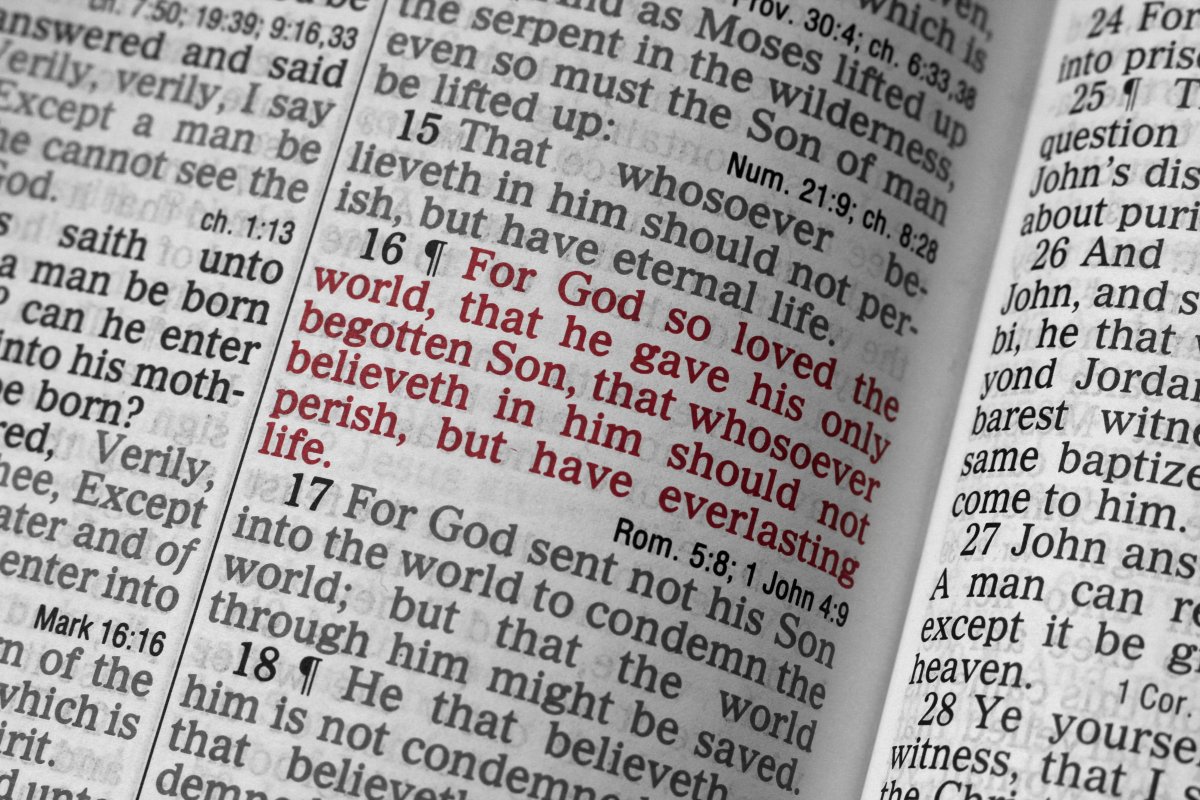
The Beginning of Wisdom - A Deep Study of Proverbs
Wisdom for a Confused Culture — Living Skillfully in God's World
**Proverbs 9:10 (ESV)**
The fear of the Lord is the beginning of wisdom, and the knowledge of the Holy One is insight.
INTRODUCTION: Why Proverbs and Why Now?
We live in a culture that has access to more information than any generation in human history and yet seems more deeply confused about the most basic questions of how to live. How do I make decisions I won't regret? How do I handle money without it handling me? How do I speak in ways that build rather than destroy? How do I choose friends who will make me better rather than worse? How do I stay morally grounded when everything around me is negotiating with compromise? How do I face suffering without losing hope, and success without losing my soul?
These are not new questions. They are the oldest questions of the human heart. And the book of Proverbs was written to answer them — not with abstract philosophical arguments but with earthy, concrete, observational wisdom drawn from the experience of watching how the world actually works when it is lived in alignment with the God who made it. Proverbs is the Scripture's gift to ordinary life — not the life of exceptional people in dramatic moments, but the daily life of waking up, going to work, raising children, managing money, navigating relationships, making choices, and eventually dying with either a life well-lived or a life spent on things that didn't matter.
Proverbs is also a deeply misread book. People often approach it as a collection of disconnected fortune-cookie sayings — spiritual aphorisms to be read randomly and applied without context. That reading misses almost everything. Proverbs has a coherent theological framework, a carefully constructed argument, and a specific kind of person it is trying to form: the person who has chosen wisdom as the organizing principle of their life. To read Proverbs well, you must read it as a whole — as a unified vision of what a human life looks like when it is built on the bedrock of knowing and fearing God.
THE STRUCTURE OF PROVERBS
Proverbs is not randomly organized. Chapters 1–9 form a sustained prologue — a series of extended poems, lectures from a father to a son, in which Wisdom herself appears as a living figure calling out to all who will listen. These chapters establish the theological and moral framework for everything that follows. Chapters 10–22 and 25–29 contain the bulk of the individual proverbs — two-line observations about how the world works. Chapters 22–24 contain 'Sayings of the Wise.' Chapters 30–31 close with the words of Agur, the words of King Lemuel's mother, and the magnificent poem of the capable woman. Understanding this structure changes how you read the individual sayings — they are not free-floating advice but expressions of a unified worldview.
The book was compiled under Solomon, with contributions from multiple authors across centuries, and it draws on wisdom traditions from across the ancient Near East. This breadth is not a liability — it is a theological statement. Wisdom is not the exclusive property of Israel. The God who created the world built wisdom into its fabric, and people across cultures who observe carefully how the world actually works can discover traces of it. But Proverbs insists that this general wisdom finds its ultimate source and its ultimate meaning in the fear of the Lord — the reverential, trust-filled recognition that God is God and we are not, and that living in alignment with him is the only reliable path to human flourishing.
For this study, we have organized our journey through Proverbs around the book's major themes rather than a strict chapter-by-chapter sequence, because Proverbs itself circles and revisits its themes rather than presenting them in a linear argument. We begin where Proverbs begins — with the fear of the Lord and the nature of wisdom — and then move through the major domains of human life that Proverbs addresses: words, relationships, money, character, and finally the vision of the person who has been formed by wisdom. At every point, we will be asking not just 'what does this say?' but 'what does this mean for my actual daily life in this actual confused culture?'
CHAPTER ONE
The Foundation: The Fear of the Lord
Proverbs 1:1–9:18 — The Prologue
**Proverbs 1:1–7 (ESV)**
The proverbs of Solomon, son of David, king of Israel: To know wisdom and instruction, to understand words of insight, to receive instruction in wise dealing, in righteousness, justice, and equity; to give prudence to the simple, knowledge and discretion to the youth — Let the wise hear and increase in learning, and the one who understands obtain guidance, to understand a proverb and a saying, the words of the wise and their riddles. The fear of the Lord is the beginning of knowledge; fools despise wisdom and instruction.
The book opens by telling us exactly what it is for and exactly who it is for. It is for the simple — those who lack experience and are therefore vulnerable to the seductions of folly. It is for the young — those whose character is still being formed and whose choices will determine the shape of their entire lives. But it is also for the wise — those who are already growing, who will gain still more by listening. Proverbs is not a remedial text for the spiritually backward. It is a lifelong conversation partner for anyone who is serious about living well.
"The fear of the Lord is the beginning of knowledge; fools despise wisdom and instruction." This opening declaration is not merely a devotional header — it is the theological axiom that governs the entire book. Everything Proverbs says about money, speech, relationships, sex, work, and character is grounded in this single foundational claim: the fear of the Lord is the starting point. Not one starting point among others. The beginning. The origin. The first word without which no subsequent words make sense.
What is the fear of the Lord? This is a question that requires careful answering because it is so widely misunderstood. In the modern West, 'fear' almost always implies terror — the cringing dread of something threatening. And certainly, the fear of the Lord includes a recognition of God's holiness, power, and the moral seriousness of his universe. But the fear that Proverbs describes is much richer than terror. It is a complex of reverential awe, moral attentiveness, trust, and relational responsiveness. It is the posture of a creature who has genuinely reckoned with who God is — not the domesticated deity of popular religion who exists to validate our choices, but the living God who is the source and standard of all wisdom, goodness, and reality.
#### UNDERSTANDING
The Hebrew word yirah, translated 'fear,' appears throughout the Old Testament with a range of meaning. In the context of the fear of the Lord, it combines: the recognition of God's transcendent greatness (he is incomparably above us), moral seriousness (his standard is real and our departure from it has consequences), intimate relational responsiveness (it is not the fear of a stranger but of the Father who formed us), and profound trust (precisely because of who he is, he is the One in whom life is safe). The person who 'fears the Lord' in the biblical sense is the person who has organized their entire life around taking God seriously — not as a background figure but as the central reality of their existence.
**Proverbs 8:1–11 (ESV)**
Does not wisdom call? Does not understanding raise her voice? On the heights beside the way, at the crossroads she takes her stand; beside the gates in front of the town, at the entrance of the portals she cries aloud: "To you, O men, I call, and my cry is to the children of man. O simple ones, learn prudence; O fools, learn sense. Hear, for I will speak noble things, and from my lips will come what is right, for my mouth will utter truth; wickedness is an abomination to my lips. All the words of my mouth are righteous; there is nothing twisted or crooked in them. They are all straight to him who understands, and right to those who find knowledge. Take my instruction instead of silver, and knowledge rather than choice gold, for wisdom is better than jewels, and all that you may desire cannot compare with her."
One of the most distinctive and remarkable features of Proverbs is the personification of Wisdom as a woman — Woman Wisdom — who appears throughout chapters 1–9 calling out to people in the most public places. She is not hidden. She is not esoteric. She does not reserve herself for the spiritually elite. She stands at the city gates, the crossroads, the entry points of everyday life, and she cries out to anyone who will listen. This is a profound theological statement: wisdom is not secret knowledge for the few. It is the open invitation of God to all who are willing to stop, listen, and receive.
The invitation of Wisdom in chapter 8 is one of the most breathtaking in the Bible. She announces that her words are excellent, right, true, and without crooked or perverse content — and then she makes the claim that reorients every human value system: wisdom is better than silver, better than gold, better than rubies. Better than anything you might desire. This is not a vague spiritual statement. It is a direct challenge to the basic human tendency to organize our lives around the acquisition of material and social goods. What would it actually mean to pursue wisdom with the same intensity, creativity, and commitment that we pursue wealth, status, comfort, and pleasure?
**Proverbs 8:22–31 (ESV)**
"The Lord possessed me at the beginning of his work, the first of his acts of old. Ages ago I was set up, at the first, before the beginning of the earth. When there were no depths I was brought forth, when there were no springs abounding with water. Before the mountains had been shaped, before the hills, I was brought forth, before he had made the earth with its fields, or the first of the dust of the world. When he established the heavens, I was there; when he drew a circle on the face of the deep, when he made firm the skies above, when he established the fountains of the deep, when he assigned to the sea its limit, so that the waters might not transgress his command, when he marked out the foundations of the earth, then I was beside him, like a master workman, and I was daily his delight, rejoicing before him always, rejoicing in his inhabited world and delighting in the children of man."
This passage is the theological heart of the entire book, and it is astonishing. Wisdom speaks and describes her own eternal origin — she was present at creation, not as a spectator but as the craftsman beside God, the architect of his world. What this means is that wisdom is not a human invention, not a cultural tradition, not a set of clever observations. Wisdom is the very principle by which God made the world — the deep structure that holds the universe together, the pattern of reality itself. When a person chooses wisdom, they are not merely making a good choice in the abstract. They are choosing to align themselves with the grain of the universe, to live in accordance with the pattern by which all things were made.
"I was daily his delight, rejoicing before him always, rejoicing in his inhabited world and delighting in the children of man." These words transform how we read everything that follows in Proverbs. Wisdom is not grim. Wisdom is not restrictive. Wisdom is joyful — it dances before God, it delights in the created world, it rejoices in humanity. The life of wisdom is not a life of joyless compliance with rules. It is a life of participation in the joy that God himself had when he looked at his creation and called it good. Folly, by contrast, is not exciting freedom — it is departure from joy, a walking away from the delight that wisdom embodies.
#### ❤ Heart Moment
Before we dive into the practical content of Proverbs, sit for a moment with this vision of Wisdom rejoicing. In our confused culture, wisdom is often caricatured as boring, restrictive, old-fashioned — the enemy of vitality and pleasure. Proverbs says the exact opposite. Wisdom dances. Wisdom delights. Wisdom rejoices in the whole world and in the human race. The person who chooses wisdom is not choosing a diminished life. They are choosing the life that was built into creation at the beginning — the life that God designed us for, the life in which human beings most fully flourish. The confused culture around us offers counterfeits of this joy: pleasure without consequence, freedom without responsibility, identity without truth. Wisdom offers the real thing.
#### Q: If wisdom is so accessible — standing at the crossroads, crying out in the streets — why do so many people choose folly instead?
Proverbs is honest about this. The primary reason is not stupidity but desire. Chapter 9 sets up a direct contrast between Wisdom's feast and Folly's feast, and Folly's invitation is explicitly about the appeal of the forbidden: "Stolen water is sweet, and bread eaten in secret is pleasant." Folly does not offer itself as what it is — the path to ruin. It presents itself as the exciting, rebellious, pleasurable alternative to the boring constraints of wisdom. The person who chooses folly is usually not choosing something that looks like obvious self-destruction. They are choosing something that looks and feels like freedom, excitement, or relief. Proverbs is preparing us to see through that presentation — to recognize that what presents itself as sweet stolen water is actually a path that leads to death.
#### Q: What does it mean practically for the fear of the Lord to be the 'beginning' of wisdom? Does that mean irreligious people cannot be wise?
The fear of the Lord as the 'beginning' (re'shit in Hebrew — the first, the foundational thing) does not mean that only explicit believers have any wisdom at all. Proverbs itself draws on wisdom traditions from outside Israel, and common grace means that people who observe reality carefully can discover genuine wisdom even without recognizing its ultimate source. What it means is that wisdom finds its ultimate coherence, its deepest roots, and its fullest expression only in the knowledge of God. Without that foundation, wisdom is like a building erected on soil rather than bedrock — functional in normal conditions, but unable to withstand ultimate pressure. The fear of the Lord is not an addition to wisdom; it is the foundation that makes genuine wisdom possible at the deepest level.
#### ✍ APPLICATION
This week, choose one decision you are currently facing — whether large or small — and spend time with it from the perspective of wisdom. Instead of asking first 'what do I want?' or 'what will work?', begin by asking 'what does the fear of the Lord look like in this situation?' What would it mean to organize this decision around taking God seriously as the living reality at the center of your life? Write down what changes when that becomes the first question rather than the last.
---
CHAPTER TWO
The Power of Words: Speaking in a World That Has Forgotten How
Proverbs 10–18 & selected passages
No theme receives more attention in Proverbs than the human tongue. This is not accidental. Solomon and the wisdom teachers of Israel understood something that modern neuroscience and social psychology are only beginning to document: the words we speak shape reality — our own internal reality, the reality of our relationships, the social reality of the communities we inhabit. Words are not merely the vehicles of thought; they are the primary medium through which human beings either build or destroy the world around them.
**Proverbs 18:21 (ESV)**
Death and life are in the power of the tongue, and those who love it will eat its fruits.
This single proverb is perhaps the most concentrated statement on the power of speech in the entire Bible. Death and life — the two ultimate categories, the poles of all human experience — are located in the tongue. Not in weapons. Not in wealth. Not in political power. In words. The person who controls their speech, who speaks life consistently and withholds death consistently, is exercising one of the most powerful forces in human existence. And the one who carelessly speaks death — who criticizes, demeans, gossips, lies, wounds with words — is releasing into the world a force as destructive as physical violence.
**Proverbs 12:18 (ESV)**
There is one whose rash words are like sword thrusts, but the tongue of the wise brings healing.
The contrast here is surgical in its precision: rash speech pierces like a sword, and the tongue of the wise heals. Both kinds of speech have physical analogies because both produce physical-level effects in people. The person who has been on the receiving end of a harsh, rash, cutting word knows that it lands in the body — a tightening in the chest, a flush of shame, a withdrawal of trust. The person who has been on the receiving end of a genuinely wise, timely, caring word knows that it also lands in the body — a release of tension, a restoration of confidence, an opening of the heart.
**Proverbs 16:24 (ESV)**
Gracious words are like a honeycomb, sweetness to the soul and health to the body.
Proverbs is not squeamish about the physical effects of speech. Health to the body — the body's deepest structure. Gracious words, words that carry genuine affirmation and care, do something physiological to the person who receives them. Modern research on the neurochemistry of affirmation and criticism has confirmed what the wisdom teachers of Israel observed by paying attention to human experience: kind speech actually changes the body's stress response. It is not sentimentality. It is how the God-designed human being was made to receive care.
**Proverbs 10:19 (ESV)**
When words are many, transgression is not lacking, but whoever restrains his lips is prudent.
Here Proverbs introduces a theme it returns to repeatedly: the discipline of few words. The wise person is not silent — Proverbs celebrates the wise word spoken at the right time as one of the most beautiful things in human experience. But the wise person has cultivated the capacity to hold words back, to not fill every silence with speech, to choose carefully rather than discharge automatically. "When words are many, transgression is not lacking" — there is a kind of sin unique to excessive speech. The person who talks without restraint will inevitably say things that are harmful, inaccurate, self-serving, or destructive, not because they intend to but because quantity without quality control is itself a failure of wisdom.
**Proverbs 15:1–2 (ESV)**
A soft answer turns away wrath, but a harsh word stirs up anger. The tongue of the wise commends knowledge, but the mouths of fools pour out folly.
This proverb is one of the most practically applicable in the entire book because every person in every relationship faces the moment it describes: the moment when someone comes at you with anger, frustration, criticism, or confrontation. The natural, unreflective response is to match their energy — to fight fire with fire, to defend, to escalate. Proverbs says the wise response is the opposite: a soft answer turns away wrath. The soft answer is not weakness — it requires more self-control, more emotional intelligence, more genuine security than the harsh response. It is the response of someone who is not threatened, who does not need to win the exchange, who cares more about the relationship than about the immediate satisfaction of self-defense.
**Proverbs 11:12–13 (ESV)**
Whoever belittles his neighbor lacks sense, but a man of understanding remains silent. Whoever goes about slandering reveals secrets, but he who is trustworthy in spirit keeps a thing covered.
The connection Proverbs makes here between gossip and contempt is illuminating. Gossip is not merely an indiscretion — it is an act of contempt toward the person being talked about, a violation of the trust that forms the basis of relationship, and a corrosive force in community. The gossip does not typically think of themselves as malicious. They are simply sharing interesting information, processing a difficult situation by talking about it, keeping a friend informed. But Proverbs locates gossip in the moral category of betrayal and identifies the person who gossips as someone lacking sense — someone who has not grasped the most basic truth about what words do to people and communities.
**Proverbs 25:11 (ESV)**
A word fitly spoken is like apples of gold in a setting of silver.
Against the backdrop of all the damage that careless speech can do, Proverbs celebrates the rare beauty of the word perfectly spoken. Apples of gold in settings of silver — an image of extraordinary craftsmanship, of the right material in the right setting, creating something of lasting beauty. The right word, spoken at the right moment, with the right tone, to the right person — this is a form of artistry. It requires the discipline of restraint (not saying the wrong word), the wisdom of timing (knowing when to speak), the courage to speak when speech is needed (knowing when silence fails the person before you), and the skill of language (knowing how to say what needs to be said in a way it can actually be received). This is wisdom in action.
#### ❤ Heart Moment
Think about the words that have mattered most in your life — the words that healed something in you, that gave you courage when you had none, that named something you couldn't name yourself, that told you the truth you needed to hear even when it was hard. Those words came from people who had cultivated the wisdom of speech. And think about the words that have wounded you most — the casual cruelty, the dismissive remark, the lie that destroyed trust, the gossip that reshaped how people saw you. Those words came from people who had not. The difference is not intelligence or education. It is whether the person has submitted their tongue to the fear of the Lord.
#### Q: Proverbs 10:19 says that when words are many, transgression is not lacking. What is the sin specifically — is talking a lot inherently wrong?
The sin is not quantity of speech per se but the inevitable failures of quality that accompany speech without self-discipline. The person who speaks without restraint will, in the flood of their words, inevitably misrepresent, exaggerate, say things they don't mean, share things that should be withheld, speak before thinking, and wound without intending to. Proverbs is not calling for silence — it celebrates the eloquent speaker, the wise counselor, the person who speaks truth at the right moment. What it is calling for is the discipline of the tongue as a deliberate spiritual practice: speaking intentionally, carefully, with awareness of the effect that words have on those who receive them.
#### Q: How does someone practically cultivate the soft answer that turns away wrath, especially when they are the one being attacked?
Proverbs does not pretend this is easy — it calls it wisdom precisely because it requires formation over time, not just good intentions in the moment. Several things make it possible: first, a secure sense of identity that does not require every conflict to be won; second, a genuine care for the other person that is stronger than the desire for self-justification; third, the learned habit of pausing before responding — the physiological discipline of not reacting immediately when emotion is high. But underneath all of these practical disciplines is the theological foundation Proverbs keeps pointing to: the person who fears the Lord has a source of security and significance that does not depend on winning the argument. When your identity is grounded in God rather than in how you are perceived, gentleness in conflict becomes genuinely possible.
#### ✍ APPLICATION
For seven days, conduct what Proverbs scholars call a 'tongue fast' — not silence, but deliberate restraint in one specific area of speech. Choose one: gossip (commit to saying nothing negative about another person to a third party), complaining (commit to withholding complaints and replacing them with specific requests or gratitude), or criticism (commit to replacing every critical word with a specific, honest affirmation). Keep a brief daily note about what was difficult, what you noticed about your impulses, and what effect the restraint had on your relationships. At the end of seven days, reflect: what did this practice reveal about the relationship between your tongue and your heart?
---
CHAPTER THREE
Friendship, Community, and the People Who Shape Us
Proverbs 12–22 & selected passages
Proverbs is profoundly realistic about human relationships. It does not idealize community or pretend that all people are equally good for your soul. It maps, with unflinching honesty, the range of human relational types — the faithful friend, the treacherous companion, the flattering enemy, the honest counselor, the quarrelsome neighbor — and it insists that the choice of who we allow into our inner circle is one of the most consequential choices of our lives.
**Proverbs 13:20 (ESV)**
Whoever walks with the wise becomes wise, but the companion of fools will suffer harm.
This proverb contains one of the most psychologically accurate observations in the entire book. We become like the people we walk with. This is not merely moral osmosis — it is how human formation works at the neurological level. We absorb the habits, values, assumptions, and emotional patterns of those whose company we keep. The phrase "becomes wise" implies a gradual process — not a single conversation that transforms but the long-term shaping effect of sustained proximity to wisdom. And the companion of fools "will suffer harm" — not immediately, not dramatically, but progressively, as the habits and values of folly embed themselves in the person who has chosen that company.
**Proverbs 17:17 (ESV)**
A friend loves at all times, and a brother is born for adversity.
The standard of friendship Proverbs establishes here is radically counter-cultural. A friend loves at all times — not at convenient times, not when the relationship is rewarding, not when your social stock is high. At all times. The phrase "a brother is born for adversity" is one of the most beautiful in the book: the deepest function of genuine friendship is revealed in crisis, not in celebration. The friend who is present in your flourishing is lovely; the friend who shows up in your collapse, your failure, your grief, your disgrace — that friend is born for that moment. That is what friendship is for.
**Proverbs 27:5–6 (ESV)**
Better is open rebuke than hidden love. Faithful are the wounds of a friend; profuse are the kisses of an enemy.
This proverb delivers a truth that cuts against everything our therapeutic culture tells us about kindness and affirmation. Hidden love — the feeling of care that never speaks the hard truth, that withholds the honest word to avoid discomfort — is actually less valuable than open rebuke. Why? Because open rebuke, delivered from genuine care, does something for the person that hidden love cannot: it gives them the information they need to actually change. The "faithful wounds of a friend" — the honest words that sting precisely because they are true — are more trustworthy and more ultimately caring than the "profuse kisses of an enemy." The enemy's kisses are profuse because they are cheap. They cost nothing to give and do nothing to help.
This proverb also contains a warning about the nature of flattery. The person who always agrees with you, who always tells you what you want to hear, who never introduces the friction of honest disagreement into the relationship, is not necessarily your friend. They may be your enemy in a very specific sense: they are allowing you to continue in a destructive pattern of thinking or behavior because they value your approval more than your flourishing. Genuine friendship has teeth. It is willing to risk the relationship for the sake of the person.
**Proverbs 22:24–25 (ESV)**
Make no friendship with a man given to anger, nor go with a wrathful man, lest you learn his ways and entangle yourself in a snare.
Here Proverbs is utterly direct about a specific relational danger: the hot-tempered, chronically angry person. The warning is not about a single episode of anger — it is about the person for whom anger is a habitual way of being in the world. And the reason for the warning is sobering: "lest you learn his ways." You will not merely be inconvenienced by this person's anger — you will be shaped by it. Their emotional patterns will become your emotional patterns, their way of responding to frustration and disappointment will begin to infiltrate your own responses, their relational toxicity will spread. This is how formation by proximity works, and Proverbs is not embarrassed to say: some relationships are simply too costly at the character level.
**Proverbs 18:1 (ESV)**
Whoever isolates himself seeks his own desire; he breaks out against all sound judgment.
This proverb names something that is easy to romanticize in our culture: the lone genius, the self-sufficient individualist, the person who doesn't need others. Proverbs says that the person who withdraws from community — who lives relationally isolated not from circumstance but from choice — is pursuing selfishness and defying wisdom. Community is not an optional feature of a good life. It is a structural necessity. We are formed by others, corrected by others, supported by others, made more fully human by others. The person who retreats from genuine relational engagement is not being independent — they are being foolish, in the specific sense Proverbs uses that word: they are departing from the grain of how human beings were designed to function.
**Proverbs 27:17 (ESV)**
Iron sharpens iron, and one man sharpens another.
The metallurgical image is brilliant in its precision. Iron sharpening iron is not a gentle process — it involves friction, resistance, the removal of the dull and unformed in order to create an edge. The friend who sharpens you is the friend whose presence creates the productive friction of genuine engagement: they challenge your assumptions, they push back on your excuses, they refuse to let your laziness or cowardice pass without comment, they hold you to the better version of yourself that you both know is possible. And the "sharpening" is not just your skills or your knowledge, but the quality of your being, the clarity of your character.
#### ❤ Heart Moment
Who is sharpening you right now? Not the people who are comfortable to be around, not the people who always agree with you, but the people whose honest engagement with your life is making you more genuinely wise, more courageous, more faithful? And who are you sharpening? Are you investing in relationships where you are willing to offer the faithful wounds of a friend — where your care for the person is strong enough to risk the relationship by speaking truth? Proverbs is asking you to take your relational world seriously as a site of spiritual formation. The people you walk with are shaping you, constantly, whether or not you are aware of it.
#### Q: Proverbs warns against befriending a man given to anger. But don't we have a responsibility to love difficult people, to be patient with those who struggle with anger?
Proverbs is making a specific point about inner-circle companionship — the people whose company we keep consistently, whose habits and values are forming us over time. It is not a prohibition against loving, serving, or extending grace to difficult people. Jesus himself engaged with the angry, the broken, the chaotic. The wisdom principle is about the formative power of sustained proximity: some people, in the inner circle of daily life, will shape you in ways that are harmful to your character. Loving someone, praying for them, extending grace to them in moments of need — these are different from making them your closest companion. Wisdom sometimes requires distinguishing between the love you extend to everyone and the close companionship you entrust to the few.
#### Q: What does Proverbs mean by the 'kisses of an enemy'? How do I tell the difference between genuine encouragement and flattery that is actually harmful?
The Hebrew word for flattery (chalaq) has the sense of something smooth, slippery — it slides in easily and feels good but has no grip. Flattery says what you want to hear without regard for what is true or what you actually need. The markers that distinguish it from genuine encouragement: flattery is indiscriminate (the flatterer tells everyone how wonderful they are), flattery has a motive (the flatterer is serving their own interest in your approval or favor), and flattery creates no growth (it asks nothing of you and expects nothing to change). Genuine encouragement, by contrast, is specific, grounded in actual observation, and often comes attached to honest challenge — 'I see this strength in you, and I also see this pattern that is holding you back.' The person who loves you will speak both sides.
#### ✍ APPLICATION
This week, map your relational world honestly. In your journal, identify three people who are having the greatest formative influence on your life right now. For each one, ask: are they making me wiser or less wise? More courageous or more fearful? More loving or more self-focused? More faithful or more morally compromised? You are not conducting a judgment of these people — you are taking seriously Proverbs 13:20 as a diagnostic of your own formation. Then identify one person in your life who you believe is genuinely wiser than you, and take a specific step this week to invest in that relationship: a conversation, a shared meal, a request for honest feedback.
---
CHAPTER FOUR
Money, Work, and the Wisdom of Enough
Proverbs 10–31 — Wealth, Labor, Generosity & Contentment
No domain of daily life receives more practical wisdom in Proverbs than the relationship between human beings and their money and labor. This is not because Proverbs is a financial advice manual — it is because the wisdom teachers of Israel understood that how a person relates to money and work reveals, with unusual clarity, the actual state of their character and their theology. What you do with money is ultimately a statement about what you trust, what you value, and who you think you are. Proverbs addresses all three.
**Proverbs 30:7–9 (ESV)**
Two things I ask of you; deny them not to me before I die: Remove far from me falsehood and lying; give me neither poverty nor riches; feed me with the food that is needful for me, lest I be full and deny you and say, "Who is the Lord?" or lest I be poor and steal and profane the name of my God.
This prayer from Agur in chapter 30 is one of the most spiritually mature statements about money in all of Scripture. Agur does not pray to be prosperous. He does not pray to be poor. He prays for neither — for the "food that is needful," the daily bread, the sufficient. And his reason is unflinching in its honesty: he knows himself well enough to know what abundance would do to him ("lest I be full and deny you") and what poverty would do to him ("lest I be poor and steal and profane the name of my God"). This is not false humility. It is self-knowledge in service of faithful living. The person who knows how wealth might corrupt them and how poverty might compromise them, and who prays accordingly, is demonstrating a level of moral self-awareness that Proverbs consistently celebrates.
**Proverbs 11:24–25 (ESV)**
One gives freely, yet grows all the richer; another withholds what he should give, and only suffers want. Whoever brings blessing will be enriched, and one who waters will himself be watered.
Proverbs subverts the most basic intuition of financial self-interest with this proverb. The one who scatters — who gives generously, freely, without calculating return — increases. The one who withholds what should properly flow out ends up impoverished. This is not a prosperity gospel promise — it is a wisdom observation about how generosity functions in the moral economy of the world. The generous person builds relationships, social capital, reputation, and the kind of community around themselves that in times of need responds in kind. The withholding person corrodes their relationships and their character simultaneously, ending up spiritually and often practically impoverished.
**Proverbs 10:4–5 (ESV)**
A slack hand causes poverty, but the hand of the diligent makes rich. He who gathers in summer is a prudent son, but he who sleeps in harvest is a son who brings shame.
Proverbs is not romantic about work. It is clear-eyed and blunt: diligence produces results and laziness produces poverty. The seasonal harvest imagery is powerful because it points to the principle of irreversible timing — there is a time to gather, and when that time passes it does not return. The person who sleeps during harvest is not merely inefficient; they have made a choice that cannot be undone by later effort. One of the profound practical wisdoms of Proverbs is the recognition that the consequences of laziness are often not immediate — the summer seems long, the harvest seems far away — and by the time the cost of sloth is apparent, the season has passed.
**Proverbs 6:6–11 (ESV)**
Go to the ant, O sluggard; consider her ways, and be wise. Without having any chief, officer, or ruler, she prepares her bread in summer and gathers her food in harvest. How long will you lie there, O sluggard? When will you arise from your sleep? A little sleep, a little slumber, a little folding of the hands to rest, and poverty will come upon you like a robber, and want like an armed man.
The famous ant passage is one of Proverbs' most memorable, and its humor should not distract from its precision. The ant — one of the smallest, apparently least significant creatures in the natural world — is commended to the human sluggard as a model of wisdom. Why? Because the ant works without being told to. She has no supervisor, no accountability structure, no enforced schedule. She is motivated entirely by her own understanding that the summer will not last and that winter does not care about excuses. The wisdom the ant demonstrates is the wisdom of self-directed, intrinsically motivated labor — work that comes not from external compulsion but from an internalized understanding of how time and consequence are related.
**Proverbs 14:23 (ESV)**
In all toil there is profit, but mere talk tends only to poverty.
This proverb is delightfully relevant to our era of endless productivity content, motivational speaking, and goal-setting frameworks. Proverbs contrasts talk and work — and is unambiguous about which produces results. The culture of aspirational speech, of talking about what you are going to do without doing it, of planning without executing, of discussing without working — this is not a modern invention. It is an ancient form of folly that Proverbs recognizes and names. "In all toil there is profit" — this is not glamorous wisdom. It is the unglamorous truth that is the foundation of every lasting achievement: work, sustained, difficult, focused work, is what produces results in the real world.
**Proverbs 3:9–10 (ESV)**
Honor the Lord with your wealth and with the firstfruits of all your produce; then your barns will be filled with plenty, and your vats will be bursting with wine.
The instruction to honor God with the firstfruits of your increase is not primarily about financial planning — it is a theological statement about who owns what. The firstfruits principle means that before you allocate your resources to your own desires, your security, your comfort, or your savings, you acknowledge God as the source of everything you have by giving from the first and best of what he has given you. This is an act of worship before it is an act of charity. It declares, in the most concrete possible language — money — that your life and its resources belong to God and flow from his hand.
#### UNDERSTANDING
The 'sluggard' in Proverbs is one of its most developed character types — not a lazy person occasionally, but a person for whom avoidance of work has become a pattern of character. The sluggard is portrayed with rueful humor: they cannot get up because they are tired (26:14 — "As a door turns on its hinges, so does a sluggard on his bed"), they always have an excuse to avoid work ("There is a lion in the road!" 26:13), they start things they never finish (19:24 — "The sluggard buries his hand in the dish and will not even bring it back to his mouth"), and they are convinced of their own wisdom (26:16 — "The sluggard is wiser in his own eyes than seven men who can answer sensibly"). The portrait is comic, but the point is serious: this is what a character shaped by the avoidance of difficulty looks like from the outside.
#### ❤ Heart Moment
The prayer of Agur — "give me neither poverty nor riches; feed me with the food that is needful for me" — is one of the bravest prayers in the Bible because it asks God to do something we rarely actually want him to do: to calibrate our material life around what is sufficient rather than what is desirable. Most of us, if we are honest, want more than 'needful.' We want comfortable, secure, impressive, pleasurable, and a cushion besides. Agur is asking for the wisdom to live within sufficiency and the grace not to be destroyed by either excess or lack. How would your financial decisions look different if you prayed this prayer and meant it?
#### Q: Proverbs seems to promise that diligence leads to prosperity and laziness leads to poverty. But many hardworking people remain poor, and many lazy people are wealthy. Is Proverbs wrong?
Proverbs is making observations about general tendencies in how the world works — not unconditional guarantees. Proverbs itself acknowledges complexity: the poor can be oppressed unjustly (13:23), wealth can be gained through wicked means (10:2), and the righteous can suffer. The proverbs about diligence and poverty are pointing to a real correlation: in most circumstances, sustained diligent work tends toward better outcomes and sustained sloth tends toward worse ones. But Proverbs is embedded in a larger biblical worldview that includes lament (Psalms), complaint about injustice (Amos), and honest wrestling with the suffering of the righteous (Job). Read in that full canonical context, Proverbs' statements about prosperity are wisdom observations about tendencies, not mechanical formulas. They are true in the way that 'eating well leads to better health' is true — genuinely, generally, without being absolute.
#### ✍ APPLICATION
Choose one of the following money-wisdom practices from Proverbs this week.
- **Option A: Firstfruits** — before you spend anything from your next paycheck, make a giving decision first, as an act of worship that declares God owns what is in your hands.
- **Option B: Sufficiency audit** — list your ten most recent discretionary purchases. For each one, ask honestly: was this *'needful,'* or was this driven by something else — comfort, boredom, status, fear? What patterns do you notice?
- **Option C: Work quality** — identify one task or responsibility you have been handling with less than full diligence. Commit to bringing your best to it this week — not for anyone's approval but as an act of character formation.
---
CHAPTER FIVE
The Inner Life: Pride, Humility, and the Architecture of Character
Proverbs 16 & throughout — The Heart, Pride, Humility & Integrity
Beneath all of Proverbs' practical wisdom about speech, relationships, and money lies a more fundamental concern: the formation of character itself. Proverbs is ultimately not a manual of behaviors — it is a vision of a kind of person. The behaviors it commends are the natural expression of an inner life shaped by wisdom, and the behaviors it warns against are the natural expression of an inner life shaped by folly. The root question Proverbs is always asking is: what kind of person are you becoming, at the level of heart?
**Proverbs 4:23 (ESV)**
Keep your heart with all vigilance, for from it flow the springs of life.
This single verse is perhaps the most important practical instruction in the entire book. "Keep your heart with all vigilance" — the word for 'keep' is the same word used for guarding a fortress or protecting a city. The heart — the inner life, the place where desires are formed, values are held, and character is shaped — requires active, vigilant protection. It does not protect itself. It is constantly being influenced, shaped, and potentially corrupted by what flows into it: the words we hear, the images we consume, the relationships we inhabit, the habits we cultivate.
"For from it flow the springs of life" — everything flows from the heart. Your speech flows from your heart. Your relational patterns flow from your heart. Your relationship with money flows from your heart. Your courage or cowardice in moral situations flows from your heart. There is no domain of life that is not downstream of the condition of your inner life. This is why all the practical instructions in Proverbs ultimately circle back to this central command: guard your heart, because everything else in your life is shaped by what goes on there.
**Proverbs 16:18–19 (ESV)**
Pride goes before destruction, and a haughty spirit before a fall. It is better to be of a lowly spirit with the poor than to divide the spoil with the proud.
The most famous proverb in the book, and one of the most empirically verifiable. Pride — the elevation of the self to a position of centrality, the sense that one is not subject to the same moral laws, consequences, or limitations as ordinary people — is consistently the prelude to catastrophic failure. Not because God sends judgment to puncture the proud (though that is part of the picture), but because pride is itself a form of moral blindness. The proud person cannot see clearly because they are always looking from the top. They cannot hear honest feedback because their identity requires that they be right. They cannot acknowledge risk because acknowledging risk requires acknowledging vulnerability. And so they walk, with perfect confidence, straight into the destruction that a humble person would have seen coming from miles away.
**Proverbs 16:2 (ESV)**
All the ways of a man are pure in his own eyes, but the Lord weighs the spirit.
This proverb is one of the most psychologically penetrating in the entire book. "All the ways of a man are pure in his own eyes" — we are profoundly biased in our self-assessments. The mechanisms of psychological self-justification are remarkably powerful: we unconsciously reframe our actions to cast ourselves in the best light, we emphasize the extenuating circumstances that explain our failures, we attribute the best motives to our own choices and the worst motives to the choices of others. Most people who have done terrible things have a story in which their actions were reasonable, even necessary. The capacity for self-deception is not a feature of particularly bad people. It is a feature of the human condition.
"But the Lord weighs the spirit." The Hebrew word for weighs is takan, the word for a precise balance scale — accurate measurement rather than rough estimation. God does not accept our self-assessments. He reads the actual motive, the actual desire, the actual dynamic of the heart that produced the action. This is both humbling and, when received rightly, liberating. Humbling because it removes the comfortable illusion that our self-justifications are reliable. Liberating because the God who weighs the motives is the God who provides the grace to purify them — we do not have to maintain the exhausting performance of self-justification before him.
**Proverbs 11:2 (ESV)**
When pride comes, then comes disgrace, but with the humble is wisdom.
The sequence Proverbs describes here is exact: pride arrives, and shame follows. Wisdom arrives with humility, not pride. Why? Because wisdom requires the capacity to learn, and learning requires the acknowledgment that you do not already know everything. The proud person has foreclosed the possibility of genuine learning — they can only receive information that confirms what they already believe. The humble person, who begins from a position of genuine openness to being wrong, to being corrected, to having their understanding expanded, is positioned to receive wisdom that the proud person will never encounter.
**Proverbs 20:5 (ESV)**
The purpose in a man's heart is like deep water, but a man of understanding will draw it out.
This proverb celebrates one of the most practically important relational capacities: the ability to draw out the deep counsel that is present in another person. Most people carry more wisdom than they readily express. Their actual understanding of their own situation, their genuine perception of what is happening in their relationships and their character — this is often submerged beneath the surface presentation of their life. The person of understanding has learned to ask the kind of questions, to create the kind of relational safety, and to listen with the kind of attentiveness that draws this deep water to the surface. This is what skilled spiritual direction, good mentoring, and wise friendship do — they help people access the wisdom that is already there, buried under the noise of daily life.
**Proverbs 24:16 (ESV)**
For the righteous falls seven times and rises again, but the wicked stumble in times of calamity.
This proverb is one of the most important in the entire book for people who are in the middle of failure or shame. The righteous man — not the perfect man, but the righteous one, the one who is oriented toward God — falls. Seven times, the biblical number of completeness. He falls comprehensively, fully, repeatedly. And he rises. The defining characteristic of the righteous person is not that they do not fall; it is that they do not stay down. Failure is not their final state because their identity is not defined by their track record. The wicked, by contrast, stumble in times of calamity — not because they fall, but because when calamity comes they have no foundation, no orientation toward God, no resources for recovery.
#### ❤ Heart Moment
"Keep your heart with all vigilance, for from it flow the springs of life." If you took this verse seriously — genuinely, practically seriously — it would transform how you spend your time, what you allow into your mind through the media you consume, the conversations you have, the habits you cultivate in private. The heart is being formed, constantly, whether or not you are attending to its formation. The question is whether you are a passive recipient of whatever the culture, your history, and your habits are making of your inner life, or whether you are actively, diligently keeping watch over the place from which everything flows. This is the spiritual discipline that Proverbs considers the most fundamental of all.
#### Q: Proverbs 16:2 says all a man's ways seem right in his own eyes but the Lord weighs the spirit. How can we ever trust our own judgment if we are so susceptible to self-deception?
Proverbs does not conclude from the reality of self-deception that judgment is impossible — it concludes that judgment requires safeguards. Three things help: the fear of the Lord (the posture of taking God's standard seriously rather than self-assessment as the final measure), honest community (the faithful wounds of a friend who will name what we cannot see in ourselves), and the discipline of regular confession (the habit of naming our actual motives before God without justification). None of these make us infallible, but together they create conditions in which self-deception is much harder to sustain. The person who is genuinely open to the feedback of both God and trusted others is far less vulnerable to the grand self-deceptions that destroy lives.
#### Q: What does Proverbs mean by guarding the heart? What specific practices constitute 'keeping the heart with all vigilance'?
The guards Proverbs describes throughout the book give us the content of what heart-keeping involves.
- **Guarding your ears:** what teaching, what conversations, what media are you consistently receiving? The heart is formed by what flows into it.
- **Guarding your eyes:** the lust of the eyes (to which Proverbs devotes significant attention, especially in the sexual warning passages) operates through what we allow ourselves to look at and dwell on.
- **Guarding your associations:** the formative power of the people we walk with.
- **Guarding your tongue:** the discipline of speech both reflects and reinforces the condition of the heart.
And underneath all of these: the daily discipline of attention toward God — prayer, Scripture, worship — that keeps the fear of the Lord alive and active as the orienting reality of the inner life.
#### ✍ APPLICATION
Choose one of the two heart-keeping practices this week.
- **Practice One: a media fast** — for five days, significantly reduce your consumption of social media, news, and entertainment, and pay attention to what happens in your inner life. What anxieties surface? What habits of mind become apparent? What were you using media to avoid?
- **Practice Two: a motive audit** — choose one significant decision or action from the past week and examine its actual motive honestly. Not the motive you would present publicly, but the actual driving desire beneath it. Bring what you find to God in honest prayer, without self-justification and without self-condemnation.
---
CHAPTER SIX
Sexual Wisdom in a Sexually Confused World
Proverbs 5–7 & 31 — Desire, Faithfulness & the Vision of the Capable Person
Chapters 5–7 of Proverbs contain the most sustained treatment of sexual ethics in the wisdom literature, and it is striking both for its frankness and for its positive vision. Proverbs does not begin with prohibition — it begins with desire, with the reality that sexual longing is powerful and that this power must be understood, not denied. The father in these chapters is not a reluctant, embarrassed moralist. He is a man who understands the sexual landscape his son is about to navigate and who is determined to give him both honest warning and a positive vision that is strong enough to compete with temptation.
**Proverbs 5:3–6 (ESV)**
For the lips of a forbidden woman drip honey, and her speech is smoother than oil, but in the end she is bitter as wormwood, sharp as a two-edged sword. Her feet go down to death; her steps follow the path to Sheol; she does not ponder the path of life; her ways wander, and she does not know it.
The description of the adulteress in chapter 5 is psychologically acute in a way that demands attention. She does not present herself as dangerous. Her lips drip honey. Her speech is smooth as oil. The temptation she represents is pleasurable on the surface, appealing to every legitimate desire for intimacy, pleasure, and connection. Proverbs does not pretend the temptation is not real or that its appeal is not genuine. It is. That is precisely what makes it dangerous. The fool is not someone who walks into obvious destruction; the fool is someone who chooses something that looks and feels like life but leads to death.
"She does not ponder the path of life; her ways wander, and she does not know it." This detail is important: the person who leads another into sexual disaster is not necessarily consciously malicious. They are themselves operating without wisdom, without a long-term orientation, without the fear of the Lord that would allow them to see the actual direction their path is going. Sexual folly is often not about wickedness in the conventional sense — it is about the absence of wisdom, the triumph of immediate desire over the capacity to see where choices lead.
**Proverbs 5:15–19 (ESV)**
Drink water from your own cistern, flowing water from your own well. Should your springs be scattered abroad, streams of water in the streets? Let them be for yourself alone, and not for strangers with you. Let your fountain be blessed, and rejoice in the wife of your youth, a lovely deer, a graceful doe. Let her breasts fill you at all times with delight; be intoxicated always in her love.
Against the warning of the adulteress, Proverbs immediately places a positive vision — and the contrast is instructive. The solution to sexual temptation is not cold asceticism, not the suppression of desire, not a grim and dutiful faithfulness that endures the temptation while wishing for the forbidden. The solution is a positive, vivid, and explicitly sensual vision of marital fidelity. Drink from your own cistern. Rejoice in the wife of your youth. Be intoxicated always in her love. Proverbs is not embarrassed by sexual desire — it celebrates it within the covenant structure that protects it.
The word "intoxicated" here (translated in some versions as 'captivated' or 'always ravished') is a strong word for total absorption and delight — the same kind of emotional capture that the forbidden woman's honey-dripping lips were designed to produce. Proverbs is saying: the desire for that kind of total absorption in another person is legitimate and beautiful and is meant to find its fulfillment within the covenant of marriage. The adulteress offers a counterfeit of what the faithful spouse is meant to provide. The fool trades the genuine article for the imitation, and pays the price.
**Proverbs 7:6–23 (ESV)**
For at the window of my house I have looked out through my lattice. And I have seen among the simple, I have perceived among the youths, a young man lacking sense, passing along the street near her corner, taking the road to her house in the twilight, in the evening, at the time of night and darkness. And behold, the woman meets him, dressed as a prostitute, wily of heart. She is loud and wayward; her feet do not stay at home; now in the street, now in the market, and at every corner she lies in wait. She seizes him and kisses him, and with bold face she says to him... He goes after her, as an ox goes to the slaughter, or as a stag is caught fast till an arrow pierces its liver; as a bird rushes into a snare; he does not know that it will cost him his life.
Chapter 7 reads like a short story — a father watching from his window, narrating in real time the seduction of a young man. The detail is remarkable: the twilight hour, the specific street corner, the attire. The wisdom teacher is not theorizing about temptation; he is describing how it actually works, in specific circumstances, with specific vulnerability factors. The young man is "lacking sense" — not evil, but unformed. He is in the wrong place at the wrong time by choice, and a choice is being made before he knows he is making it.
The image of the ox going to slaughter is brutal in its accuracy. The ox does not know what is happening. It is simply walking in the direction the path is going. This is the picture of what the absence of wisdom looks like in the domain of sexuality: not a dramatic, fully conscious decision to do something wrong, but a series of small, apparently minor choices — the wrong neighborhood, the wrong time, the wrong company, the lingering look — that create an almost inevitable momentum toward destruction. Wisdom, by contrast, is the capacity to see the slaughterhouse at the beginning of the path and choose a different road.
**Proverbs 31:10–12, 25–30 (ESV)**
An excellent wife who can find? She is far more precious than jewels. The heart of her husband trusts in her, and he will have no lack of gain. She does him good, and not harm, all the days of her life... Strength and dignity are her clothing, and she laughs at the time to come. She opens her mouth with wisdom, and the teaching of kindness is on her tongue. She looks well to the ways of her household and does not eat the bread of idleness. Her children rise up and call her blessed; her husband also, and he praises her: "Many women have done excellently, but you surpass them all." Charm is deceitful, and beauty is vain, but a woman who fears the Lord is to be praised.
The book of Proverbs closes with a vision that both completes and transcends everything that has come before it. The "excellent wife" — often translated 'virtuous woman' or 'woman of valor' (eshet chayil in Hebrew) — is not primarily a domestic role description. She is the living embodiment of Wisdom herself. Every quality attributed to her in this poem — her strength, her dignity, her provision for her household, her care for the poor, her speech of wisdom, her fear of the Lord — is the quality of Wisdom personified in chapters 1–9, now clothed in flesh in an actual human life.
The closing line is the interpretive key to the whole poem: "Charm is deceitful, and beauty is vain, but a woman who fears the Lord is to be praised." The poem has deliberately presented a woman of extraordinary capacity — she is economically productive, physically strong, relationally wise, socially engaged, generously charitable. And then it anchors all of it in one thing: the fear of the Lord. The excellent woman is the fear-of-the-Lord woman. She is what a human life looks like when it is built, from the foundation up, on the principle with which the book began. She is the answer to the question that Proverbs has been asking for thirty-one chapters: what does a human life shaped by wisdom actually look like?
#### ❤ Heart Moment
The sexual wisdom of Proverbs is not primarily about restriction. It is about vision. The vision of the spouse of your youth as the one in whom your deepest longing for intimacy, pleasure, and connection is meant to be fully invested — this is not a second-rate consolation prize for those who cannot have the exciting forbidden option. It is the vision of covenant love as the context in which the full depth of human sexual longing finds genuine, lasting, life-giving fulfillment. The culture around us sells sexual freedom as the path to this fullness. Proverbs says the path leads to death. The path to genuine sexual flourishing is the disciplined, chosen, deepening investment in one person — the fountain blessed by God, the wife of your youth, the husband in whom your heart trusts.
#### Q: Proverbs 5–7 addresses the male perspective almost exclusively — a father warning a son. Does Proverbs have anything to say to women about sexual wisdom?
The Proverbs 7 narrative is told from the father's perspective to a son, and the cultural context was patriarchal in ways that shaped the address. But several things balance this: the excellent woman of Proverbs 31 is celebrated as a full moral agent with wisdom, strength, and fear of the Lord as her defining characteristics — not a passive figure. Woman Wisdom herself in chapters 1–9 is a strong, active, publicly engaged figure. And the warnings of chapters 5–7 have their female equivalent: women navigating predatory situations, manipulative relationships, and the seductions of relationships that offer honey but deliver wormwood. The principles Proverbs establishes — long-term sight over short-term appeal, the recognition that desire can be manipulated, the protection that covenant faithfulness provides — apply to every human being navigating sexual temptation, regardless of gender.
#### ✍ APPLICATION
Read through Proverbs 31:10–31 slowly this week — not as a checklist of domestic performance but as a portrait of a life shaped by wisdom. As you read, ask: which qualities described here are already present in me, however imperfectly? Which represent genuine growth areas? Then sit with verse 30: "a woman who fears the Lord is to be praised." Whether you are male or female, the closing of Proverbs is offering you the same invitation it has been offering from the first verse: the fear of the Lord is the beginning. It is also the destination. It is the origin and the fullness of the wise life.
---
CHAPTER SEVEN
Wisdom for a Confused Culture: Reading Our Moment
Proverbs & the Contemporary World
We began this study by asking why Proverbs matters now. Having walked through its major themes — the fear of the Lord as the foundation of wisdom, the extraordinary power and danger of words, the formative influence of the people we walk with, the theology embedded in our relationship with money and work, the inner architecture of character, and the vision of sexual wisdom in a world of sexual confusion — we are now in a position to address that question directly: what does Proverbs say to our specific cultural moment?
We live in what has been called an age of information poverty — not poverty of data, but poverty of wisdom. We have more access to more information than any generation before us and less shared framework for evaluating what that information means, where it comes from, and what we should do with it. The result is a cultural condition of deep confusion about the most basic questions: what is true and how do I know? What is good and why does it matter? What is the human being and what are we for? These are not questions that more data will answer. They are the questions that wisdom addresses.
**Proverbs 1:20–23 (ESV)**
Wisdom cries aloud in the street, in the markets she raises her voice; at the head of the noisy streets she cries out; at the entrance of the city gates she speaks: "How long, O simple ones, will you love being simple? How long will scoffers delight in their scoffing and fools hate knowledge? If you turn at my reproof, behold, I will pour out my spirit to you; I will make my words known to you."
Proverbs begins with Wisdom crying out in the public square, and it is worth pausing on the urgency of that image. She is not whispering to the initiated. She is crying out in the places where people gather, where commerce happens, where culture is made — the equivalent, in our context, of the digital public square, the media landscape, the cultural conversation. Wisdom is not hiding. She is not available only to those with theological education or monastic discipline. She is accessible to anyone who will stop, turn, and listen.
But notice what she says: "How long, O simple ones, will you love being simple?" The simplicity she is naming is not intellectual simplicity — it is the preference for comfortable, unchallenging, undemanding engagement with reality. The simple person is the person who loves simplicity — who wants their worldview confirmed rather than challenged, their desires validated rather than examined, their choices justified rather than evaluated. The confused culture produces and rewards this simplicity: social media algorithms serve you more of what you already believe, entertainment is calibrated to your existing preferences, and the entire commercial-cultural apparatus is designed to tell you that you are fine exactly as you are.
Wisdom calls this 'loving simplicity' — and she calls it what it is: the condition of those who have not yet begun. Not stupid people, not evil people — people who have simply not yet chosen the difficult, beautiful, costly path of actually growing in wisdom. Her invitation is not condemnation but call: "If you turn at my reproof, behold, I will pour out my spirit to you." The turn is everything. The moment of genuine openness to correction, to challenge, to the possibility that the fear of the Lord might reorganize your life from the foundation — that is the moment wisdom has been waiting to meet you at.
#### THE MOCKER: A PORTRAIT OF OUR CULTURAL MOMENT
One of the three types Wisdom addresses in Proverbs 1 — alongside the simple and the fool — is the mocker (letz in Hebrew). The mocker is not merely a skeptic or a questioner. They are someone who has made a settled choice against wisdom and who actively ridicules those who choose it. Proverbs is remarkably consistent about the mocker: they do not receive correction (9:7–8), they create strife wherever they go (22:10), and there is a point beyond which they cannot be helped because they have foreclosed the possibility of learning. Our cultural moment produces mockers at scale — the ironic stance, the refusal of earnestness, the confident dismissal of anyone who takes moral or spiritual questions seriously. Proverbs' response to the mocker is not engagement but boundary: "Drive out a scoffer, and strife will go out, and quarreling and abuse will cease" (22:10).
**Proverbs 14:12 (ESV)**
There is a way that seems right to a man, but its end is the way to death.
This proverb appears twice in Proverbs (also in 16:25), which in a book of this kind is the equivalent of underlining it twice. The repetition signals its centrality: there is a way that seems right. Not obviously wrong, not transparently destructive, not easily identifiable as folly. It seems right. It makes intuitive sense. It has the feeling of freedom, of authenticity, of following one's heart. And its end is the way to death. This is perhaps Proverbs' most direct challenge to the dominant moral epistemology of our culture, which says: trust your feelings, follow your heart, your authentic self is your most reliable moral guide.
Proverbs has been building toward this challenge throughout the book. From the very beginning it has been arguing that the heart, without the fear of the Lord and the discipline of wisdom, is not a reliable guide. "The heart is deceitful above all things" (Jeremiah 17:9). "All the ways of a man are pure in his own eyes, but the Lord weighs the spirit." The way that seems right is real: the feeling is genuine, the appeal is genuine, the pull is genuine. None of that is evidence that the direction is good. Wisdom requires the capacity to submit the 'way that seems right' to a standard beyond itself — to the fear of the Lord, to honest community, to the long view of consequences that Proverbs consistently calls us to take.
**Proverbs 3:5–8 (ESV)**
Trust in the Lord with all your heart, and do not lean on your own understanding. In all your ways acknowledge him, and he will make straight your paths. Be not wise in your own eyes; fear the Lord, and turn away from evil. It will be healing to your flesh and refreshment to your bones.
We have arrived at what may be the single most beloved passage in the entire book, and it deserves a reading that honors its full weight. "Trust in the Lord with all your heart" — this is not a call to mindless faith that bypasses reason. It is a call to root the entire system of your trust — your fundamental orientation toward the future, your deepest sense of security and meaning — in God rather than in your own capacities, wisdom, or plans. "Do not lean on your own understanding" — this does not prohibit thought, analysis, or careful discernment. It prohibits the arrogance of treating your own understanding as the final court of appeal.
"In all your ways acknowledge him" — the Hebrew word for acknowledge (yada) is the same word used for intimate knowing. This is not merely intellectual acknowledgment — 'I know God is there in the background.' It is the bringing of God into every way, every path, every decision, as the living present reality that it is. This is what the fear of the Lord looks like in practice: not a religious performance added to the rest of life, but an orientation of the whole life around the reality of God, in every way, without exception.
"He will make straight your paths" — the Hebrew is yashar, upright, level, clear. The person who trusts God this thoroughly, who refuses self-sufficient wisdom, who acknowledges God in all their ways, is not promised a life without difficulty or sorrow. They are promised clear paths — direction that is genuinely reliable, a compass that actually points true north. In a culture that is lost, that has no agreed-upon north, that navigates by the shifting stars of cultural consensus and personal preference, this promise is one of the most countercultural statements imaginable: there is a true path, it is navigable, and the fear of the Lord is what makes it visible.
#### ❤ Heart Moment
This study has walked through wisdom's invitation to reorganize every domain of your life — your words, your relationships, your finances, your inner life, your desires — around the fear of the Lord. That is an enormous thing to hold. It can feel overwhelming if you try to address it all at once. But wisdom, Proverbs reminds us, is a path, not an arrival. The beginning is what matters — the first step of genuine turning. The woman who fears the Lord in Proverbs 31 did not become that person overnight. She became that person through a lifetime of daily choices to trust God in all her ways, to keep her heart with diligence, to walk with the wise, to speak with wisdom on her tongue. That lifetime begins with a single step. And the single step begins with the single question: do I want wisdom more than I want comfort?
#### Q: Proverbs 3:5–6 is one of the most well-known passages in the Bible. But what does it actually look like in practice to 'acknowledge God in all your ways'? How is that different from just being a religious person?
The practice of acknowledging God in all your ways is what the Psalms call 'walking with God' — the habitual, daily, moment-by-moment bringing of the living God into the reality of your actual life rather than keeping him in a religious compartment. In practical terms, it means: beginning decisions with honest prayer that is actually open to a different answer than the one you already want; reading Scripture not for devotional comfort but for genuine instruction that challenges your current path; making financial decisions with explicit attention to what God's word says about money; forming relationships with awareness of the formative power of proximity; speaking with the conscious awareness that death and life are in the power of the tongue. It is not more religious activity added to the schedule. It is the re-centering of the entire schedule around the reality of God.
#### Q: Proverbs 14:12 says there is a way that seems right but ends in death. In a culture that says 'trust your heart,' how do we know when our heart is leading us toward life rather than death?
Proverbs' answer is clear and consistent: you know by the company you keep with wisdom — by submitting the heart's leading to the three-fold test of Scripture (does this align with the revealed pattern of how God's world works?), honest community (do wise people who know me well affirm this direction?), and fruit over time (does following this path produce the virtues Proverbs associates with wisdom — love, justice, humility, faithful relationships, freedom from greed — or does it produce the fruit of folly?). The feeling of rightness is real data but it is not final data. It must be weighed. And the scales that Proverbs trusts are not the scales of cultural consensus or personal intuition but the scales of the fear of the Lord — the alignment with the God who made the world and built wisdom into its fabric.
#### ✍ APPLICATION
Close this study with the most important application of all: a decision. Not an adjustment to your schedule or a behavioral tweak, but a genuine directional decision. Where in your life are you currently choosing 'the way that seems right' over the fear of the Lord? Where are you leaning on your own understanding when you know, honestly, that God's word is pointing in a different direction? Name it. Bring it to God. And choose, today, to take the first step on the path of wisdom rather than the path that seems right. Write down what that first step is, and tell one person who will hold you to it. Wisdom begins, always, with a choice to turn.
---
Proverbs and the Wise Life
We have journeyed through the major domains that Proverbs addresses — the foundation of the fear of the Lord, the radical power of words, the formative influence of friendship, the theology embedded in money and work, the architecture of character, the vision of sexual wisdom, and the specific challenges that wisdom poses to our confused cultural moment. It is time to gather what we have received and ask: what kind of person does Proverbs want to form, and what does that formation require?
#### The Person Proverbs Is Forming
Proverbs is forming a specific kind of person: the person of practical wisdom, who has learned to live skillfully in God's world. This person is not primarily characterized by their theological knowledge, their religious practice, or their moral record — though all of these matter. They are characterized by a quality of attention: they pay attention to how the world actually works, they pay attention to the condition of their own heart, they pay attention to the people around them, and they pay attention to God. Wisdom is, at its root, a cultivated attentiveness — to reality, to consequence, to relationship, and to the God who made and sustains all of it.
This person speaks carefully, knowing that death and life are in the power of the tongue. They choose their companions wisely, knowing that the people they walk with are forming them. They handle money with generosity and freedom, knowing that where their treasure is, there their heart is also. They guard their heart with diligence, knowing that everything in their life flows from that source. They navigate sexual desire within the covenant structure that protects both desire and person. And they bring all of this, every day, in every way, before the God whose fear is the beginning and the completion of all their wisdom.
#### What Formation Requires
Proverbs is honest that wisdom is not free. It costs something — the cost of the path that seems right but leads to death, foregone. The cost of the easy word withheld, the cost of honest community entered, the cost of the firstfruits given before the self is served. These costs are real. But Proverbs is equally insistent that the alternative is more costly: the sluggard's poverty, the adulterer's ruin, the proud person's fall, the gossip's broken community, the miser's empty life. The question is not whether your life will cost something. It is what you will pay and what you will get in return.
The formation Proverbs describes is the formation of a lifetime, not a program. It happens through repeated, daily choices — the choice, each morning, to guard the heart; the choice, in each conversation, to speak life rather than death; the choice, in each friendship, to walk with the wise; the choice, in each financial decision, to honor God with the firstfruits. These choices, accumulated over decades, produce the person of Proverbs 31 — the man or woman of valor whose life is a sustained testimony to the beauty and the reality of wisdom.
THE WISDOM INVITATION
The book of Proverbs ends where it begins: with the fear of the Lord as the foundation and fullness of the wise life. Woman Wisdom has been calling out throughout the book — at the city gates, at the crossroads, in the public square — and she is still calling. The confused culture around you is calling too, with honey on its lips and wormwood in its hand, promising freedom and delivering chains. Proverbs has been giving you the eyes to see the difference. The question is simply this: which voice will you follow today? Wisdom is still calling. She has not grown tired of the invitation. "If you turn at my reproof, behold, I will pour out my spirit to you; I will make my words known to you."
FINAL REFLECTION: Wisdom as a Way of Life
The great challenge of reading Proverbs is that it is so practical, so grounded, so specific, that it is easy to extract individual sayings for immediate use and miss the life they are pointing toward. The proverbs about money are not a financial management strategy — they are invitations into a whole way of relating to wealth and provision. The proverbs about speech are not communication tips — they are windows into the kind of inner life that produces words of healing rather than words of death. The proverbs about friendship are not networking advice — they are descriptions of the kind of deep, honest, costly companionship that actually forms human beings into their best selves.
What Proverbs is ultimately inviting you toward is a Way — a mode of living so thoroughly shaped by the fear of the Lord that every domain of your life becomes an expression of that orientation. This is not perfectionism. It is direction. Proverbs knows you will fall seven times. It expects you to rise. What it will not accept is that you stop caring about which direction you are going. The wise person is not the person who has arrived; it is the person who is walking, who has chosen the path of wisdom rather than the way that seems right, and who is walking it with the kind of long-term sight that knows the destination matters even when the journey is hard.
In a confused culture, this way of life is itself a form of witness. The person who speaks carefully in a world that speaks carelessly, who is genuinely generous in a world of performative charity, who maintains sexual faithfulness in a world of sexual chaos, who builds deep and honest friendships in a world of shallow and transactional connections, who guards their heart in a world that throws its inner life open to every influence — that person is not just living well for their own sake. They are making an argument about what a human life can look like when it is built on the right foundation. They are the living proof that Wisdom has always been right about where she leads.
**Proverbs 9:10–12 (ESV)**
The fear of the Lord is the beginning of wisdom, and the knowledge of the Holy One is insight. For by me your days will be multiplied, and years will be added to your life. If you are wise, you are wise for yourself; if you scoff, you alone will bear it.
The final wisdom of Proverbs is also the first: the fear of the Lord is the beginning of wisdom, and the knowledge of the Holy One is insight. Not a beginning that you graduate from — a beginning that deepens as you go. The person who has walked the path of wisdom for forty years does not fear the Lord less than when they began; they fear him more, with more richness, more gratitude, more wonder, and more peace. The knowledge of the Holy One is not an intellectual achievement that you eventually complete — it is a lifelong growing into the inexhaustible reality of who God is.
And it is yours. Not the property of the spiritually elite. Not reserved for those with sufficient discipline or theological education or moral perfection. Standing at the crossroads, crying out in the public square, addressing you directly: Wisdom is still calling. The confused culture has no shortage of other voices. But there is only one voice that has been calling since before the mountains were settled in place, since before the earth existed, rejoicing in the world and rejoicing in the human race. That voice is still speaking. The question that Proverbs has been asking for thirty-one chapters is the question it leaves you with: will you listen?
**Proverbs 3:5–6 (ESV)**
Trust in the Lord with all your heart, and do not lean on your own understanding. In all your ways acknowledge him, and he will make straight your paths.
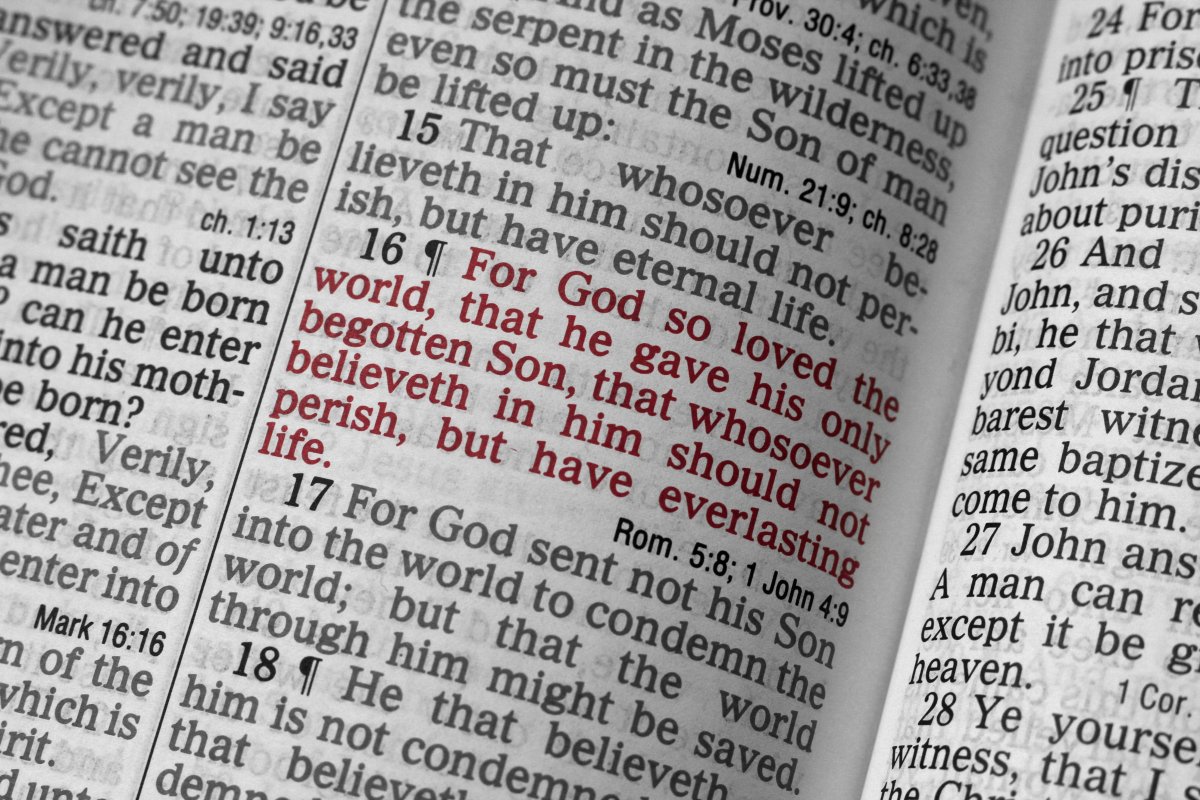
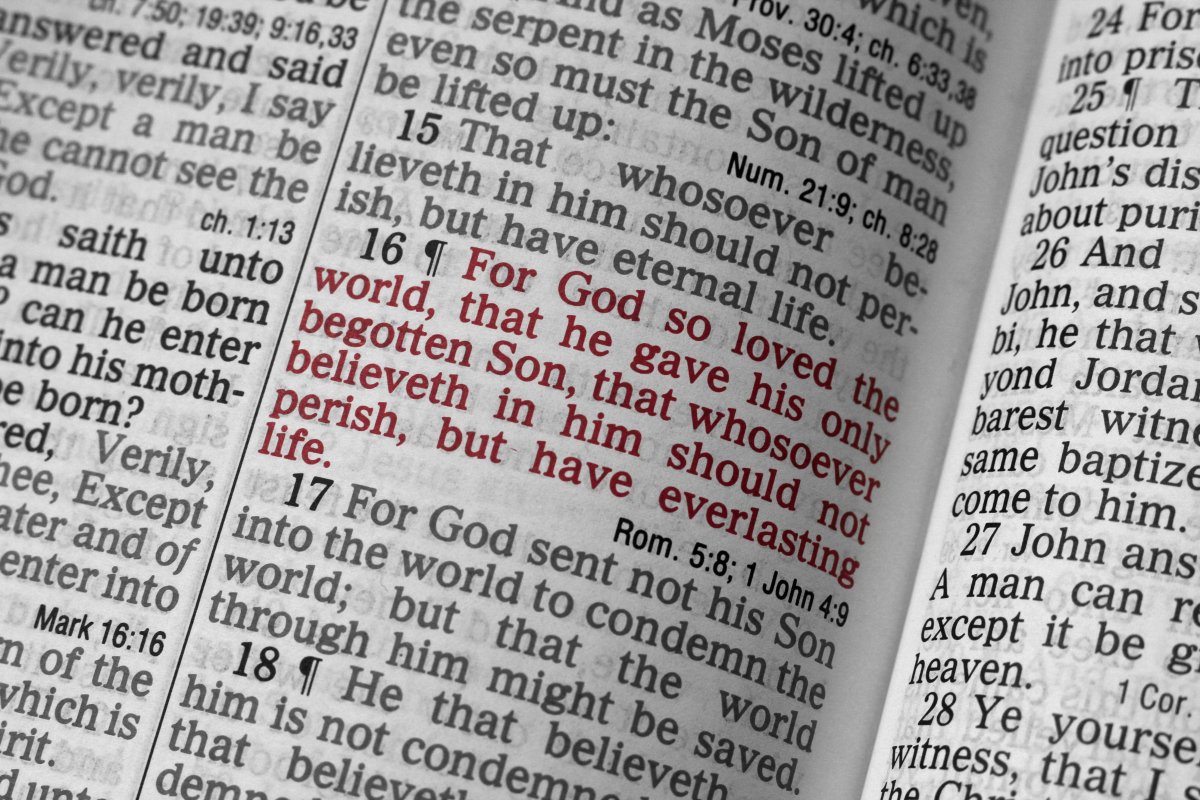
💬 0 Comments
Leave a Comment
Your email address will not be published. All comments are reviewed before appearing.