I. Introduction: The Most Important Word
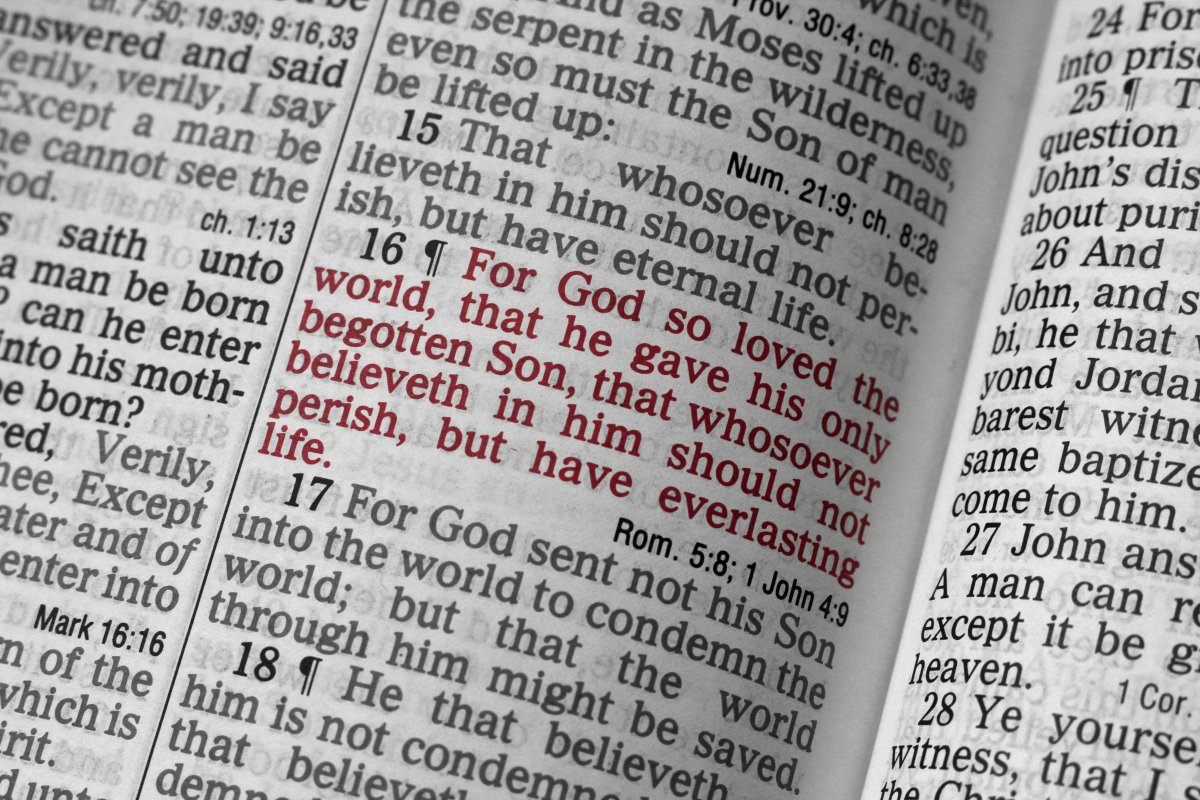
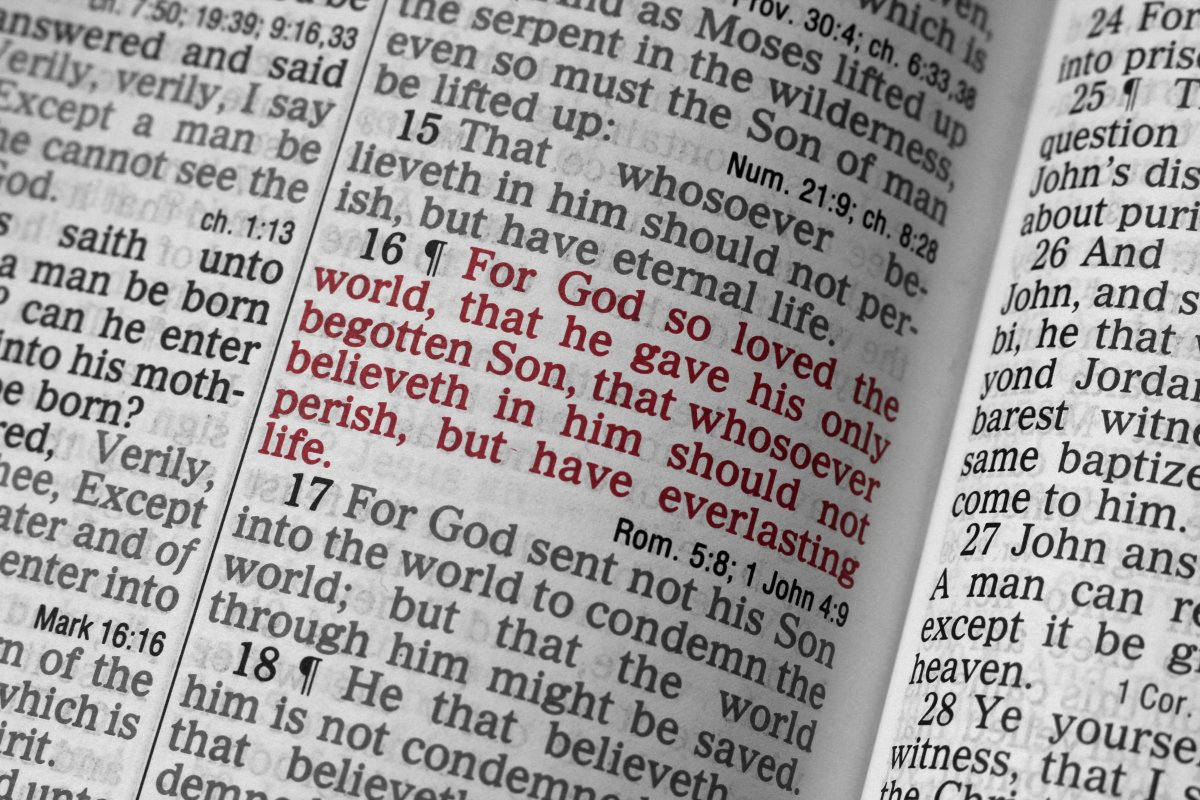
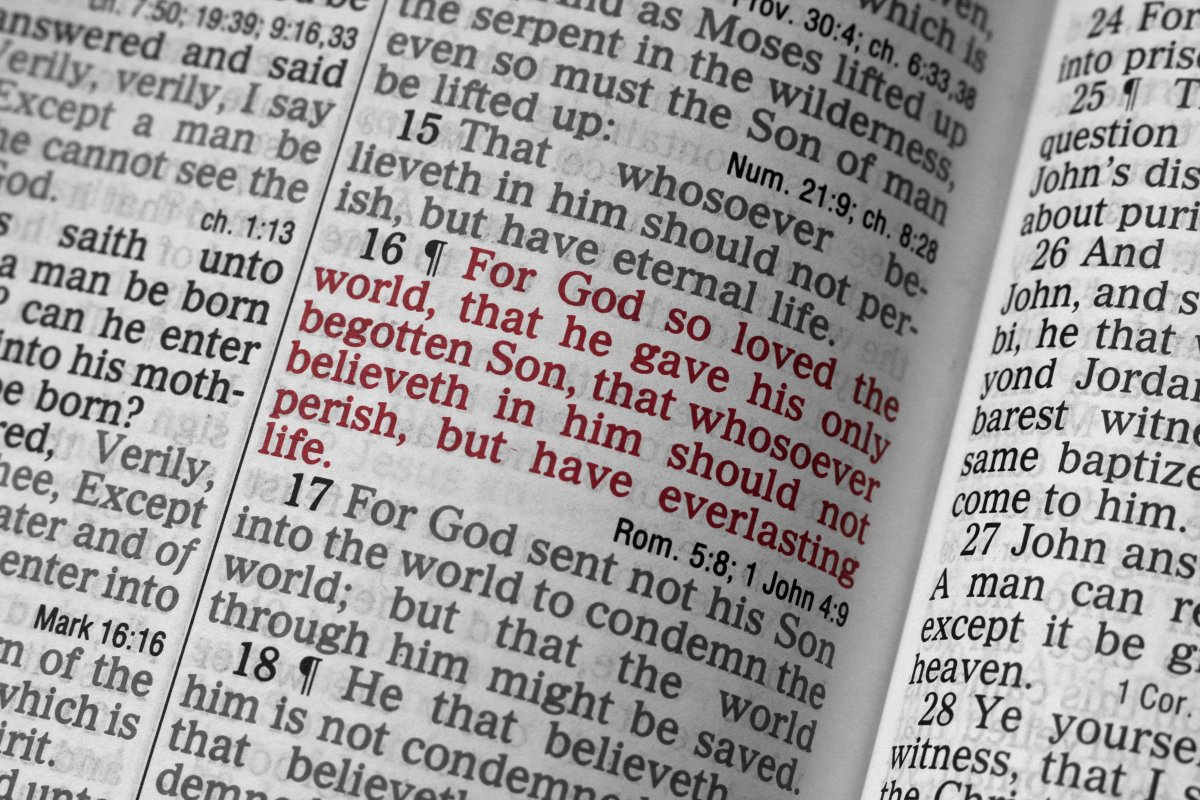
"Faith" is arguably the most important word in the Christian vocabulary. It is the sole condition for salvation, the key that unlocks the door to eternal life. Jesus said, "For God so loved the world, that He gave His only begotten Son, that whoever believes in Him shall not perish, but have eternal life" (John 3:16). Paul declared, "For by grace you have been saved through faith" (Ephesians 2:8). The entire history of the Reformation can be summed up in the phrase sola fide—"faith alone."
But what is faith? The word has become so common that it has lost its meaning. To many, "having faith" simply means being optimistic that things will work out. To others, it means believing in God's existence, a belief shared even by demons (James 2:19). To be saved, we must understand what the Bible means when it calls us to believe.
The Greek word for faith is pistis (πίστις). Its corresponding verb is pisteuō (πιστεύω), meaning "to believe" or "to trust." In the ancient world, this word was used in everyday life to describe the trust a person placed in someone or something that was considered reliable. It was a relational word, implying dependence and reliance. To understand biblical faith, we must see it as a cord of three strands, each essential to the whole.
II. The Anatomy of Faith: Knowledge, Assent, and Trust
Historically, theologians have identified three essential elements of saving faith. We must have all three.
Notitia (Knowledge): Faith requires content. You cannot trust someone you do not know. You cannot believe in a savior you have never heard of. This is why evangelism and preaching are essential (Romans 10:14). Saving faith is not a leap in the dark; it is a response to the light of God's revelation. It requires a basic understanding of who Jesus is and what He has done.
Assensus (Assent): Faith requires agreement. It is not enough to know the facts; one must affirm that the facts are true. A person can know the historical details of Jesus's life, death, and resurrection and yet not believe they actually happened. Assent is the mind saying, "Yes, this is true."
Fiducia (Trust): This is the heart of saving faith. It is not just knowing and agreeing; it is personally relying and resting upon Christ alone for salvation. It is the difference between knowing a chair can hold you (knowledge), believing that it will hold you (assent), and actually sitting in it (trust). It is the movement of the whole person—mind, heart, and will—throwing oneself upon the mercy of God in Christ.
III. Faith as the Gift of God: Ephesians 2:1-10
To understand faith, we must first understand the condition of the person who exercises it. We are not neutral parties who can simply decide to have faith. We are spiritually dead.
Scripture Breakdown: Ephesians 2:1-10 (NASB 1995)
Verses 1-3: "And you were dead in your trespasses and sins, in which you formerly walked according to the course of this world, according to the prince of the power of the air, of the spirit that is now working in the sons of disobedience. Among them we too all formerly lived in the lusts of our flesh, indulging the desires of the flesh and of the mind, and were by nature children of wrath, even as the rest."
Analysis:
Spiritual Death (v. 1): Paul does not say we were "sick" or "struggling" or "merely weakened" by sin. He uses the strongest possible word: "dead." This is not physical death, but spiritual death. It means we were completely incapable of responding to God. A dead person cannot hear, cannot see, cannot feel, and certainly cannot choose to make themselves alive. This is the total depravity of humanity—not that we are as evil as we could be, but that sin has affected every part of our being, leaving us spiritually powerless and unable to please God (Romans 8:7-8).
Enslavement (vv. 2-3): Paul describes the threefold bondage of the unsaved:
The World: We walked "according to the course of this world." The values, ideologies, and fashions of fallen human society shaped us.
The Flesh: We lived in "the lusts of our flesh." Our own fallen nature, with its desires and impulses, controlled us.
The Devil: We followed "the prince of the power of the air." We were, unknowingly, marching to the drumbeat of Satan himself.
By Nature Children of Wrath: Our condition was not just environmental; it was our very nature. And because of that nature, we were under the just condemnation of a holy God. This is the bad news that makes the good news so glorious.
Verses 4-6: "But God, being rich in mercy, because of His great love with which He loved us, even when we were dead in our transgressions, made us alive together with Christ (by grace you have been saved), and raised us up with Him, and seated us with Him in the heavenly places in Christ Jesus."
Analysis:
The Great Intervention: "But God." These two words are the most glorious turning point in all of human history. When we were dead, helpless, and condemned, God intervened.
The Motive: His action was not based on any foreseen faith or goodness in us. It was based solely on His own character: He is "rich in mercy" and has "great love."
The Action: He "made us alive together with Christ." This is regeneration (the new birth). He did for us spiritually what we could not do for ourselves. He imparted life to our dead souls.
The Union: Notice the repetition of "with Christ." Our salvation is not an isolated transaction; it is a vital union with the risen Lord. His death became our death; His life became our life; His resurrection guarantees our resurrection.
Verses 8-9: "For by grace you have been saved through faith; and that not of yourselves, it is the gift of God; not as a result of works, so that no one may boast."
Analysis: This is the classic text on the means of salvation.
Grace: This is the source of salvation. Grace is God's unmerited favor, His kindness toward those who deserve the opposite. It is the fountain from which all blessings flow.
Faith: This is the instrument or channel of salvation. It is the hand that receives the gift. Faith itself is not the savior; Christ is the Savior. Faith is simply the connection.
The Gift: The phrase "and that not of yourselves" is grammatically ambiguous in Greek. Does "that" refer to grace, faith, or the whole package of salvation? Theologically, the answer is all of the above. Salvation, from beginning to end, is a gift. Even the faith we exercise is not something we muster up from our fallen natures; it is a gift from God. He gives us the very ability to believe (see also Acts 13:48, Philippians 1:29). This eliminates all boasting. If salvation is entirely a gift, from the regeneration that enables faith to the faith itself, then we have nothing to boast about before God. Our only boast is in Christ.
IV. The Object of Faith: The Promise and the Person (Romans 4:13-25)
Saving faith is only as good as its object. Faith in a false promise is worthless. Paul uses Abraham, the "father of all who believe," to demonstrate that saving faith is faith in the God who keeps His promises, specifically the promise of justification through Christ.
Scripture Breakdown: Romans 4:13-25 (NASB 1995)
Verses 13-16: "For the promise to Abraham or to his descendants that he would be heir of the world was not through the Law, but through the righteousness of faith. For if those who are of the Law are heirs, faith is made void and the promise is nullified; for the Law brings about wrath, but where there is no law, there also is no violation. For this reason it is by faith, in order that it may be in accordance with grace, so that the promise will be guaranteed to all the descendants, not only to those who are of the Law, but also to those who are of the faith of Abraham, who is the father of us all."
Analysis: Paul argues that the promise to Abraham was always received by faith, not by law-keeping. If salvation depended on law-keeping, no one could be saved, because the law only reveals our sin and brings wrath. But because salvation is by faith, it is "in accordance with grace," and therefore the promise is "guaranteed." Faith rests on God's character, not our performance, which makes salvation certain.
Verses 17-21: "(as it is written, 'A FATHER OF MANY NATIONS HAVE I MADE YOU') in the presence of Him whom he believed, even God, who gives life to the dead and calls into being that which does not exist. In hope against hope he believed, so that he might become a father of many nations according to that which had been spoken, 'SO SHALL YOUR DESCENDANTS BE.' Without becoming weak in faith he contemplated his own body, now as good as dead since he was about a hundred years old, and the deadness of Sarah's womb; yet, with respect to the promise of God, he did not waver in unbelief but grew strong in faith, giving glory to God, and being fully assured that what God had promised, He was able also to perform."
Analysis: This is a magnificent portrait of saving faith.
The Character of God (v. 17): Abraham believed in a God who "gives life to the dead and calls into being that which does not exist." This is the God of resurrection and creation. Saving faith trusts in the God of the impossible.
The Struggle of Faith (vv. 18-19): "In hope against hope he believed." The situation was hopeless from a human perspective. His body was "as good as dead," and Sarah's womb was dead. True faith does not ignore reality; it faces the impossibilities honestly but then looks beyond them to God.
The Focus of Faith (vv. 20-21): Abraham did not "waver in unbelief" by fixating on the obstacles. Instead, he focused on "the promise of God." He grew strong in faith by contemplating the character of the Promise-Giver. He was "fully assured that what God had promised, He was able also to perform." The essence of faith is taking God at His word and trusting His ability to deliver.
Verses 22-25: "Therefore IT WAS ALSO CREDITED TO HIM AS RIGHTEOUSNESS. Now not for his sake only was it written that it was credited to him, but for our sake also, to whom it will be credited, as those who believe in Him who raised Jesus our Lord from the dead, He who was delivered over because of our transgressions, and was raised because of our justification."
Analysis: Paul makes the direct application. The God Abraham believed in is the same God we believe in—the God who raises the dead. Abraham believed God could give life to a dead womb; we believe God raised Jesus from a dead tomb. The object of our faith is the resurrected Christ, whose death was for our sins and whose resurrection is the proof that our justification is secure.
V. The Confession of Faith: Romans 10:5-17
Faith is not a silent, purely internal affair. It has a voice. It confesses.
Scripture Breakdown: Romans 10:5-17 (NASB 1995)
Verses 8-10: "But what does it say? 'THE WORD IS NEAR YOU, IN YOUR MOUTH AND IN YOUR HEART'—that is, the word of faith which we are preaching, that if you confess with your mouth Jesus as Lord, and believe in your heart that God raised Him from the dead, you will be saved; for with the heart a person believes, resulting in righteousness, and with the mouth he confesses, resulting in salvation."
Analysis:
Heart and Mouth (v. 8): Paul quotes Deuteronomy 30:14 to show that the message of faith is not distant or obscure. It is brought near in the gospel. It is to be both in the "heart" (the seat of belief) and in the "mouth" (the instrument of confession).
The Twofold Action (vv. 9-10): Paul pairs belief and confession.
Believe in Your Heart: The core of saving faith is inward, personal trust that God raised Jesus from the dead. This resurrection faith is faith in a living, victorious Lord, not a dead martyr.
Confess with Your Mouth: This inward faith naturally overflows into outward confession. To confess "Jesus as Lord" (Kyrios Iēsous) was the earliest Christian creed. In a world that cried, "Caesar is Lord," Christians declared a higher allegiance. This confession is public, costly, and identifying. It is the fruit and evidence of the faith in the heart. Verse 10 makes it clear: belief leads to justification; confession leads to (and is part of the experience of) salvation.
The Necessity of Preaching (vv. 13-17): Paul then asks a series of logical questions that establish the chain of salvation: calling, believing, hearing, preaching, and sending. The chain concludes in verse 17: "So faith comes from hearing, and hearing by the word of Christ." Faith is not generated by human intuition or willpower; it is created by the Spirit through the proclamation of the Word of God.
VI. The Evidence of Faith: The Relationship Between Faith and Works (James 2:14-26)
At first glance, James seems to contradict Paul. Paul says we are justified by faith apart from works (Romans 3:28). James says, "You see that a man is justified by works and not by faith alone" (James 2:24). This apparent tension has confused many. But when understood correctly, Paul and James are in perfect harmony, describing two different aspects of the same salvation.
Scripture Breakdown: James 2:14-26 (NASB 1995)
Verses 14-17: "What use is it, my brethren, if someone says he has faith but he has no works? Can that faith save him? If a brother or sister is without clothing and in need of daily food, and one of you says to them, 'Go in peace, be warmed and be filled,' and yet you do not give them what is necessary for their body, what use is that? Even so faith, if it has no works, is dead, being by itself."
Analysis: James is not arguing against Paul; he is arguing against those who misuse Paul's doctrine. He is confronting a person who "says" he has faith but has no works to show for it. James's point is that a faith that produces no change in life is not saving faith at all. It is a "dead" faith—a mere intellectual assent that is no better than the faith of demons (v. 19). The demons believe in God—they know He exists and they shudder—but they are not saved. Their belief is purely cognitive; it involves no trust, no love, no submission. True saving faith, because it unites us to Christ, will inevitably produce the fruit of good works.
Verses 21-24: "Was not Abraham our father justified by works when he offered up Isaac his son on the altar? You see that faith was working with his works, and as a result of the works, faith was perfected; and the Scripture was fulfilled which says, 'AND ABRAHAM BELIEVED GOD, AND IT WAS RECKONED TO HIM AS RIGHTEOUSNESS,' and he was called the friend of God. You see that a man is justified by works and not by faith alone."
Analysis: James uses the same example as Paul: Abraham. How do we reconcile this?
Two Senses of "Justified": Paul uses "justified" in the forensic, legal sense of being declared righteous before God. This happens the moment a person believes. James uses "justified" in the demonstrative sense of being shown to be righteous before others. Abraham's willingness to offer Isaac did not make him righteous before God; that happened decades earlier when he first believed (Genesis 15:6). Instead, his obedience demonstrated that his faith was genuine. It "perfected" or "completed" his faith by proving it was real.
The Relationship: Faith is the root; works are the fruit. Faith is the foundation; works are the building. Faith is the engine; works are the smoke. You cannot have the one without the other. As the Reformers put it, we are saved by faith alone, but the faith that saves is never alone. It is always accompanied by good works.
VII. Understanding the Doctrine: The Nature of Saving Faith
Based on the Scriptures, we can define saving faith as follows:
Saving faith is a saving grace, whereby we receive and rest upon Christ alone for salvation, as He is offered to us in the gospel. It consists of:
Knowledge (Notitia): Understanding the basic facts of the gospel: who Christ is and what He has done.
Assent (Assensus): Being convinced that these facts are true.
Trust (Fiducia): Personally relying on Christ alone for salvation, which includes a turning from self and sin (repentance).
Key Distinctions:
Temporary Faith vs. Saving Faith: The parable of the soils (Matthew 13) shows that some hear the word and receive it with joy, but it withers when tribulation comes. This is temporary faith—an emotional, intellectual response that has no root and therefore no lasting fruit. Saving faith endures, perseveres, and produces fruit.
Historical Faith vs. Saving Faith: One can believe that Jesus lived (historical faith) without trusting in Him as Lord and Savior. Demons have this kind of faith.
Miraculous Faith vs. Saving Faith: One can have faith to perform miracles (1 Corinthians 13:2) without having saving faith.
VIII. Practical Application: Living by Faith
Faith is not just the way we enter the Christian life; it is the way we live the Christian life. "The righteous man shall live by faith" (Romans 1:17).
For Personal Reflection (The "Faith Audit"):
Examine your faith in light of the three elements: Do you have a clear knowledge of the gospel? Do you firmly assent to its truth? Most importantly, are you personally trusting in Christ alone right now, or are you relying on your own goodness, religious performance, or moral efforts?
Consider an area of anxiety or fear in your life (finances, health, a relationship). In that area, are you living by faith—trusting in God's promises and character—or are you living by sight—relying on your own resources and worrying about outcomes? Practice "preaching the gospel to yourself" in that specific area.
For Further Discussion:
What is the difference between the faith that saves and the faith that demons have (James 2:19)?
If even our faith is a gift from God (Ephesians 2:8-9), how should that affect our humility and our assurance?
How do the good works in your life serve as evidence (to yourself and others) that your faith is genuine? Conversely, if there is a persistent absence of good works in an area of your life, what might that indicate about the reality of your faith there?
💬 0 Comments
Leave a Comment
Your email address will not be published. All comments are reviewed before appearing.