I. Introduction: The Most Misunderstood Miracle
When Jesus told Nicodemus, "You must be born again," He was not offering a suggestion for self-improvement or a metaphor for turning over a new leaf. He was declaring a non-negotiable spiritual necessity. To be "born again" (or "born from above") is to experience the most fundamental transformation a human being can undergo. It is more radical than any physical change, more profound than any psychological breakthrough. It is a new creation.
Yet, this great doctrine is often misunderstood. Some reduce it to a decision a person makes—as if being born again were something we do. Others confuse it with baptism or church membership. Still others equate it with any kind of religious experience or moral reformation. To understand the new birth, we must let Scripture define it. We will see that regeneration is exclusively the work of God, by which He imparts spiritual life to those who are spiritually dead, enabling them to see, enter, and believe in the kingdom of God.
The Greek word for regeneration is palingenesia (παλιγγενεσία), used in Titus 3:5, meaning "new birth" or "rebirth." The more common New Testament phrase is "born again" or "born of God" (gennaō anōthen), used repeatedly by John. The concept, however, runs throughout all of Scripture, from the promise of a new heart in Ezekiel to the declaration of the new creation in Paul.
II. The Necessity of the New Birth: Jesus and Nicodemus (John 3:1-21)
The most extended teaching on regeneration comes from Jesus Himself, in His nighttime conversation with Nicodemus, a ruler of the Jews.
Scripture Breakdown: John 3:1-21 (NASB 1995)
Verses 1-2: "Now there was a man of the Pharisees, named Nicodemus, a ruler of the Jews; this man came to Jesus by night and said to Him, 'Rabbi, we know that You have come from God as a teacher; for no one can do these signs that You do unless God is with him.'"
Analysis: Nicodemus represents the best that fallen humanity can produce. He was:
A Pharisee: The most religiously devout sect of Judaism. He tithed meticulously, fasted regularly, and studied Scripture intensely. If anyone could be saved by religious effort, it would be Nicodemus.
A Ruler of the Jews: A member of the Sanhedrin, the ruling council. He was respected, educated, and powerful.
Sincere: He came to Jesus, acknowledging His divine mission.
Yet, for all his religious credentials, Nicodemus was missing the one thing necessary. He came at night, perhaps afraid of his peers, symbolizing his spiritual darkness.
Verse 3: "Jesus answered and said to him, 'Truly, truly, I say to you, unless one is born again he cannot see the kingdom of God.'"
Analysis: Jesus ignores Nicodemus's polite preamble and goes directly to the heart. He uses the double "amen" ("Truly, truly") to emphasize the absolute importance of what He is about to say.
"Unless one is born again": Jesus presents a universal, absolute condition. It is not "unless a Jew" or "unless a Pharisee" or "unless a morally upright person." It is "unless one"—every single human being without exception. The word translated "again" (anōthen) can also mean "from above." Both meanings are likely intended. The new birth is both a second birth (a new beginning) and a birth from above (a divine origin).
"He cannot see the kingdom of God": This is a statement of absolute inability. "Cannot" means just that—no possibility. Without the new birth, a person is spiritually blind to the reality of God's kingdom. They may be able to discuss it intellectually, but they cannot see it—they cannot perceive its beauty, its value, or its truth. The kingdom is invisible to the unregenerate eye.
Verse 4: "Nicodemus said to Him, 'How can a man be born when he is old? He cannot enter a second time into his mother's womb and be born, can he?'"
Analysis: Nicodemus's confusion is revealing. He thinks only in physical, natural categories. He represents the natural man who does not understand the things of the Spirit (1 Corinthians 2:14). His question shows that the new birth is a mystery beyond human comprehension.
Verses 5-8: "Jesus answered, 'Truly, truly, I say to you, unless one is born of water and the Spirit he cannot enter into the kingdom of God. That which is born of the flesh is flesh, and that which is born of the Spirit is spirit. Do not be amazed that I said to you, "You must be born again." The wind blows where it wishes and you hear the sound of it, but do not know where it comes from and where it is going; so is everyone who is born of the Spirit.'"
Analysis: Jesus explains the nature and agency of the new birth.
Born of Water and the Spirit (v. 5): The meaning of "water" here has been debated. It likely refers to the cleansing work of the Spirit promised in the Old Testament (Ezekiel 36:25-27). "Water" symbolizes the purifying aspect of regeneration; "Spirit" symbolizes the life-giving aspect. Together, they point to the complete spiritual renewal that God alone accomplishes. Some also see a reference to baptism, not as the cause of regeneration, but as its outward sign and seal.
Flesh and Spirit (v. 6): Jesus establishes a fundamental principle: "That which is born of the flesh is flesh." Human parents can only produce human offspring. No amount of religious training, moral education, or human effort can produce spiritual life. "Flesh" (human nature in its fallen state) can only produce "flesh." Spiritual life ("spirit") can only come from the Spirit of God. This is why the new birth is absolutely necessary.
The Sovereignty of the Spirit (v. 8): Jesus compares the Spirit to the wind. The Greek word pneuma means both "wind" and "spirit." The wind is sovereign and mysterious. It blows "where it wishes." We cannot control it, predict it, or manufacture it. We only see its effects. So it is with everyone born of the Spirit. Regeneration is a sovereign act of God. The Spirit works when, where, and how He wills. We cannot manipulate or command Him. We only see the evidence of His work in changed lives.
Verses 9-13: "Nicodemus said to Him, 'How can these things be?' Jesus answered and said to him, 'Are you the teacher of Israel and do not understand these things? Truly, truly, I say to you, we speak of what we know and testify of what we have seen, and you do not accept our testimony. If I told you earthly things and you do not believe, how will you believe if I tell you heavenly things? No one has ascended into heaven, but He who descended from heaven: the Son of Man.'"
Analysis: Jesus gently rebukes Nicodemus. As a teacher of Israel, he should have understood the Old Testament prophecies about the new heart and the outpouring of the Spirit (Ezekiel 11:19; 36:26; Joel 2:28). The new birth was not a completely new concept; it was the fulfillment of God's ancient promises. Jesus then asserts His unique authority to teach these things: He is the One who came from heaven, the only One who has seen the Father and can reveal Him.
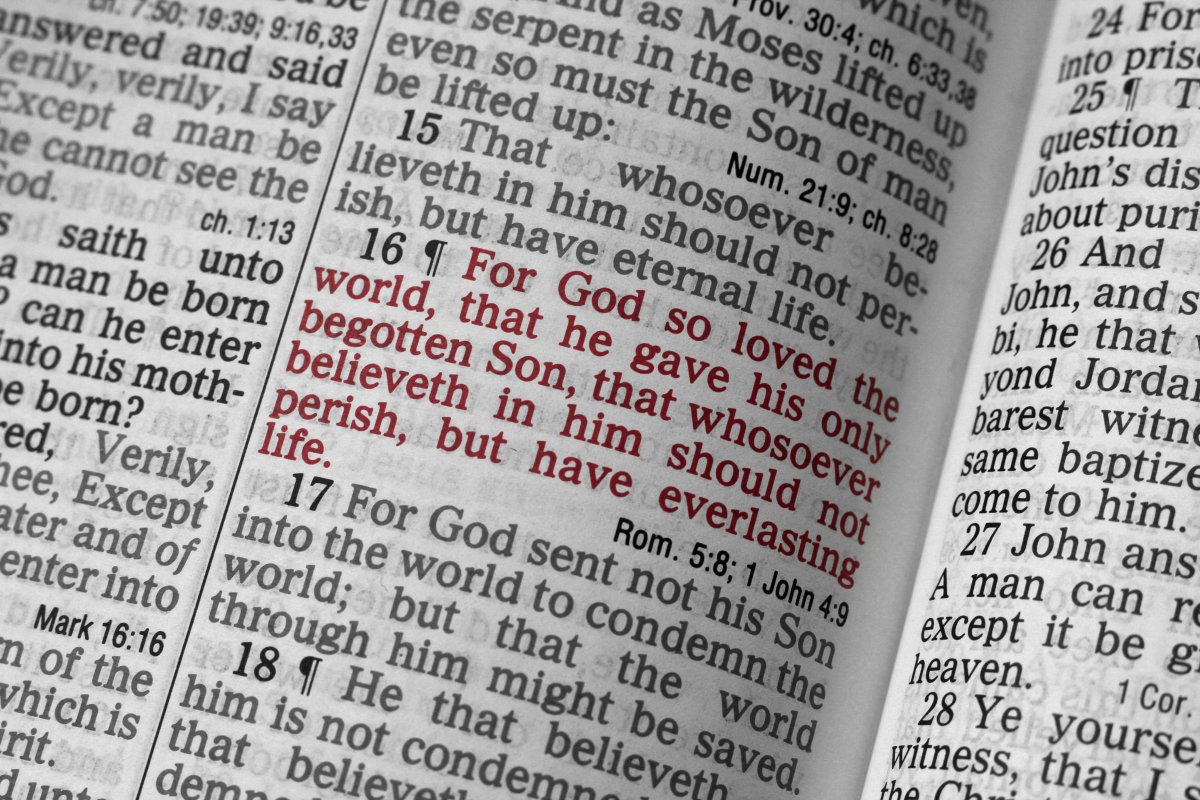
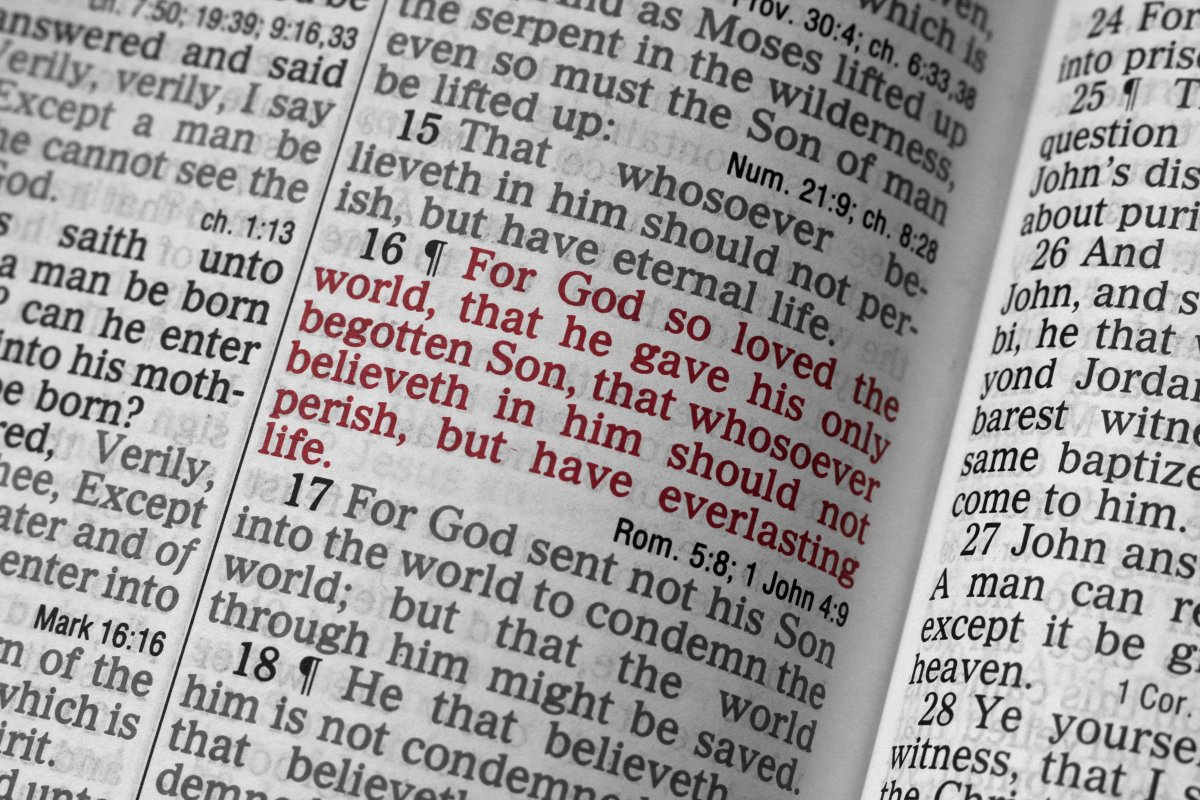
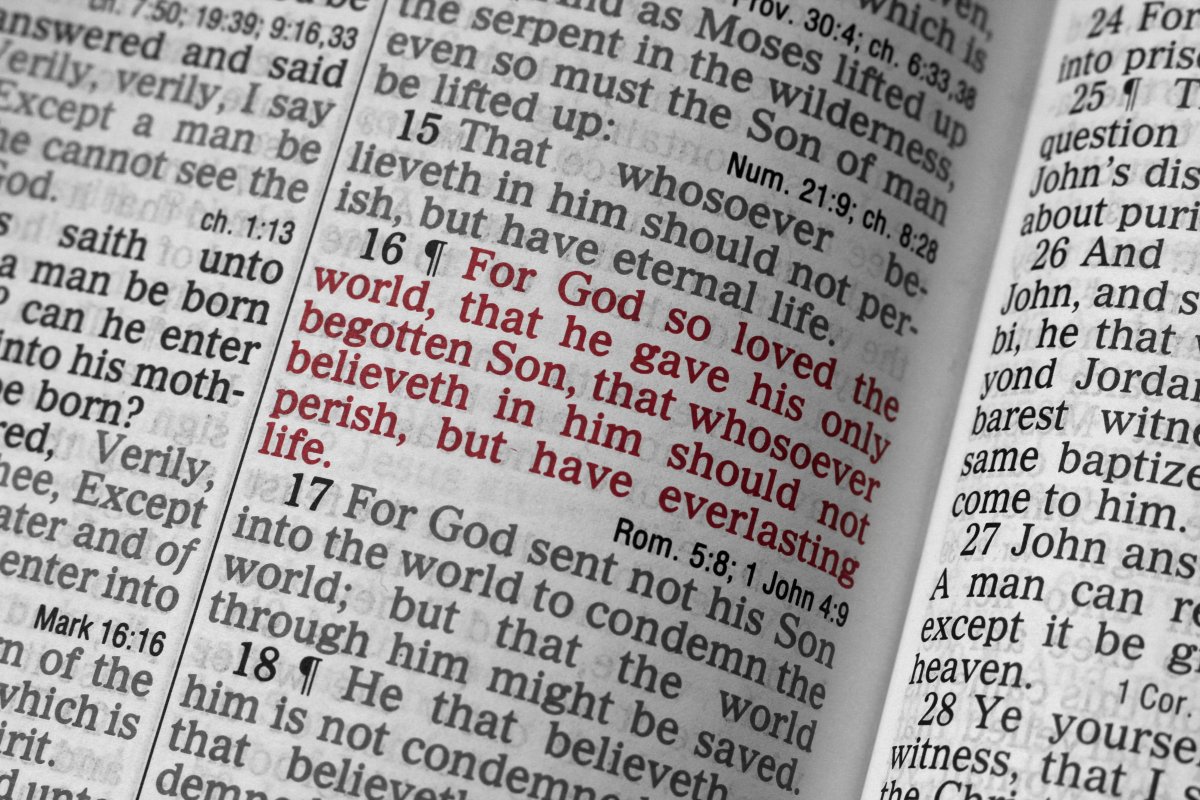
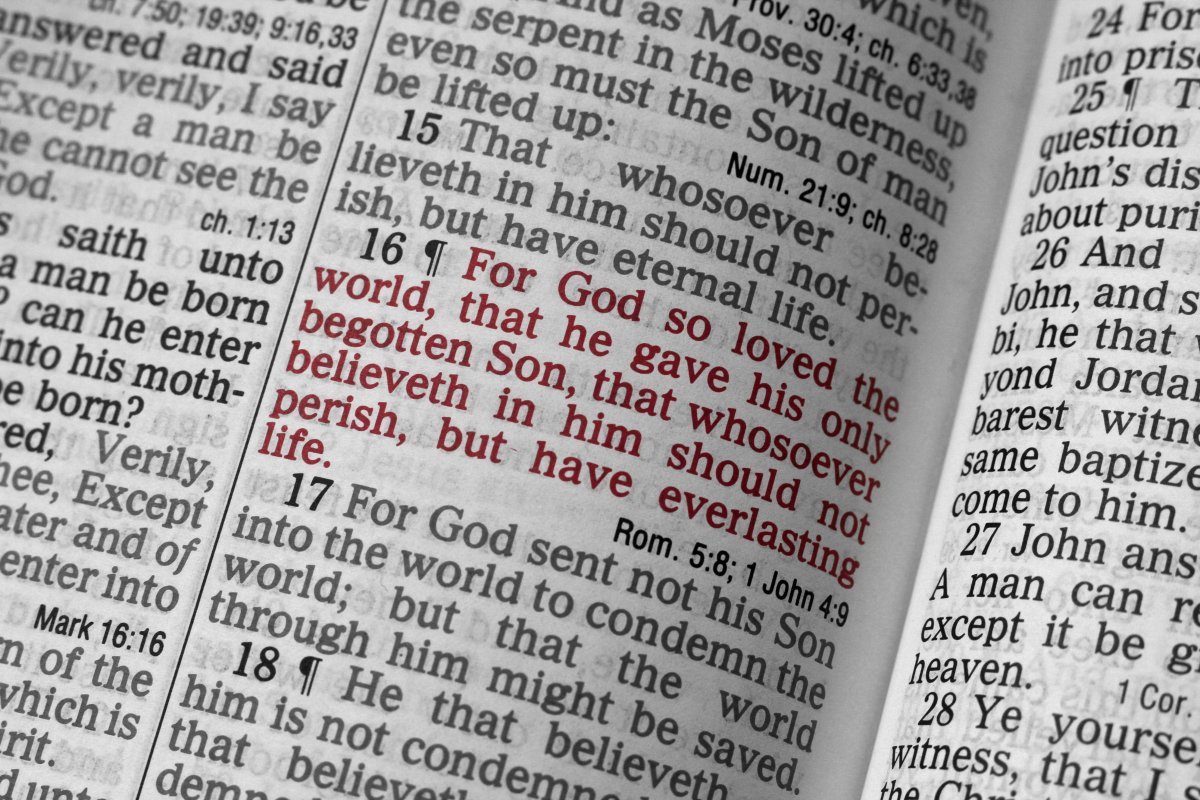
Verses 14-16: "As Moses lifted up the serpent in the wilderness, even so must the Son of Man be lifted up; so that whoever believes in Him will have eternal life. For God so loved the world, that He gave His only begotten Son, that whoever believes in Him shall not perish, but have eternal life."
Analysis: Jesus connects the new birth to faith in His atoning work.
The Bronze Serpent (v. 14): In Numbers 21, the Israelites were dying from serpent bites. God told Moses to lift up a bronze serpent on a pole, and whoever looked at it lived. The looking did not heal them; God healed them in response to their looking. Similarly, Jesus would be "lifted up" on the cross. The new birth enables us to "look" to Him in faith, and that faith results in eternal life. Regeneration precedes and enables saving faith. A dead person cannot look. God makes us alive, and then, as living people, we look to Christ and are saved.
III. The Old Testament Promise: The New Heart (Ezekiel 36:24-27)
The new birth is not a New Testament invention. It was prophesied centuries before Christ as the climax of God's covenant promises.
Scripture Breakdown: Ezekiel 36:24-27 (NASB 1995)
Verses 24-25: "For I will take you from the nations, gather you from all the lands and bring you into your own land. Then I will sprinkle clean water on you, and you will be clean; I will cleanse you from all your filthiness and from all your idols."
Analysis: God promises a future restoration. The "sprinkling of clean water" is a metaphor for spiritual cleansing. It speaks of the removal of guilt, defilement, and the pollution of sin. This is the "water" aspect of the new birth Jesus mentioned.
Verses 26-27: "Moreover, I will give you a new heart and put a new spirit within you; and I will remove the heart of stone from your flesh and give you a heart of flesh. I will put My Spirit within you and cause you to walk in My statutes, and you will be careful to observe My ordinances."
Analysis: This is one of the most profound passages on regeneration in all of Scripture. Notice the divine pronouns: "I will" appears four times. This is entirely God's work.
A New Heart (v. 26): The heart, in Scripture, is the control center of a person—the seat of the will, intellect, and emotions. A "heart of stone" is hard, unresponsive, dead to God. It cannot feel, cannot respond, cannot love. God promises to surgically remove that stony heart and replace it with a "heart of flesh"—a living, responsive, sensitive heart that can know and love Him.
God's Spirit Within (v. 27): This is the climax. God does not just give us a new capacity; He gives us Himself. He puts His Spirit within us. The Holy Spirit takes up residence in the believer, becoming the source of new desires, new power, and new obedience.
The Result: A Changed Life (v. 27): The Spirit does not leave us passive. He actively "causes" us to walk in God's statutes. This is not coercion but divine enabling. The new heart desires what God desires, and the Spirit empowers us to do it. Regeneration inevitably leads to a changed life. We "will be careful to observe" God's ordinances, not to be saved, but because we are saved.
IV. The Washing of Regeneration: Titus 3:3-7
Paul summarizes the doctrine of regeneration in a beautiful, compact passage.
Scripture Breakdown: Titus 3:3-7 (NASB 1995)
Verse 3: "For we also once were foolish ourselves, disobedient, deceived, enslaved to various lusts and pleasures, spending our life in malice and envy, hateful, hating one another."
Analysis: Paul begins with a reminder of our pre-regenerate state. It is a dark catalog of sin: foolish, disobedient, deceived, enslaved, hateful. This is not just "their" past; it is "our" past. This humbles us and magnifies the grace that saved us.
Verses 4-5: "But when the kindness of God our Savior and His love for mankind appeared, He saved us, not on the basis of deeds which we have done in righteousness, but according to His mercy, by the washing of regeneration and renewing by the Holy Spirit."
Analysis:
The Appearance of Kindness and Love (v. 4): The "when" refers to the coming of Christ. In His incarnation, life, death, and resurrection, the kindness and love of God were visibly manifested.
The Ground of Salvation (v. 5a): "Not on the basis of deeds which we have done in righteousness." This eliminates all human merit. Our good deeds, our religious observances, our moral efforts—none of these were the basis for God saving us. The basis was solely "His mercy." God looked upon our wretched, helpless state and had compassion.
The Means of Salvation (v. 5b): "By the washing of regeneration and renewing by the Holy Spirit." This is the definitive biblical phrase. "Regeneration" (palingenesia) is the new birth, the impartation of new life. "Washing" (loutron) likely refers to the cleansing that accompanies this new birth. The "renewing by the Holy Spirit" emphasizes that this is not a one-time past event but an ongoing work of the Spirit that continues to transform us.
Verses 6-7: "whom He poured out upon us richly through Jesus Christ our Savior, so that being justified by His grace we would be made heirs according to the hope of eternal life."
Analysis: The Spirit is poured out "richly" (abundantly, generously) through Christ. The purpose of this whole work—regeneration, renewal, justification—is to make us "heirs." We are not just servants or forgiven criminals; we are children with an inheritance: eternal life.
V. Born Again to a Living Hope: 1 Peter 1:3-9, 22-25
Peter opens his first letter with a doxology that celebrates the new birth and its implications.
Scripture Breakdown: 1 Peter 1:3-5 (NASB 1995)
Verse 3: "Blessed be the God and Father of our Lord Jesus Christ, who according to His great mercy has caused us to be born again to a living hope through the resurrection of Jesus Christ from the dead."
Analysis: Peter attributes the new birth directly to God ("has caused us to be born again"). It is "according to His great mercy," not our deserving. The result is "a living hope"—a hope that is alive, certain, and enduring, because it is anchored in the resurrected Christ. Our new birth is connected to His resurrection. Because He lives, we who are born again have a living hope.
Verses 4-5: "to obtain an inheritance which is imperishable and undefiled and will not fade away, reserved in heaven for you, who are protected by the power of God through faith for a salvation ready to be revealed in the last time."
Analysis: The new birth secures for us a double security:
The Inheritance is Reserved: Our salvation is kept safe in heaven. It cannot be corrupted ("imperishable"), defiled, or diminished. It is absolutely secure because it is in God's keeping.
We are Protected: We are "protected by the power of God through faith." God's power is the agent of our preservation; faith is the means by which we experience it. We are kept safe for a salvation that will be fully revealed at the last day.
Scripture Breakdown: 1 Peter 1:22-25
Verses 22-23: "Since you have in obedience to the truth purified your souls for a sincere love of the brethren, fervently love one another from the heart, for you have been born again not of corruptible seed but of incorruptible, through the living and enduring word of God."
Analysis: Peter gives the evidence of the new birth and its means.
The Evidence (v. 22): Obedience to the truth and sincere love for fellow believers are the expected outcomes of regeneration. They are not the cause but the evidence.
The Means (v. 23): We are born again "through the living and enduring word of God." The Word is the instrument the Spirit uses to impart life. As James puts it, God "brought us forth by the word of truth" (James 1:18). The "seed" is incorruptible—it produces eternal life that can never die. The Word is not a dead letter; it is living and active (Hebrews 4:12), carrying within it the power to create new life.
VI. The Evidence of the New Birth: 1 John 2:28-3:10
John's first epistle is written to give believers assurance of their salvation. He provides several "tests" by which we can know if we have been born of God.
Scripture Breakdown: 1 John 2:28-3:10 (NASB 1995)
1 John 2:29: "If you know that He is righteous, you know that everyone also who practices righteousness is born of Him."
Analysis: John's logic is simple: a child bears the family resemblance. If God is righteous, then those who are born of Him will practice righteousness. This does not mean they are sinless, but righteousness is the pattern and direction of their lives. A life of unrepentant, habitual sin is incompatible with being born of God.
1 John 3:9: "No one who is born of God practices sin, because His seed abides in him; and he cannot sin, because he is born of God."
Analysis: This verse has troubled many. Does it mean a Christian can never sin? The context makes it clear. The Greek verbs for "practices sin" are in the present tense, indicating continuous, habitual, unrepentant sin as a lifestyle. The "seed" is the life of God, the new nature imparted in regeneration. This new nature cannot live in a state of sin. Therefore, the one who is born of God "cannot sin" in the sense that he cannot continue in sin as his settled way of life. When he does sin, it is a anomaly, a contradiction of his new nature, which he immediately confesses and forsakes (1 John 1:9).
1 John 3:10: "By this the children of God and the children of the devil are obvious: anyone who does not practice righteousness is not of God, nor the one who does not love his brother."
Analysis: John draws a sharp line. The new birth creates a fundamental change of identity. The children of God are "obvious" by their righteousness and their love. The absence of these things calls into question whether one has truly been born again.
VII. The New Creation: 2 Corinthians 5:14-17
Paul sums up the radical nature of regeneration with the concept of the "new creation."
Scripture Breakdown: 2 Corinthians 5:14-17 (NASB 1995)
Verses 14-15: "For the love of Christ controls us, having concluded this, that one died for all, therefore all died; and He died for all, so that they who live might no longer live for themselves, but for Him who died and rose again on their behalf."
Analysis: The love of Christ is the motive for the Christian life. His death is understood as a representative death. When He died, all who are in Him died with Him. The result is a new orientation: we no longer live for ourselves, but for Christ.
Verse 16: "Therefore from now on we recognize no one according to the flesh; even though we have known Christ according to the flesh, yet now we know Him in this way no longer."
Analysis: Regeneration changes how we see everything. We no longer evaluate people by worldly standards—status, wealth, ethnicity. We see them in light of Christ. Even our understanding of Christ is transformed. We no longer see Him as just a historical teacher; we see Him as the risen, exalted Lord.
Verse 17: "Therefore if anyone is in Christ, he is a new creature; the old things passed away; behold, new things have come."
Analysis: This is the definitive statement. To be "in Christ" is to be united to Him by faith, a union made possible by the new birth. The result is that we are a "new creature" or "new creation" (kainē ktisis). This is not just an improvement or a renovation. It is a new act of creation, as radical as the original creation of the universe. The "old things"—the old ruling principles, the old loves, the old identity—have passed away. They have not been merely painted over; they have been replaced. "Behold, new things have come." This is the reality of the one who has been born again.
VIII. Understanding the Doctrine: The Nature of Regeneration
Based on the Scriptures, we can define regeneration as follows:
Regeneration is the act of God by which He imparts new spiritual life to a spiritually dead sinner, renewing his heart and enabling him to repent and believe in Christ for salvation.
Key Characteristics of Regeneration:
It is Monergistic (the work of one): It is solely the work of God. The sinner contributes nothing to it, just as an infant contributes nothing to its own physical birth. It is "not of blood nor of the will of the flesh nor of the will of man, but of God" (John 1:13). It is a creative act of God.
It is Instantaneous: Regeneration is not a process; it is a moment. It is the instant when spiritual life begins. The effects (sanctification) are a lifelong process, but the new birth itself happens in an instant.
It is Permanent: The life given in regeneration is eternal life. It cannot be lost. As Peter says, we are born again "not of corruptible seed but of incorruptible" (1 Peter 1:23). The new birth produces a life that will never die.
It is Supernatural: It is not the result of human decision, moral influence, or religious ritual. It is a direct, supernatural act of the Holy Spirit.
It is Evidential: While the new birth itself is invisible, its effects are visible. A changed life, a love for God, a desire for holiness, and a faith in Christ are all evidences that one has been born again.
The Order of Salvation (Ordo Salutis):
In the logical order of salvation, regeneration precedes faith. A dead person cannot believe. God must first make us alive, and then, as living people, we exercise faith in Christ. This is why regeneration is sometimes called "effectual calling"—it is God's powerful call that creates the response it commands.
IX. Practical Application: Living as Those Born Again
The doctrine of regeneration is not meant for abstract speculation but for practical godliness and deep assurance.
For Personal Reflection (The "New Creation" Inventory):
Read 2 Corinthians 5:17 slowly. Ask yourself: Is there evidence in my life that I am a "new creature"? Are there "old things" that have genuinely passed away (old habits, old attitudes, old loves)? Are there "new things" that have come (new desires, new loves, new priorities)?
If you struggle with assurance, do not look inward for a feeling. Look for the evidence of the Spirit's work. Do you love the brethren? Do you have a hatred for sin? Do you desire God's Word? These are the "family resemblances" of those born of God.
If you are troubled by remaining sin, remember that the "seed" of God abides in you (1 John 3:9). The new nature is at war with the old flesh (Galatians 5:17). The presence of the conflict is itself evidence of life. Dead men do not fight.
For Further Discussion:
If regeneration is solely God's work, what does this imply about our evangelism? Should we be discouraged when people do not respond? Should we be proud when they do?
How does understanding that you have been "born again" change the way you view your own identity? You are not merely a forgiven sinner; you are a new creation.
How does the promise of a "new heart" from Ezekiel 36 give you hope for continued growth and change in your life?
💬 0 Comments
Leave a Comment
Your email address will not be published. All comments are reviewed before appearing.